


Animal Chatter
by Iris Winston
For thousands of years, homing pigeons have flown thousands of miles to return to their lofts.
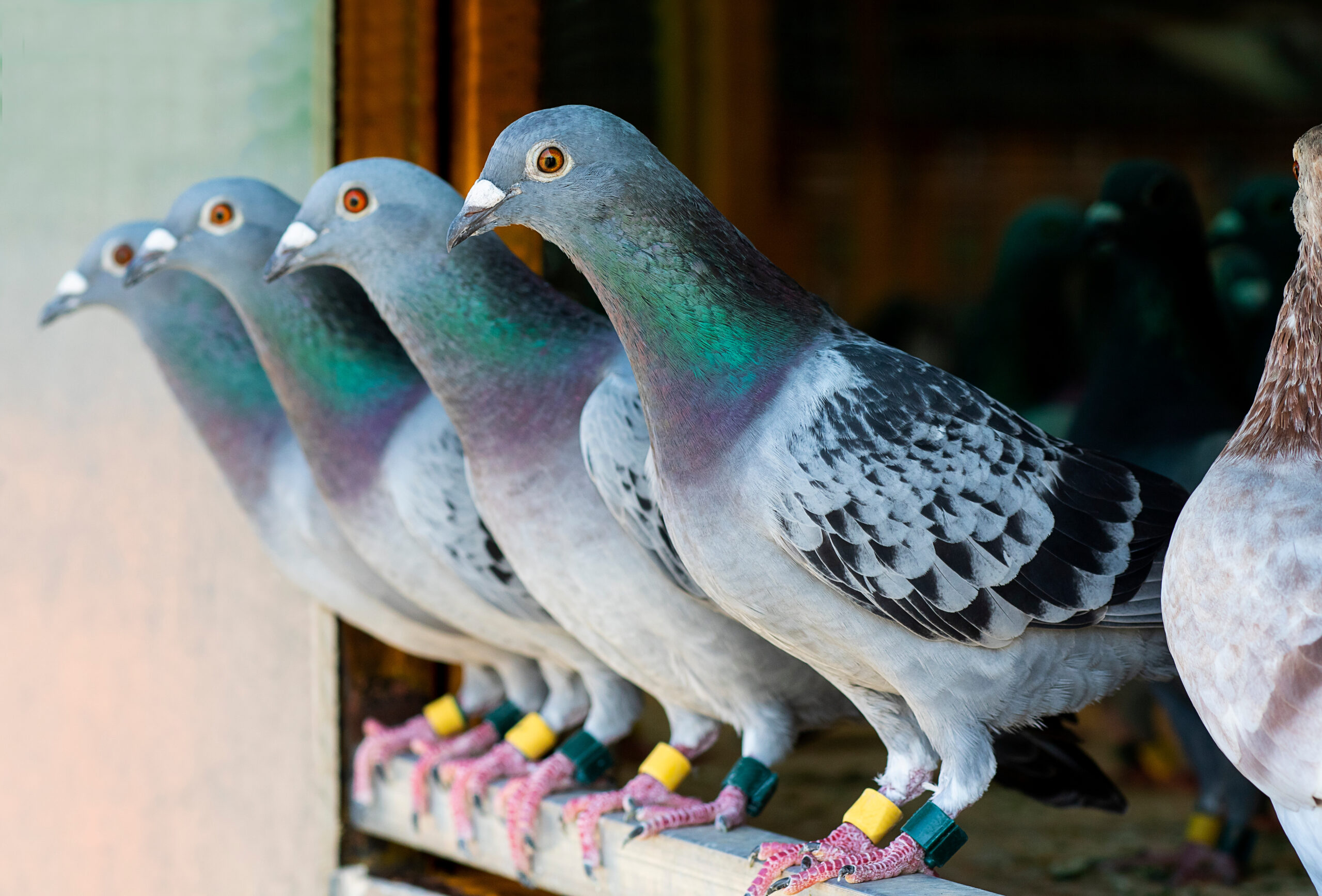 During both World Wars, homing (carrier) pigeons were used extensively in military communication. They delivered messages across enemy lines quickly and reliably. A number, such as Cher Ami and The Messenger, were particularly celebrated for their heroism.
The legendary Cher Ami served with the 77th Division of the U.S. army during the First World War. In October 1918, the unit was trapped behind enemy lines and was in desperate need of medical help and reinforcements. Cher Ami’s mission was to take the urgent call for help to home base. Despite facing severe injuries from shrapnel and extreme weather conditions, the bird completed his flight. In so doing, he saved the 200 men in the unit. He was awarded the French Croix de Guerre for his heroism.
The Messenger played a similarly heroic role during the Second World War while he was stationed with a rescue team of the British Royal Air Force. In the midst of a German air raid on London in 1943, The Messenger’s flights in carrying messages between the rescue team and headquarters ensured crucial communication between the two. The pigeon was credited with saving the lives of the many individuals trapped under debris during the raid.
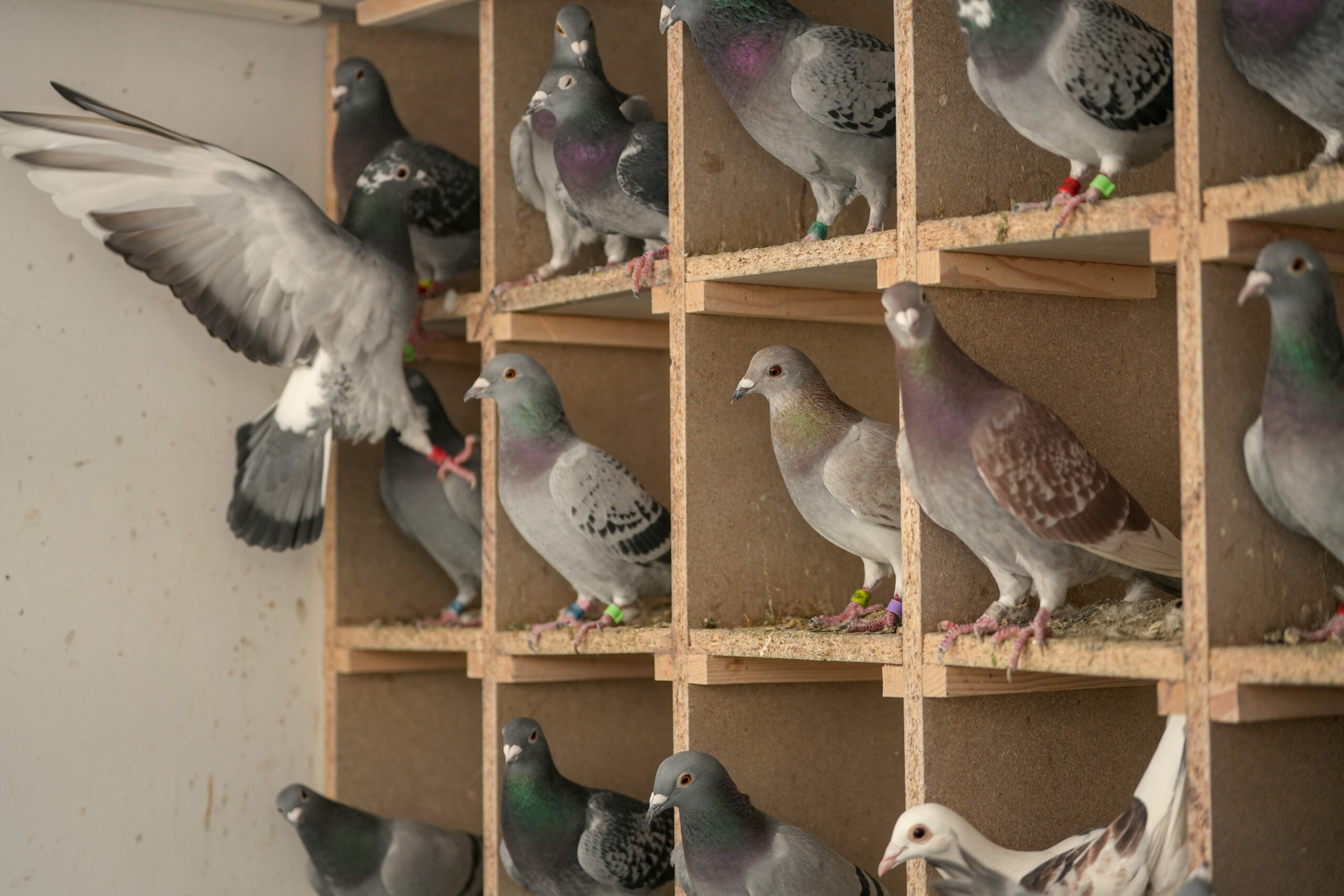 Pigeons were also used to deliver messages much earlier, as far back as 3,000 years ago. In ancient Greece, for instance, they transported information about the Olympic Games. There is some evidence of pigeon messaging in ancient Egypt. Genghis Khan used pigeons to contact remote parts of his empire in the 12th century.
More recently, reporters on some North American newspapers in the 19th century used carrier pigeons to deliver information received from ships arriving from Europe to port cities, such as Halifax, to their head offices. Police departments in eastern India were still using pigeons in emergency situations and remote areas in this century.
Pigeon racing also remains popular among enthusiasts, such as Almonte resident Bert Elsner, who bred racing pigeons for close to 50 years and still keeps pigeons and other birds on his property. Currently, 5,000 racers and 101 clubs exist in Canada. (Check the Canadian Racing Pigeon Union www.crpu.ca.) Racers are specially bred and trained for the sport. They are judged on their speed and accuracy in returning home.
Although carrier pigeons generally take messages—usually in capsules attached to their legs—in one direction only, that is homewards, they can be trained to make round trips if food is placed in another location, for relatively short round trips of up to 150 km.
There are a number of theories on how the pigeons find their way home, says Bert. He always began training selectively bred young birds by releasing them from their home lofts for short periods to get them used to their surroundings, then extending the time as they grew more comfortable. Establishing a regular routine of short flights close to home and offering rewards of food and water when they arrived reinforced the homing habit.
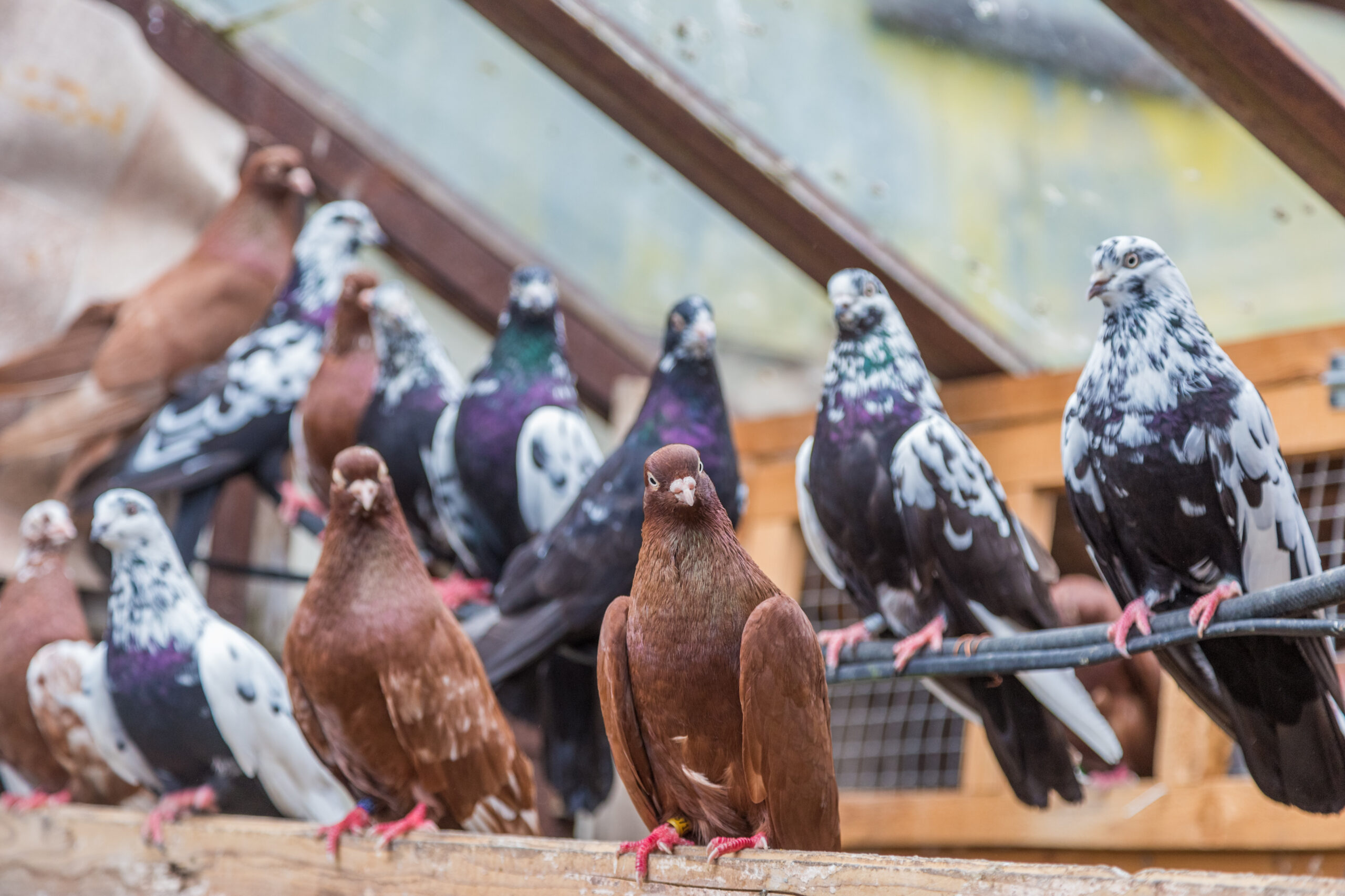
On long flights, the birds’ navigational skills and homing ability are astounding. Researchers speak of a “map and compass” model. The compass is for orientation, and the map is to pinpoint their location in association with the home loft.
Some researchers suggest that specialized cells in the pigeons’ beaks help them to sense the Earth’s magnetic field and so orient them as they fly. (This fits in with the observation that homing pigeons seem to be particularly accurate when flying north/south rather than east/west, in accord with the natural direction of the magnetic fields between the North and South Poles.) The birds also use such environmental cues as urban buildings or natural landmarks along the way. They note the position of the sun and employ their keen sense of smell on the outward journey to guide them home—perhaps for a long-distance flight of 1,500 km or more.
Almonte, Ontario, writer Iris Winston is a former executive director of the Canadian Federation of Humane Societies. She has been an animal lover all her life. Her pets have always been important members of her family.