


CARP working group is advocating for positive change
The time had come. My mother, who had lived alone in our family home for over 50 years, was no longer able to do so safely. Her care needs had increased, and recent falls made it clear that something had to change. It was time to consider long-term care.
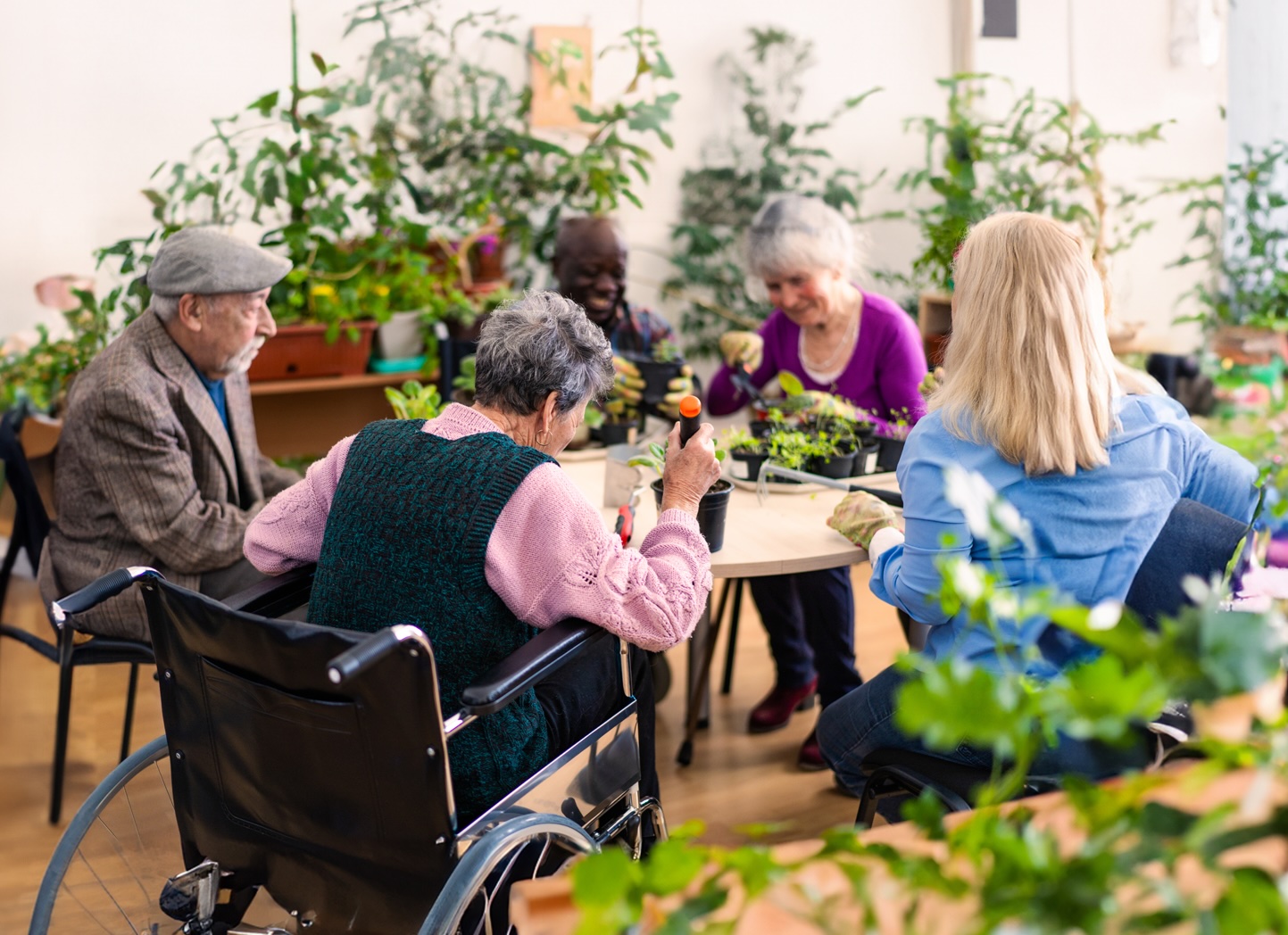 My mother raised two daughters and lived a full, vibrant life. She was social, loved gardening, and music was at the heart of who she was. She played the piano, sang in choirs, and our home was always filled with song. She baked the best chocolate chip cookies, and our house was also full of laughter, the occasional argument, and, above all, love and connection.
We didn’t want to move her into a place where she would simply be “looked after.” We wanted her to feel welcomed, safe and happy—to feel at home.
So, we began visiting long-term care homes.
Home A was a three-storey brick building with gardens around the foundation. Each floor had 32 beds. Our first impression was of long, dark hallways lined with laundry and medication carts. There was little activity. Residents were either in bed or sitting quietly, often alone, looking out their windows. A large dining room held tables for four. Staff appeared pleasant and professional but rushed—focused on completing tasks. It looked and felt like a hospital.
Home B was also a three-storey brick building, with gardens out front. Each floor had 32 beds, but they were divided into two smaller, 16-resident areas. Each resident area included a cozy living room and a kitchen with a large table. Bedrooms were arranged around these shared spaces.
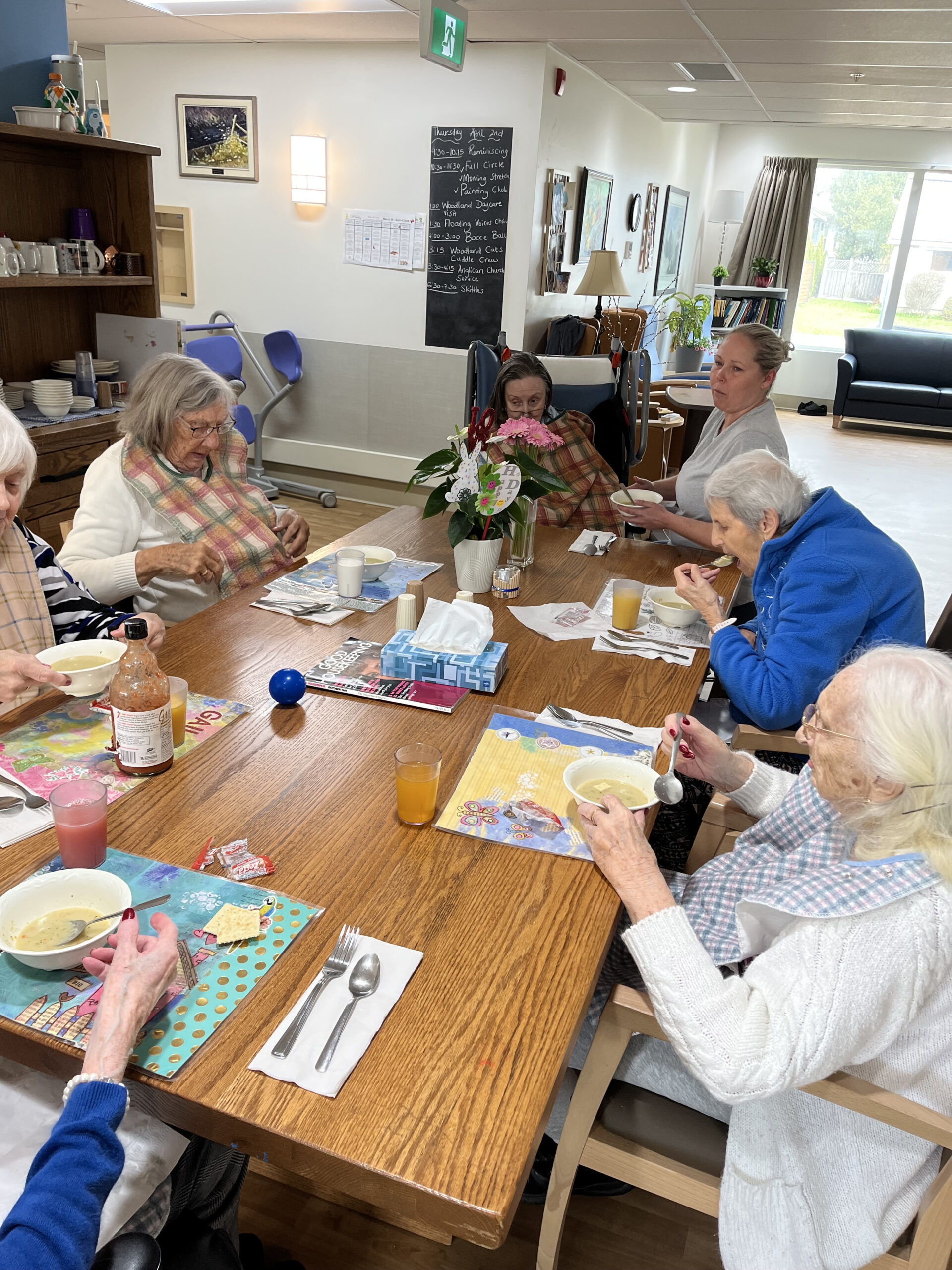
Here, the atmosphere was entirely different. It felt warm and inviting. There was chatter, laughter, and music playing softly in the background—something that sounded like Lawrence Welk. Residents sat together enjoying freshly baked muffins with coffee or tea. The pace felt relaxed. It felt like a home.
CARP (the Canadian Association of Retired Persons) is a national non-profit organization with about 230,000 members. The CARP Advocacy Working Group on Long-Term Care (CAWG) is dedicated to transforming long-term care from institutional settings into true homes. Its advocacy efforts include maintaining the website www.changeltcnow.ca, hosting monthly lunch-and-learn webinars, publishing blog posts and a monthly Bulletin, writing letters and articles, and collaborating with like-minded organizations.
Transforming “institutions to homes” means organizing care so residents feel they belong. It means staff know each resident—not just their care needs, but their life stories, preferences and what brings them joy. It means flexible routines instead of rigid schedules. It means relationships—between staff, residents, families and volunteers—are at the heart of daily life.
It also means creating smaller, home-like environments where people can gather, participate, and engage in meaningful ways.
While many long-term care homes in Ontario still reflect a traditional, medical model focused on tasks and efficiency, change is happening, albeit slowly. Innovative approaches—such as the Eden Alternative, Green House Project, Butterfly Approach and Hogeweyk Villages—are demonstrating that care can be delivered differently. These models have been shown to improve mood, reduce responsive behaviours, and increase resident engagement. Other innovative models or a hybrid of models are under development and evaluation.
 These models share common elements:
- Small, home-like settings of 12–16 residents
- Relationship-based care that fosters community
- Staff chosen for empathy and emotional intelligence
- Flexible daily routines shaped by residents’ preferences
- Greater direct care time and consistent staffing
- Active involvement of families and volunteers
Most importantly, they recognize that quality of life matters just as much as quality of care.
When residents live in environments that are engaging and familiar—where there is music, conversation, touch, humour, and meaningful activity—their mood, sense of purpose, and overall well-being improve. These should not be exceptions. They should be the standard.
None of us want to move into long-term care. However, when it becomes necessary, it should be a place that offers more than accommodation, care and safety; it should offer connection, dignity, and joy. Not just a place to live, but a place to belong.
So, which home would you choose?
Submitted by CARP Advocacy Working Group on Long-Term Care