


By Caroline Andrews
One of the most common concerns homeowners share when preparing to sell is the fear that staging means stripping their home of personality or, worse, erasing the life they’ve built there. Many worry it’s about hiding cherished belongings or replacing meaningful furniture with something generic. In reality, staging has very little to do with selling your possessions. Instead, it’s about helping buyers understand the space itself.

Buyers aren’t purchasing your furniture, artwork, or collections. They’re buying light, layout, flow, and potential. Staging simply helps those elements come through clearly.
What buyers are really looking for
When buyers walk into a home, they are subconsciously asking a few key questions. Does this space feel comfortable? Can I see how each room works? Can I imagine my life here? If a home feels crowded or visually busy, those questions are harder to answer.
Even beautiful homes can feel smaller or more confusing when there are too many personal items, too much furniture, or unclear room purpose. Staging removes those barriers, allowing buyers to connect emotionally with the space rather than becoming distracted by its contents.
This is not a reflection of how well a home has been cared for. In fact, many of the homes that benefit most from staging are those that have been lovingly maintained and lived in for decades.
Selling the space means creating clarity
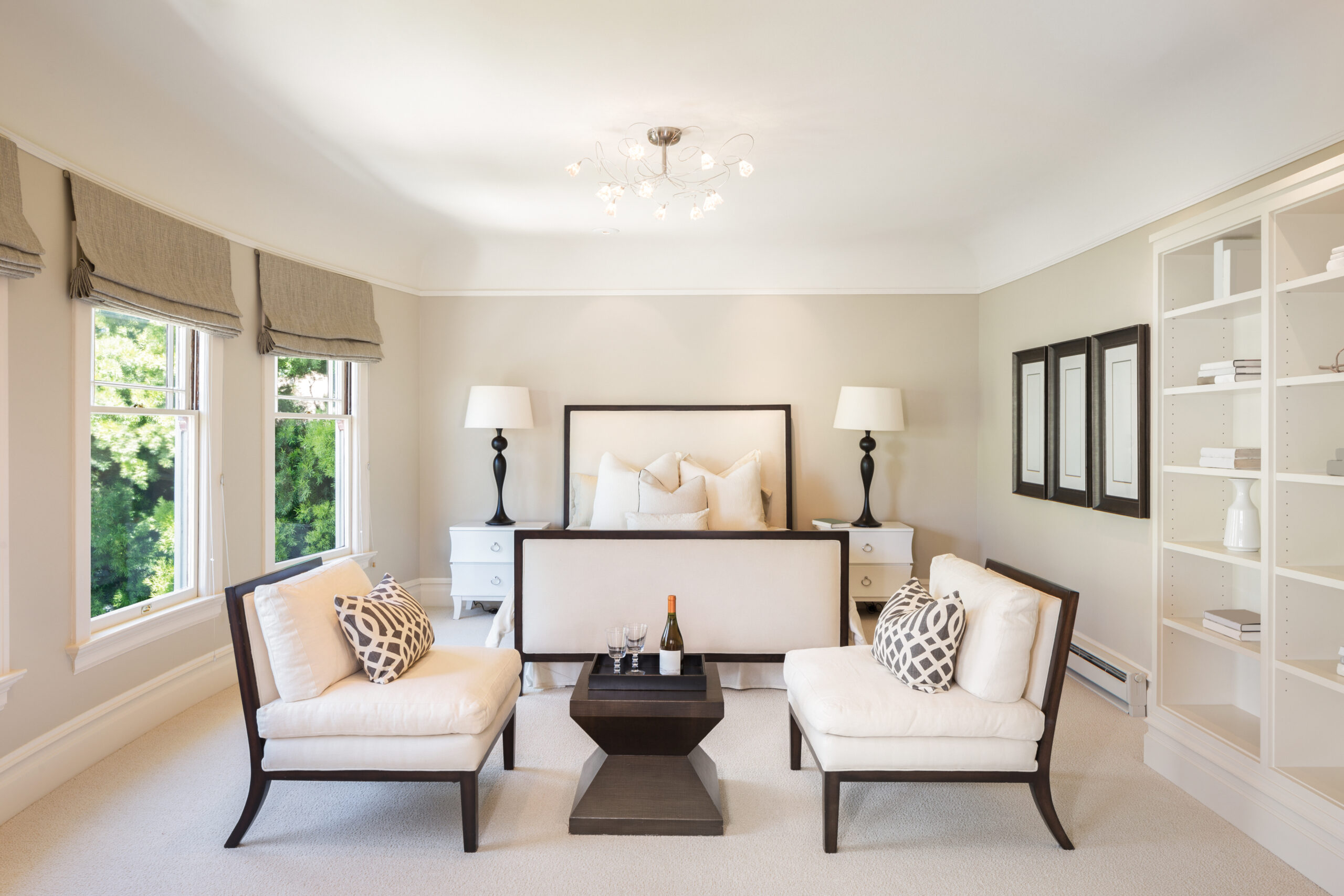 At its core, staging is about clarity. It highlights how rooms relate to one another, how people move through the home, and how each space is intended to be used. Clear pathways, open sightlines, and well-defined rooms help buyers understand what they’re seeing.
For example, a living room with fewer pieces of furniture often feels larger and more inviting, even if nothing has changed structurally. A bedroom with clear floor space around the bed appears calmer and more restful. A dining area that isn’t competing with storage or secondary uses immediately feels more purposeful.
These subtle adjustments allow buyers to appreciate the space rather than working to mentally rearrange it.
Why personal items can get in the way
Personal items are what make a house a home, but they can unintentionally interfere with a buyer’s ability to imagine themselves there. Family photographs, collections, and memorabilia naturally draw attention, but they tell someone else’s story.
Staging doesn’t require getting rid of these items permanently. Instead, it encourages packing them early or placing them out of sight during showings. Many homeowners find this step surprisingly helpful, especially if a move is already on the horizon. It becomes part of a gentle transition rather than a loss.
The goal is not to make the home feel empty or impersonal. It’s to create a neutral backdrop where buyers can picture their own furnishings, routines, and future memories.
Furniture shows scale, not style
Another common misconception is that staging is about style or trends. In truth, it’s about scale. Furniture helps buyers understand how large a room is and how it functions. Oversized or excess pieces can distort that perception, making rooms feel cramped or awkward.
Often, staging involves removing one or two items per room rather than replacing everything. Keeping well-proportioned furniture that fits the space allows buyers to see how their own belongings might work there. Neutral, comfortable pieces tend to support this best, but that doesn’t mean a home must feel bland.
It’s less about what the furniture looks like and more about what it communicates.
Light, flow, and first impressions
Light is one of the most powerful selling features of any home. Staging helps maximize natural light by opening window coverings, rearranging furniture that blocks windows, and ensuring lighting is warm and balanced throughout the home.
Flow is equally important. Buyers should be able to move easily from room to room without navigating obstacles. Clear circulation makes a home feel more spacious and intuitive, even if its footprint is modest.
First impressions matter as well. A tidy, welcoming entryway sets the tone for the entire showing. When buyers feel comfortable from the moment they walk in, they are more likely to respond positively to the rest of the home.
Staging helps sellers too
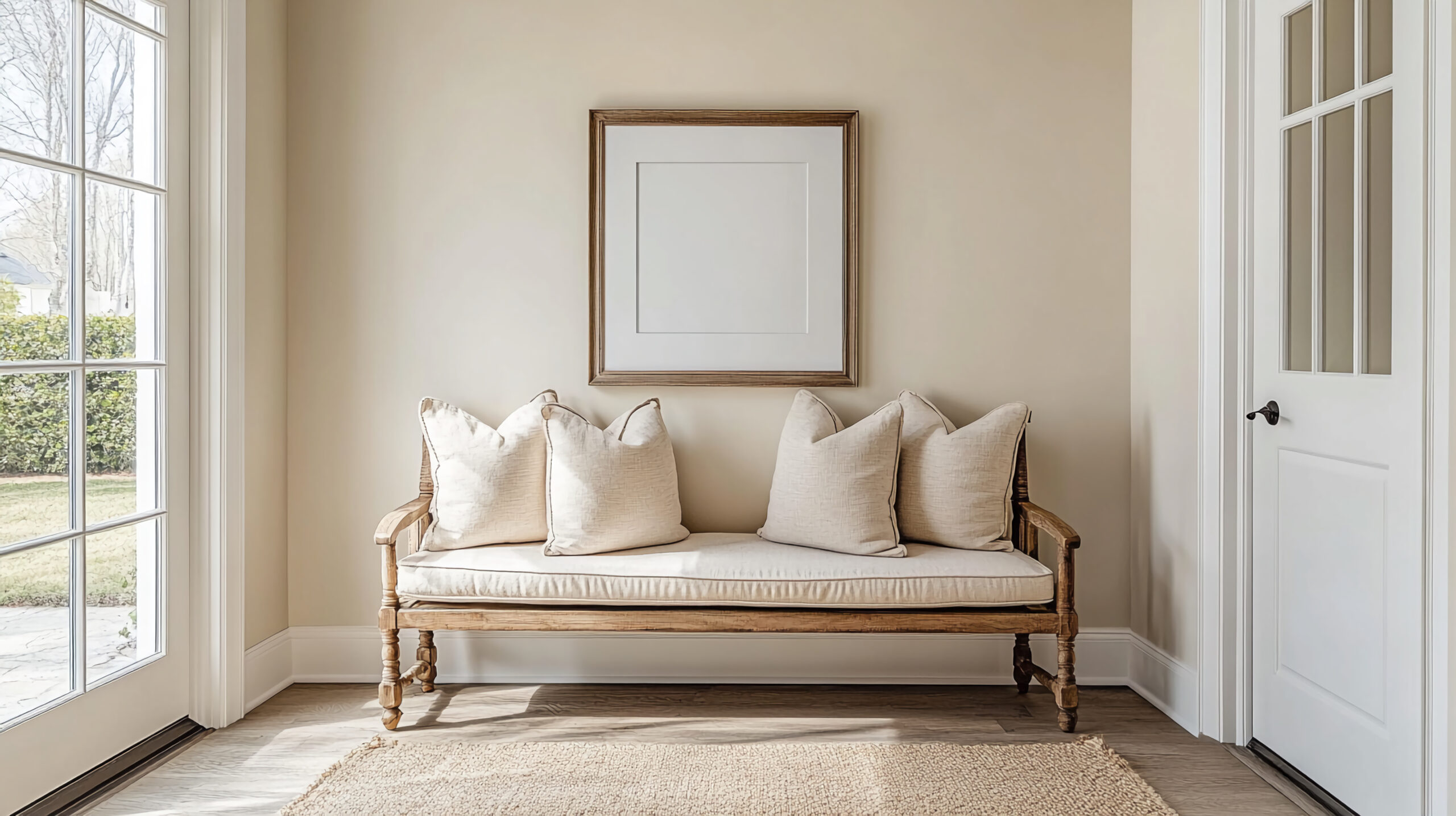 Beyond helping a home sell, staging often benefits homeowners in unexpected ways. The process of editing belongings and simplifying spaces can bring clarity, reduce overwhelm, and make the idea of moving feel more manageable.
For those considering downsizing, staging frequently becomes a natural first step. It helps homeowners see which pieces truly serve them, what will fit comfortably in a smaller space, and what they’re ready to let go of. Rather than being rushed at the end, decisions can be made gradually and thoughtfully.
A shift in perspective
Staging is not about judgment, trends, or creating a show home. It’s about allowing your home’s space to speak for itself. By focusing on flow, light, and function, staging helps buyers see what they’re really purchasing.
When you stop thinking about staging as selling your belongings and start seeing it as revealing the space, the process becomes far less intimidating. Staging is simply a way of letting the best features of your home come forward clearly and honestly. It allows buyers to see light, flow, and possibility, while allowing you to step back and appreciate what you’ve created over the years. Done thoughtfully, staging respects your history, supports a successful sale, and helps your home transition gracefully into its next chapter.

Caroline Andrews is a real
estate agent with Engel &
Völkers Ottawa, a seniors real
estate specialist (SRES®)
and an interior design
consultant.