


Valerie Pringle is one of Canada’s most iconic faces. For over 50 years, she brought warmth, poise and curiosity to Canada’s airwaves. Her enthusiasm crossed all media, from radio (CFRB Toronto, where she started) to television (both CTV and CBC) to specialty productions, including a travel show and most recently an interview series on PBS. Her discussions with newsmakers, politicians, celebrities, musicians and people from all walks of life were legendary and she also covered space launches, the Olympics and royal events, to boot. In short, she was a broadcasting powerhouse.
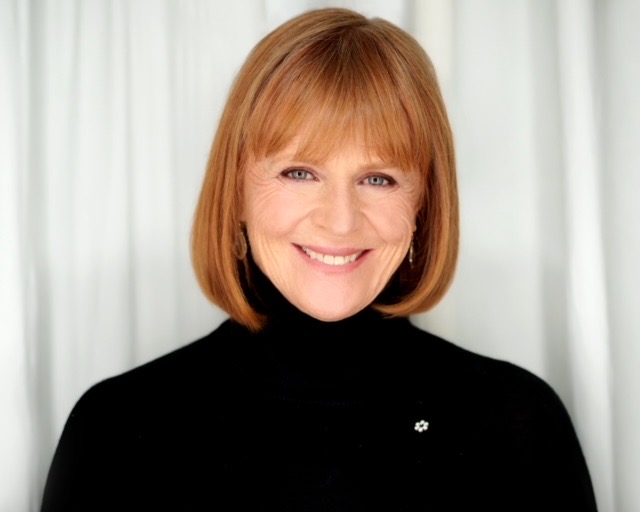
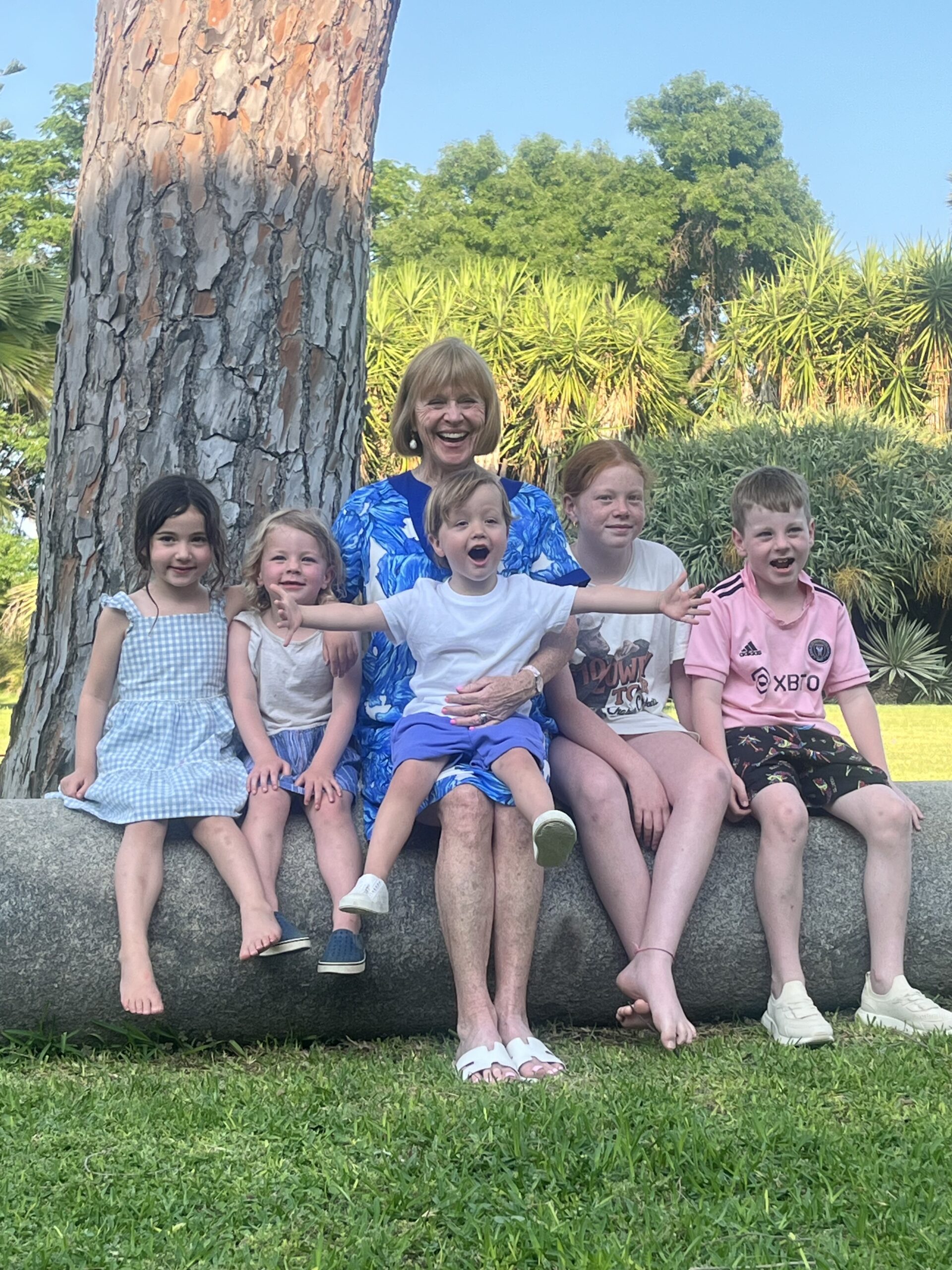
Last year, she hung up her hat to focus on other things—and she hasn’t looked back. “I’ve had such a good year and was relieved not to be responsible for any big projects, so I could focus on family. We also had two more babies in the fall—number six and number seven grandchildren; I got a new black lab puppy, my husband had his hip replaced, and my 103-year-old mother-in-law needs some attention and help.”
And throw in two ski trips—“I still feel like a kid when I ski”—along with other trips with her children and grandchildren. In short, she hasn’t stopped. “I know why the Spanish call retirement ‘jubilación.’ I feel lighter,” she says. “I still want to keep my brain working and keep engaged, as that was a key lesson from all the great Canadians I interviewed. But I like having more control of my life and being able to give my time where it is needed.”
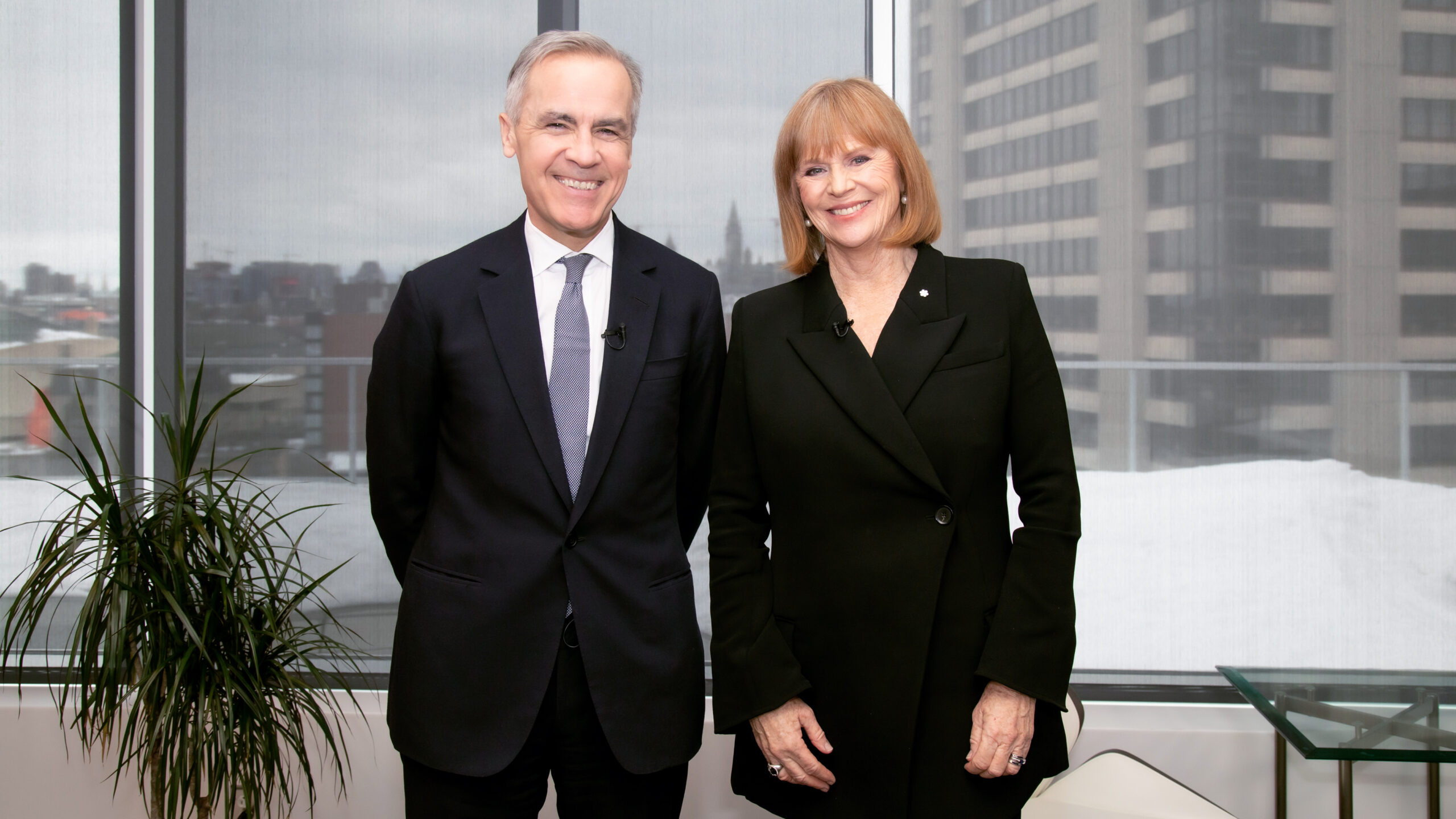
As Valerie reflects on her incredible career, she credits other Canadian icons, such as Barbara Frum, June Callwood and Betty Kennedy, as her mentors. “Barbara was, I think, probably the best interviewer. She was extraordinary. She taught me the importance of discovering authenticity, listening for those moments of truth and sharing them with the public. That has always been so rewarding.”
Betty Kennedy taught her about managing life—career, interviews and kids—with grace.
And then there was June Callwood. “She was a great writer, of course, but she was a committed activist. I remember her saying she would not tolerate anything that is unjust. Interfering keeps us together as a society. And I liked her using that word interfere because, you know, you don’t think of interfering as being a good thing, but when June talked about it, it was a very good thing.”
Valerie created her own style of “interfering” through her decades of not-for-profit work, including mental health advocacy for The Centre for Addiction and Mental Health in Toronto. “I had 18 years with CAMH helping to raise, now, over a billion dollars.”
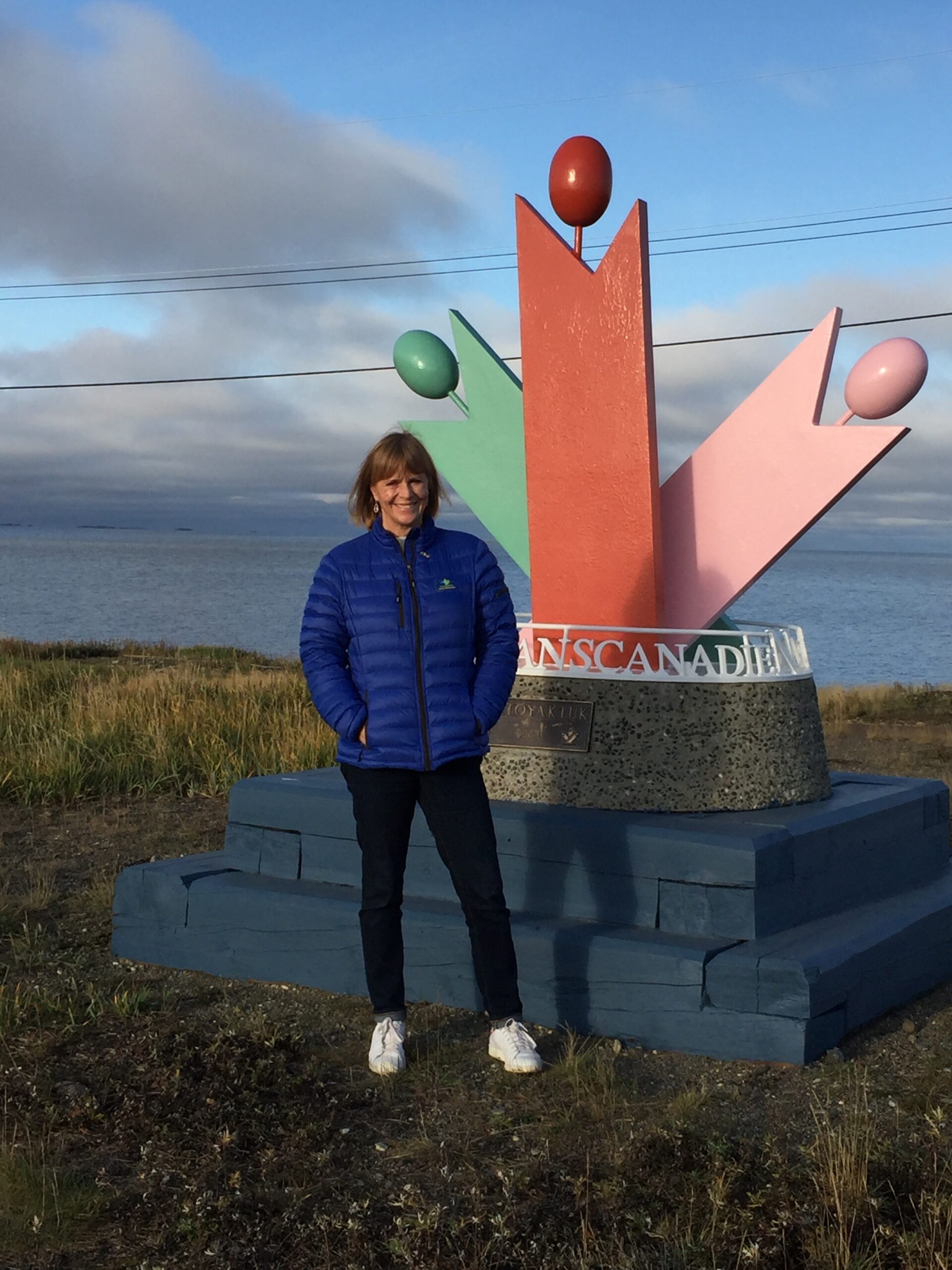
Passionate about Canada’s beauty and the positive impact of nature on mental health, she also threw herself into making the Trans Canada Trail a reality. It would not exist were it not for her dedication. “I was involved with the Trail for 20 years. I chaired the board and helped secure $83 million for its connection.” Now, she is back working with what she calls “the greatest project in the history of the world,” serving as honorary chair of its new $75-million A Trail for All Lifetimes fundraising campaign.
“Those two things, the Trail and mental health, are very important to me, and actually are not unconnected. And really, apart from my kids and my family, I’m most proud of that legacy.”
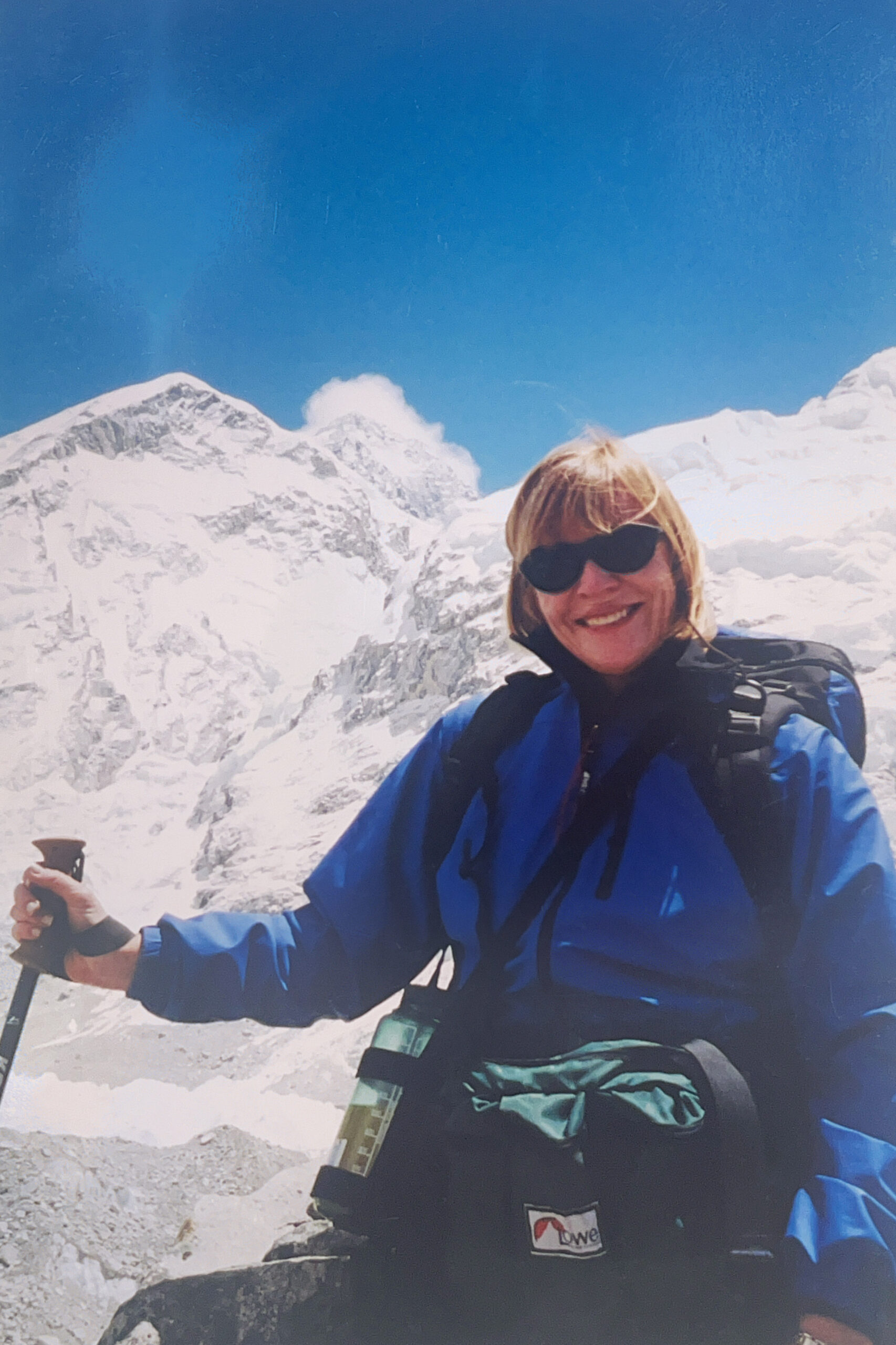
Giving back is part of who she is, even when travelling. “I did some trips, which were real highlights: One to Everest Base Camp—to shoot up there. And a trip to the top of Kilimanjaro. I took my sister to Everest, and then both my sisters and my youngest son came to Kilimanjaro. Of course, I saw the opportunity to fundraise at Kilimanjaro. We helped build a resource centre for some women who started an HIV AIDS kind of outreach group. It underlined to me that everywhere you go, you make an impact.”
Any other life lessons? “Keep calm and carry on. That’s all you can ever do with anything. It’s just put your head down, even when it’s awful. I mean, there was a moment when I was sure the Trans Canada Trail was not going to work out, but things come in waves and, you know, it’ll get better. So just hang in there, keep working, and things will work out. That is not to diminish that times are tough, and sometimes you lose your way a bit, but just keep calm and carry on and things get better. That was an important lesson.”
For Valerie, there is also a journey of self-discovery. She has found strengths, tapped into new talents and realized she is a gifted leader, chairing boards and taking on leadership roles. “Who knew? I was totally surprised by that. I kept saying, ‘You want me to share what? I’m just a broadcaster.’ Most of us know more than we think.”
Her 52-year marriage to her husband Andy and her family of three children and seven grandchildren top her list of support. Over the years, whenever things got a little shaky, she relied on her rock. “I would just say to myself, Andy won’t let me fail. Sometimes, it is hard to know exactly what to do, or what’s the right path. But … I think if you follow your guts and your instinct … projects come up. And, you know, I’m pretty strong. You can work through things, not to say it’s always easy. Andy was always there, encouraging me.”
She also credits her “extraordinary base. My parents, two wonderful grandmothers were just foundational: One small English one and one very, strong Canadian one.
“My parents were just absolutely lovely, salt of the earth—warm, really generous and welcoming of friends. They were as good as it gets.”
Sit still in this new phase? Absolutely not. She sits on the board of a long-term care facility where her own mother had been chair and her 103-year old mother-in-law now lives. “I’m also helping Rick Hansen with his fundraising for his 40th anniversary campaign and the Trail. I just think it’s good for my brain.”
So are Pilates, yoga, weights and Peloton. Valerie keeps moving. And she laughs. A lot. “You know, all my life I have had groups of girlfriends. I would just dance out the front door when I had one of my friends’ nights. It was so important and so therapeutic, even all those years when I was getting up ridiculously early to go to work. It was still so important to get out and you know, just share life. Socializing is so important.”
Valerie is also guided by something Oscar Peterson said to her later in his life. “I really loved him. Not long before his death, I think one of the last interviews I did with him, I asked him one of those legacy kind of questions. ‘What’s the best piece of music you’ve ever written?’ And he said, ‘I haven’t written it yet.’
“What a great piece of advice. You’ve got to keep curious. You have to keep looking forward. I also saw that in the Canada Files interviews I was doing.” Most her interviewees, including
 Rosie Abella and Roberta Bondar, Louise Arbour and Jean Chrétien, weren’t focused on the past. “They’re all looking forward. These incredibly accomplished people, they’re still thinking, ‘What’s next?’ I think that is a spectacularly good advice.”
It may be for her, but it’s also inspiring for all of us—no matter our phase of life.