


We often take our sight for granted until something starts to blur. Vision is our primary connection to the world, the sense through which we navigate, learn, connect, and experience beauty. When common vision issues arise, they don’t just mean a trip to the optometrist for new glasses; they send ripples through every corner of our daily lives and can be crucial signposts for our long-term eye health. It’s frustrating, limiting, and sometimes frightening, but also manageable with awareness and care.
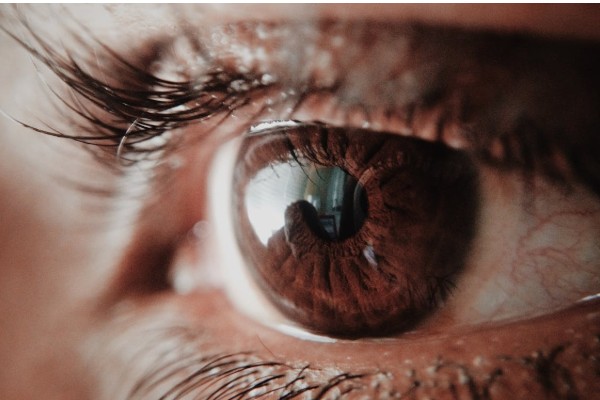
The Silent Thief of Daily Ease: Beyond Simple Blurriness
Most people think of vision problems as static: things are either clear or they’re not. But the reality is far more intrusive. Common refractive errors like myopia (nearsightedness), hyperopia (farsightedness), astigmatism (distorted vision), and presbyopia (age-related near vision loss) act as subtle thieves of daily ease.
- The Cognitive Load: Constant squinting or straining to see a screen, a road sign, or a menu isn’t just a physical act. It adds a significant, often unnoticed, cognitive burden. Your brain is working overtime to decode blurry information, leading to mental fatigue, reduced concentration, and headaches by midday.
- The Social Friction: Imagine recognizing a friend’s face only when they’re three feet away, often too late for a warm greeting. Or being unable to read the shared menu at a restaurant, missing nonverbal cues in a conversation, or struggling to see the ball during a casual game with your kids. These moments create small but meaningful barriers to connection and participation.
- The Simple Tasks Turned Complex: Reading instructions on a medicine bottle, threading a needle, applying makeup safely, checking the expiration date on milk, or even just chopping vegetables can become exercises in frustration and potential hazard. The autonomy we cherish in our daily routines is quietly eroded.
Table 1: Daily Life Impact of Common Refractive Errors
| Vision issue | Immediate symptom | The ripple effect on daily life |
| Myopia | Distant blur (e.g., whiteboard, TV, traffic signs) | Difficulty driving safely, passive participation in sports or events, and increased risk of eye injuries in children. |
| Hyperopia | Near blur (e.g., books, phones), eye strain | Avoidance of reading or close work, headaches after computer use, and children may show poor academic performance. |
| Astigmatism | Blur and distortion at all distances, and ghosting of images | Night driving glare is terrifying, difficulty with detail tasks (crafts, electronics), and general visual discomfort. |
| Presbyopia | Inability to focus on near objects (arms “too short”) | Needing bright light to read, holding phone at arm’s length, and frustration with multifocal lenses. |
When It’s More Than Just a Prescription: Underlying Health Clues
Here’s the critical part we often miss: common vision changes can be the first, most noticeable symptom of broader eye health issues. A sudden shift in prescription, persistent floaters, or consistent dry eye aren’t just annoyances; they’re your eyes sending an SOS.
The Dry Eye Dilemma: Often dismissed as “just screen fatigue,” chronic dry eye disease is an inflammatory condition. That gritty, burning feeling isn’t just uncomfortable. It can lead to light sensitivity, fluctuating vision that can’t be corrected perfectly with glasses, and in severe cases, damage to the cornea’s surface. It’s a health issue, not just a minor inconvenience.
The Sudden Shift: A rapid increase in myopia in a child, or a sudden change in prescription in an adult, warrants investigation. It can indicate conditions like keratoconus (thinning of the cornea) or, in rare cases, be linked to systemic issues like diabetes.
The Specialist’s Role: For complex cases where vision problems stem from brain-eye coordination issues, like after a concussion, stroke, or with conditions like binocular vision dysfunction, you should look for professional help. In such a case, seeing a NeuroVisual Specialist can be transformative. These specialists don’t just look at the eye’s health; they assess how the brain processes visual information. Patients suffering from dizziness, motion sickness, and reading difficulties despite “20/20” sight often find answers here, where a standard eye exam falls short.
Protecting the Whole Picture: Habits for Lifelong Eye Health
Our daily habits are the silent guardians of our vision. Think of eye health not as a static condition, but as a dynamic state you can influence.
- The Digital Dilemma: The 20-20-20 rule (every 20 minutes, look 20 feet away for 20 seconds) is cliché for a reason; it works. It breaks the cycle of constant near-focus, reducing strain and giving your eye muscles a chance to relax.
- Sunwear is Healthcare: Sunglasses aren’t just a fashion accessory. They are essential armor against UV-A and UV-B rays, which contribute to cataracts and macular degeneration. Wear them year-round, even on cloudy days.
- Diet for Your Eyes: You literally are what you eat. Nutrients like lutein and zeaxanthin (found in kale, spinach, and eggs) act as internal sunglasses for the macula. Omega-3s (in fatty fish) support retinal health and tear film. Vitamins C and E are critical antioxidants.
- The Non-Negotiable: Comprehensive Eye Exams. This is the cornerstone. An exam is not just about getting a prescription update. It’s a window into your overall health.
Table 2: Eye-Healthy Nutrients and Their Sources
| Nutrient | Primary role in eye health | Common food sources |
| Lutein and zeaxanthin | Filters harmful blue light; protects the macula. | Kale, spinach, collard greens, eggs, and corn. |
| Omega-3 fatty acids | Supports retinal function; reduces dry eye inflammation. | Salmon, mackerel, sardines, flaxseeds, and walnuts. |
| Vitamin A | Essential for low-light vision (rhodopsin). | Sweet potatoes, carrots, cantaloupe, and liver. |
| Vitamin C | Antioxidant; may lower risk of cataracts. | Oranges, strawberries, bell peppers, and broccoli. |
| Vitamin E | Protects eye cells from free radical damage. | Almonds, sunflower seeds, avocado, and peanut butter. |
A Clearer Perspective
Living with uncorrected or unmanaged vision issues is like navigating the world with a constant, low-grade headache for your senses. It dims the vibrancy of life, adds friction to simple joys, and can mask more serious health concerns. The good news is that so much of this is within our control. By listening to what our eyes are telling us, that strain, that blur, that discomfort, and responding not just with a stronger lens but with proactive, holistic care, we do more than see clearly. We protect a fundamental part of our human experience. We ensure that we can not only see the world in all its detail but also engage with it fully, safely, and with enduring wonder for years to come. So, pay attention to those signs, honor that next comprehensive eye exam, and remember: caring for your vision is, in every sense, an act of caring for your life.