


Rose Simpson’s husband Scott went into the hospital for a knee replacement. He came out with ALS.
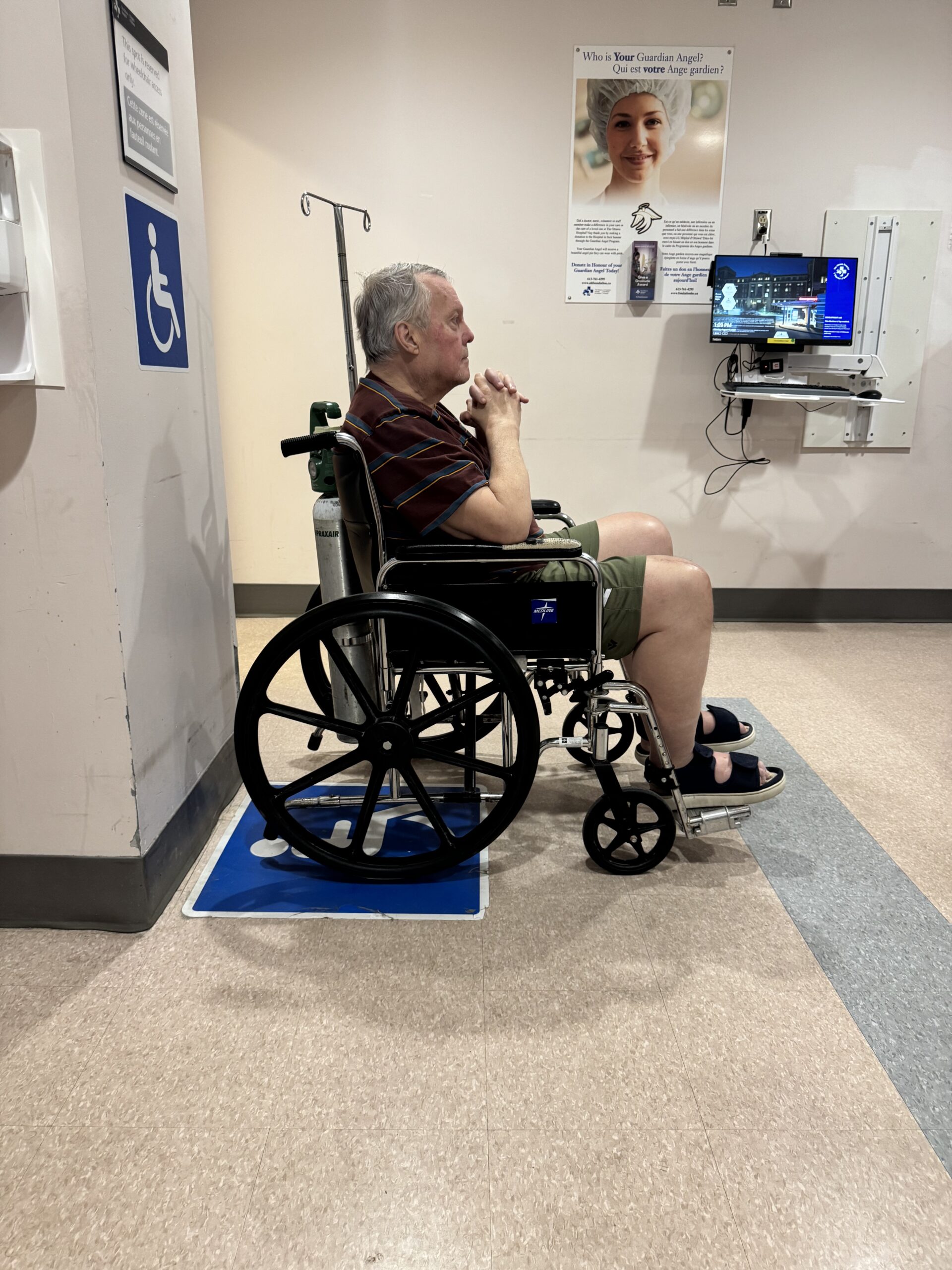
On July 3, my husband Scott checked into the hospital for his second knee replacement in four months. The operation was a complete success.
Unfortunately, further testing revealed he has Amyotropic Lateral Sclerosis, also known as Lou Gehrig’s disease and ALS.
Basically, it’s a body wasting disease that is untreatable and terminal. How long he lives depends very much on where it landed. If it’s in a person’s limbs first, they will probably have time. If it’s in their head, basically, they can bend over and kiss their ass goodbye.
The first symptoms presented in Scott’s left hand about two years ago. But, like many husbands, he decided to hide it from me. He knew it was serious because his mom and grandma died of ALS.
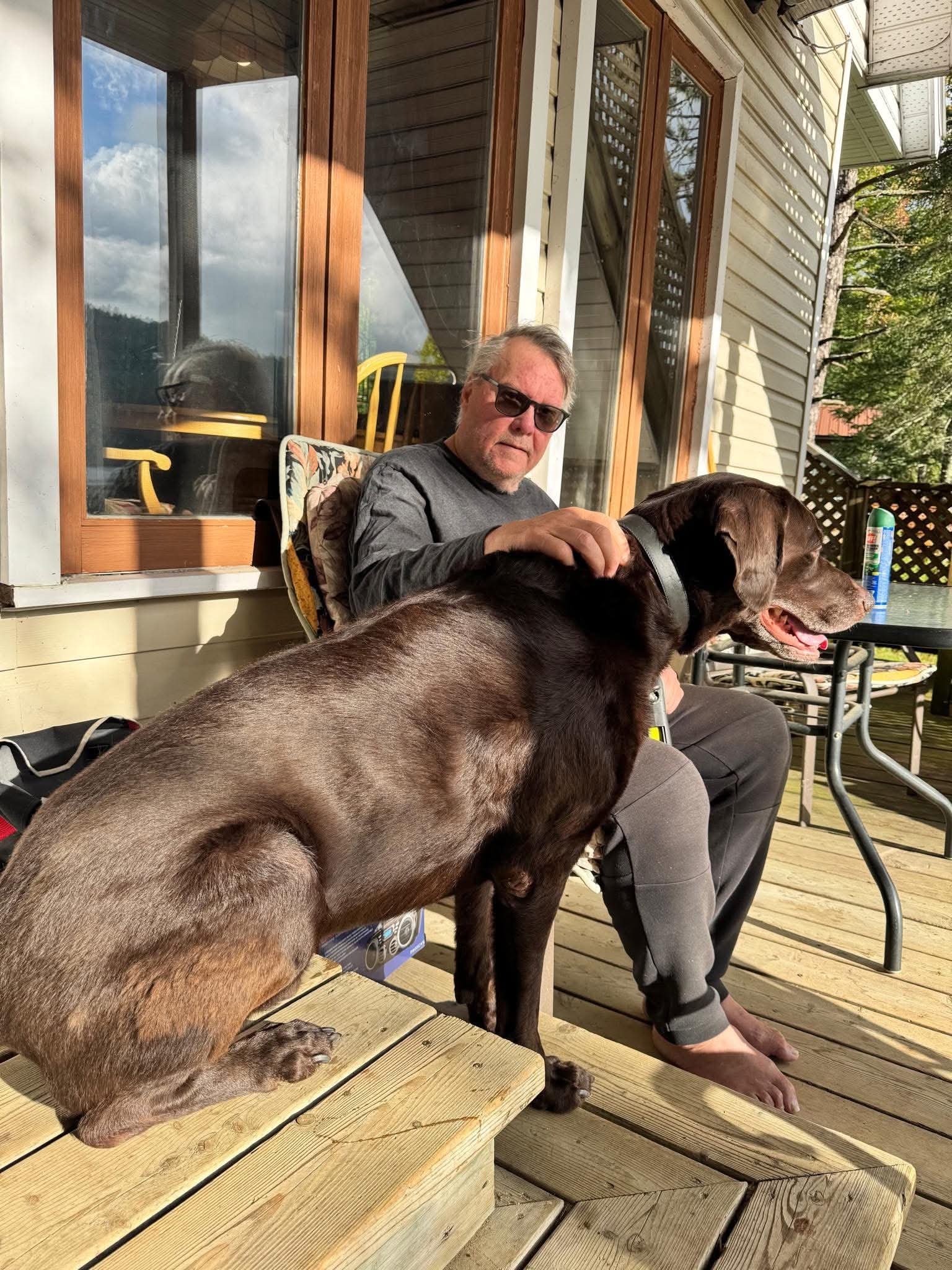
But he couldn’t fool a sharp intern who asked why his hand was so weak. He fessed up and the doctors immediately called in the ALS specialists at the Ottawa Hospital’s amazing rehab centre. Everyone was kind but I could tell this was serious just by the looks on the faces of the myriad specialists and therapists.
Each one said they were sorry. Some of them actually started to tear up.
That’s what happens when you mention your husband has ALS. A dark cloud settles over people’s faces. In fact, in ALS humour, I can confidently say to anyone who has a serious illness that we can top theirs.
Since July, our lives have changed dramatically. My once vibrant husband—the chore doer, the master fixer, the gourmet chef—can no longer wash a dish or make a meal. He is on a walker with a seat and has to sit down even after a short trip to the bathroom. In coming days, the walker will be replaced by a wheelchair, then a motorized wheelchair. Eventually, he will have trouble eating and breathing and will be on a ventilator. He will no longer be able to speak.
ALS is a disease that slowly takes away all bodily functions while the mind remains intact.
Fortunately, we have the pick of any motorized wagon available, thanks to ALS Canada and the mighty fundraisers who have stepped up to supply these costly items—on loan, of course—because people with ALS (pALS) rarely live more than five years. Many succumb to the illness in months.
I have learned to accept our fate, that my husband, 70, probably won’t go back to work and our tiny little nest egg will be spent on hospital visits and helpers of all kinds. I can no longer work outside the home because I can’t leave Scott more than a few hours.
But I am extraordinarily lucky because I can sit at this computer and interview wonderful people and put stories in Fifty-Five Plus. Work keeps me going and growing and hopeful. But late at night, I wonder when the real nightmare will begin.
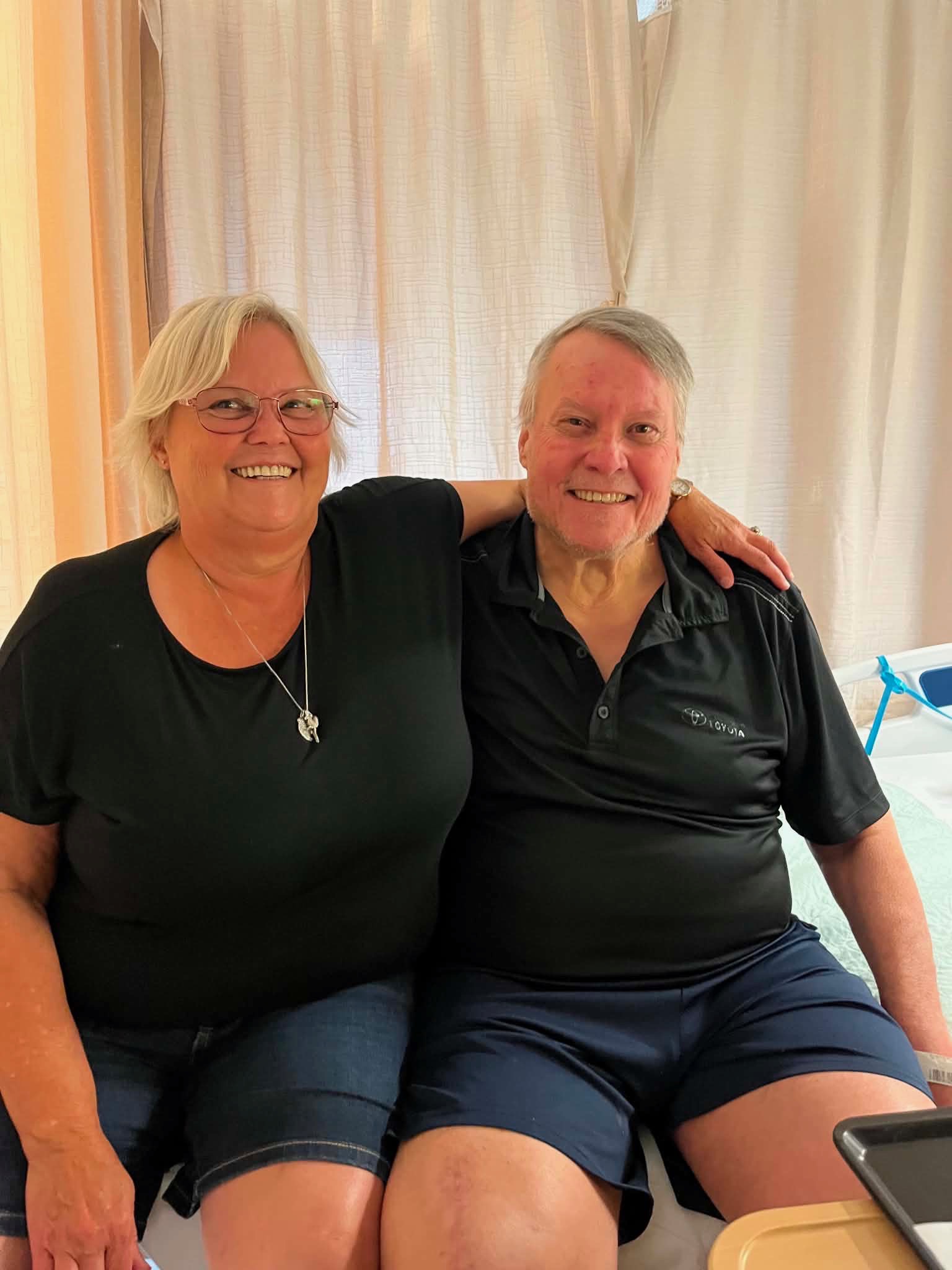 When Scott gets worse, he will have to live downstairs because he won’t be able to climb steps. He most likely will need home care. At some point, he may need to go into care, but my hope is not for a while.
When it gets bad, he will take Medical Assistance in Dying (MAID) and we will sit and hold his hand and send him on his way. I do not look forward to the day that happens, but I accept it.
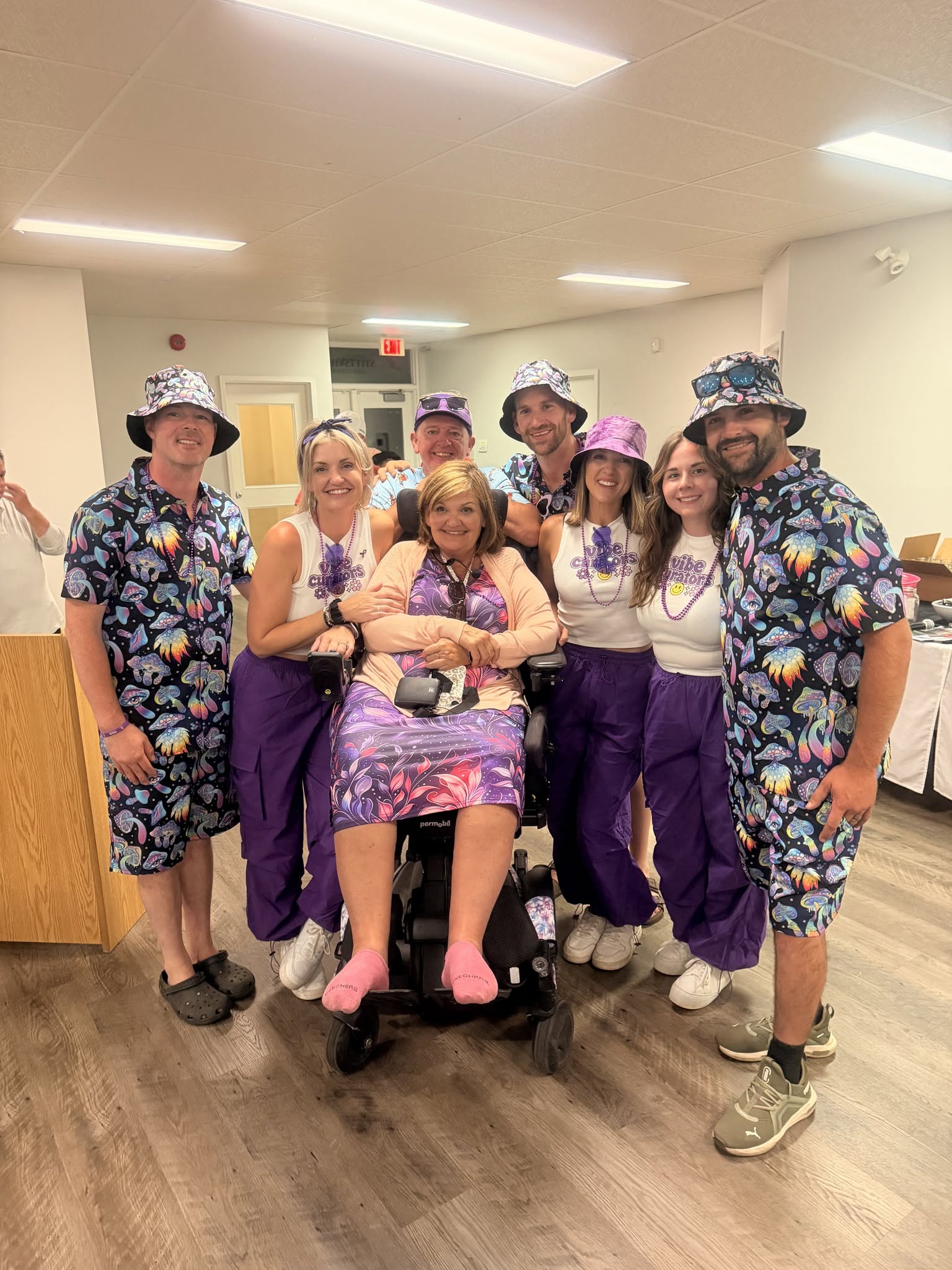
In the meantime, I am grateful for all the support from ALS Canada and especially the Trafford family, who have raised tens of thousands of dollars to pay for wheelchairs and walkers. Heather and her family hold regular golf tournaments and will hold their first bonspiel this year. Diagnosed three years ago, Heather now depends on a wheelchair, assistive devices and care from her partner Stewart. We run a Facebook group together for women with ALS. It has more than 900 members worldwide. In this group I have learned the power and strength of women who share their experiences, cry and laugh at the absurdities of life.
I have immense gratitude for the excellent care Scott is being given by the ALS Clinic at the Ottawa Hospital, for my family who have stepped up in extraordinary ways and to my community for supporting our journey. I write about it all in a Substack, if you are interested. Writing helps me make sense of the world, which is why I write many of the stories I do for Fifty-Five Plus.
Thank you, dear readers, for taking the time to learn about our journey. To read more about ALS Canada, please visit als.ca and donate if you can. You can follow me on Substack at rosesimpson.substack.com.
And you have a loved one who is sick, be grateful you still have time to be with them, hold their hands, make them a meal and tell them you love them. If illness teaches one thing, it is that love is precious. Love is all we have in the end.