

By Jamie Portman
It came about almost by accident. In 1978, Steve Paikin was just this kid from Hamilton, still wondering about his future as he adjusted to life as a University of Toronto freshman. It was his first week on campus and his wanderings had taken him through the doors of U of T’s venerable Hart House student centre—and, as it turned out, to his destiny.
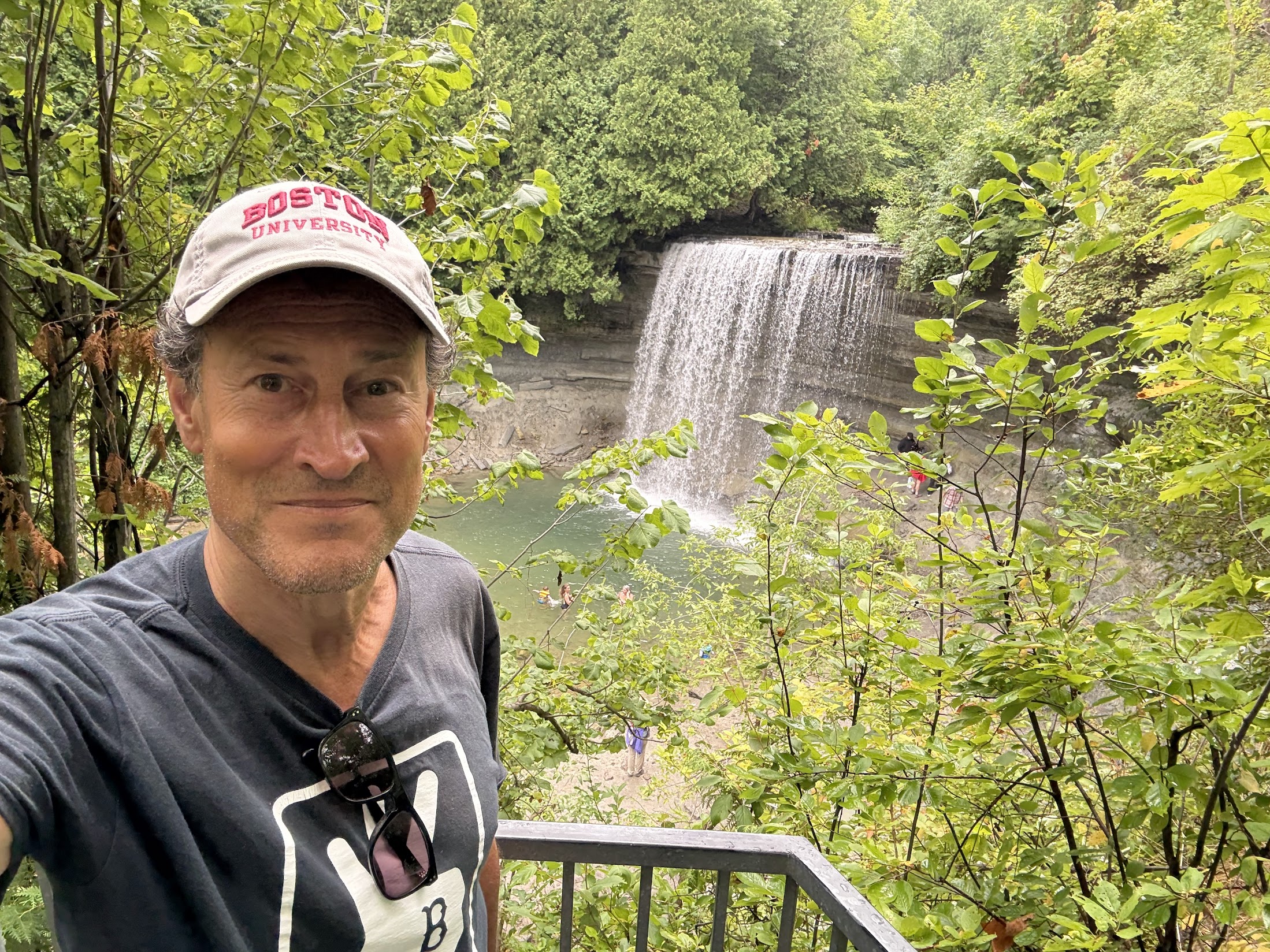
He discovered a flurry of extra-curricular activities. “I walked into this old gothic building and there was a table for the chess club, and another for the archery club—and the jazz club and the debating club.”
A promising feast of choices awaited him. “But then I saw a table that said University of Toronto Radio. I can’t really explain what happened next except that a light bulb went off in my head.”
So Steve approached the table with a question. “Do you do Varsity Blues hockey and football games on the radio?” The answer was no, at which point Steve, an ardent sports fan, made a bold request. “Could I be your play-by-play boy for the Blues? Can I become U of T’s Foster Hewitt?”
That marked Steve’s entry into the wonder and joy of broadcasting. And it would later lead him to obtain a master’s degree in broadcast journalism at Boston University.
“That’s how it all started,” Steve says, and he’s both affectionate and clear-eyed in his memories. “I was 18 years old and horrible, but I was having fun.”
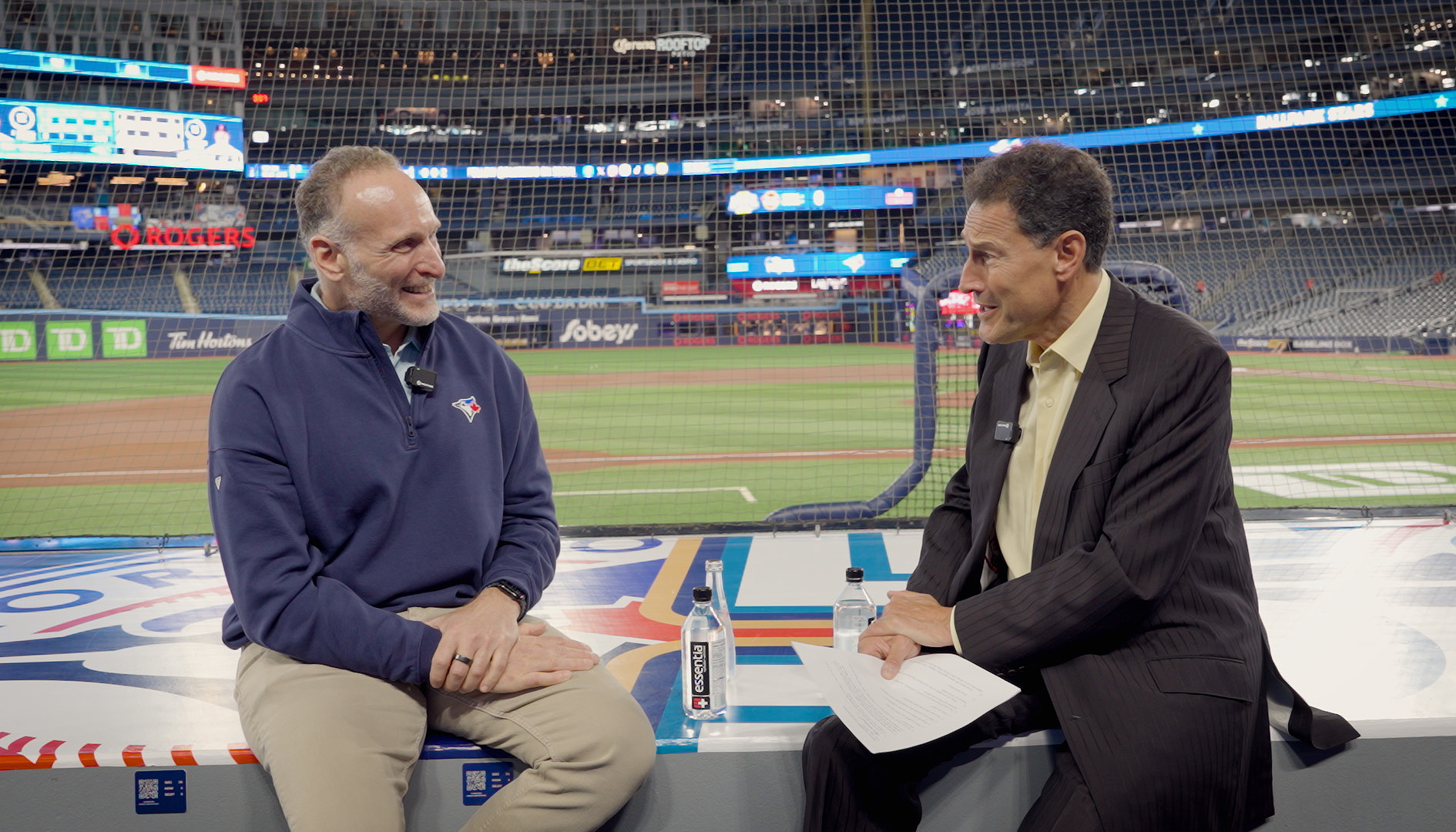
Nearly five decades later he’s still having fun — his long association with TVO Ontario having established him as one of the most respected figures in Canadian journalism. But he still remembers the simple pride he would feel at university for bringing off some 60 sports gigs — a pride that remains steadfast in the face of a subsequent career encompassing thousands and thousands of interviews.
Last year he said goodbye to The Agenda, the weeknight TVO current-affairs program he hosted for nearly two decades. It was the result of a measured decision, made three years previously at the signing of his last contract when he told himself that it was always better to leave the party an hour early rather than a minute too late. “I said at the time that I thought this would be the last one, that when we got to the end of 2025, that would be the end of The Agenda—but hopefully I would continue to do something.”
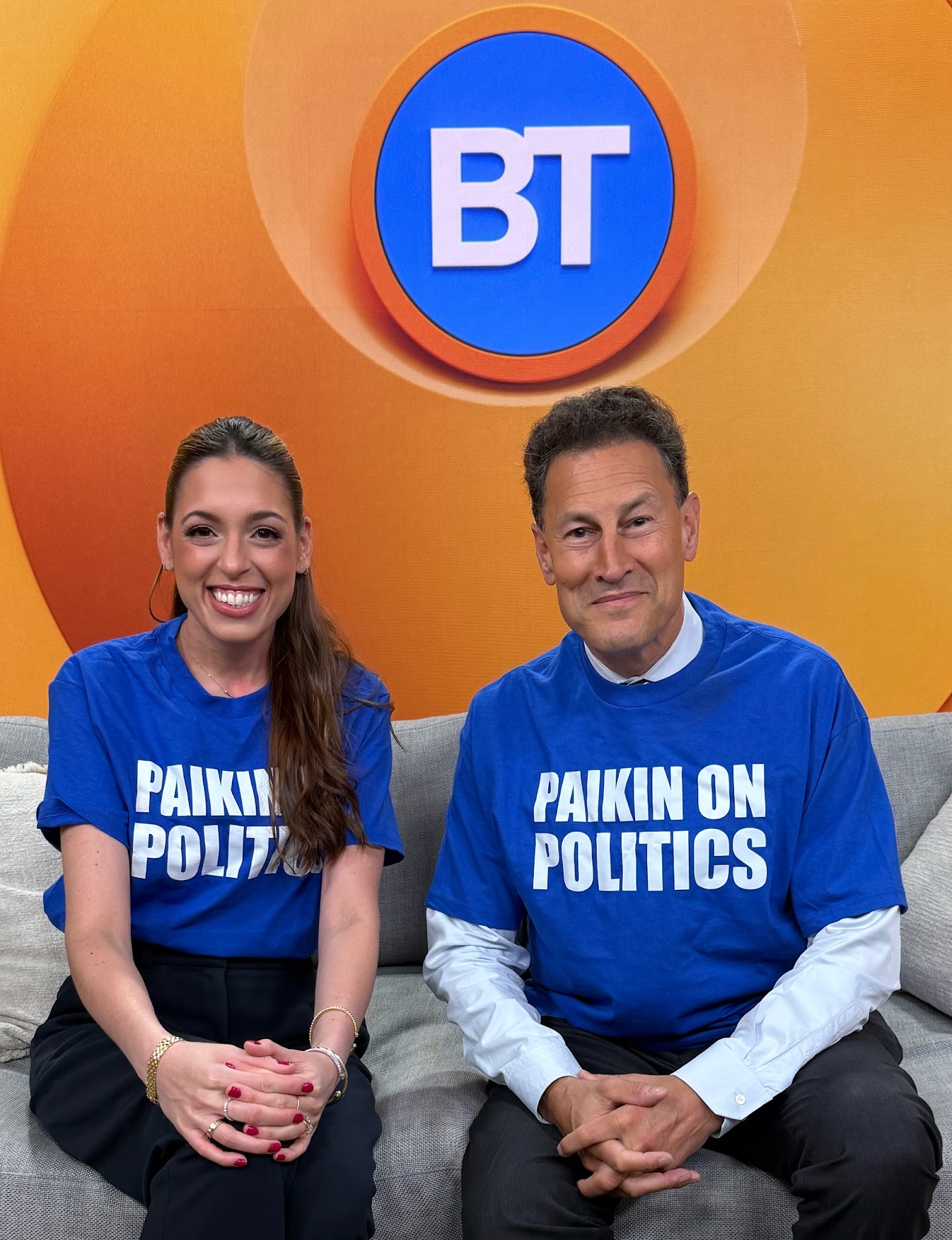
That was the scenario that unfolded over the next three years, although he would be asked more than once by TVO management whether he had changed his mind. No, he hadn’t.
As a kid growing up in Hamilton, Steve used to watch The Tonight Show with the legendary Johnny Carson, and he has always remembered how Johnny said goodbye. “I found something I wanted to do and I have enjoyed every single minute.”
So how did Steve want to say goodbye? Who would be his final guest?
There was “a lot of discussion at the editorial table over who this should be. There were lots of good ideas. Should it be the premier—or maybe the show’s first guest, Conrad Black?” The choice became his favourite interview of all time: It was with his father.
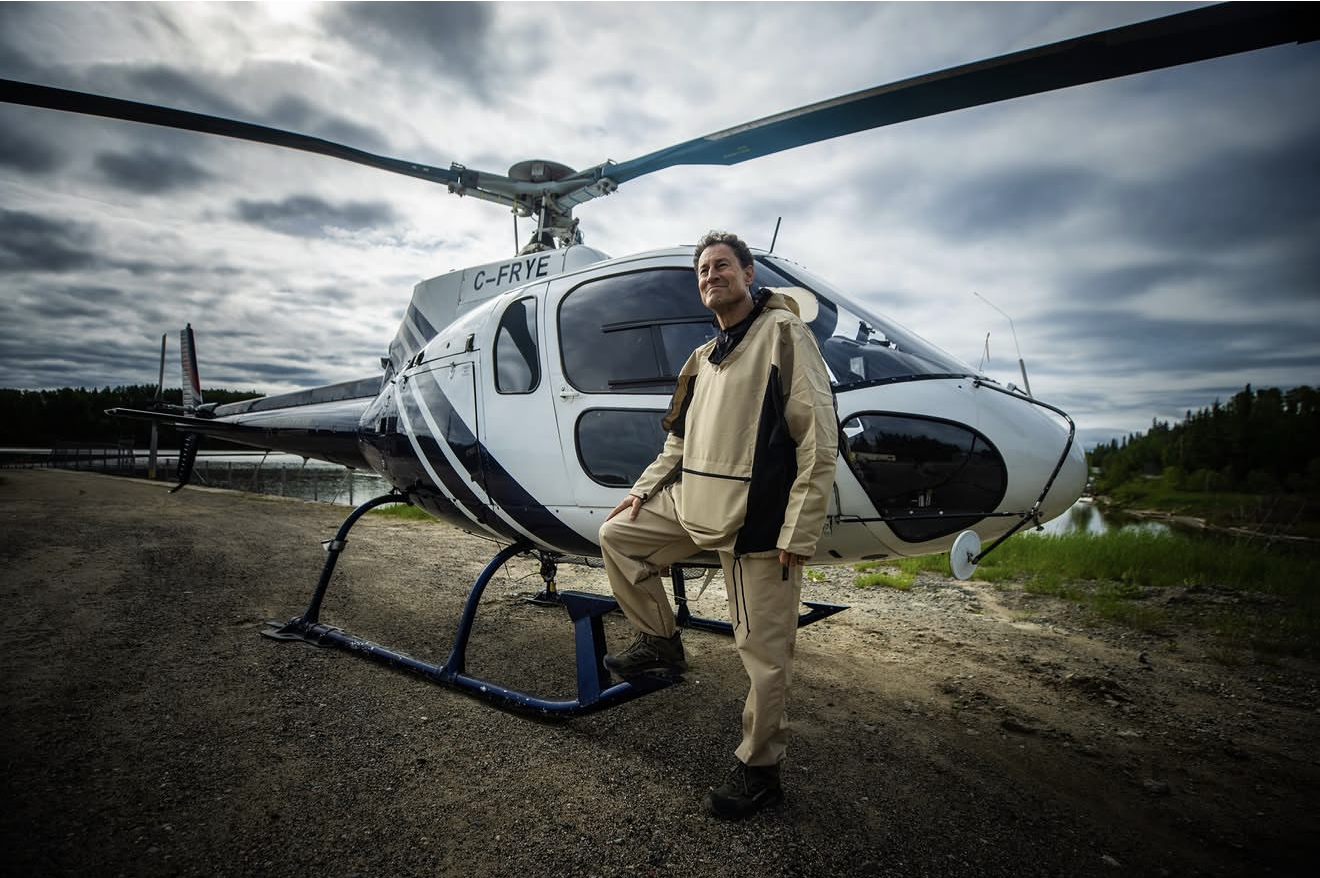
“I’m not sure how it came up. I think I suggested it: ‘What about my dad?’” Family was much on Steve’s mind —His mother had died a couple of years before — “and everybody kind of liked the idea. It was different. As it turned out it was memorable, it was fantastic.”
Meanwhile, retirement is definitely not a part of Steve’s post-Agenda life. Now 65, he still co-hosts the #onpoli podcast that continues to air on TVO and also hosts The Paikin Podcast. He writes a weekly column for TVO’s website and hosts a Town Hall show called TVO Live. He remains passionate about public broadcasting.
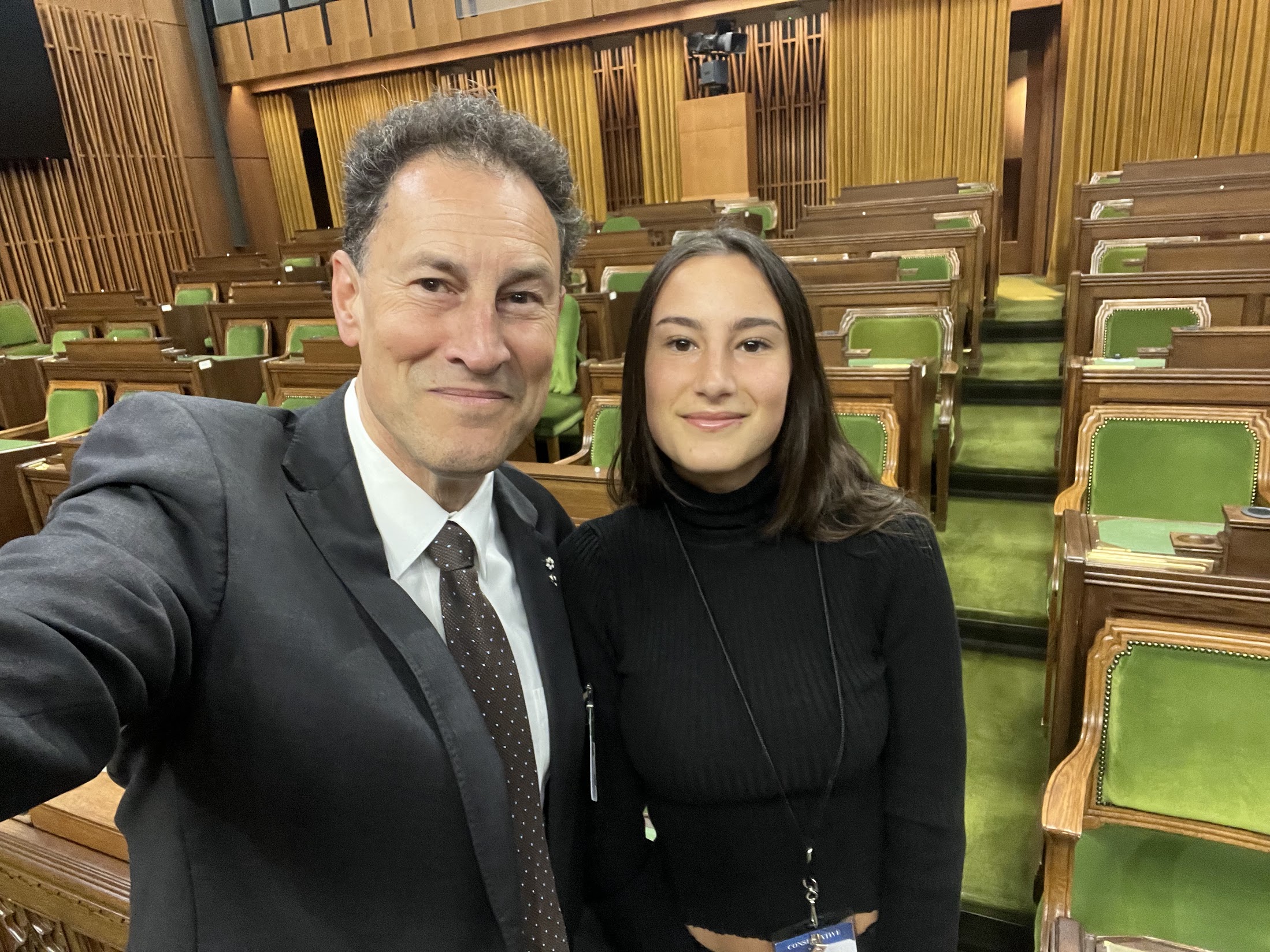
“I’ve devoted my life to it and I honestly believe—given that I’ve spent 40 of my 43 years in journalism working first for CBC and then TV Ontario — that there’s a different mission and a different culture in public television. I especially speak for TVO where I’ve worked for the past 33 years. I think the people of Ontario value a system that costs a taxpayer maybe three dollars a year. When I first joined, I saw it was different from anything else on the dial and I wanted to be part of that.”
He’s also returning to writing with a vengeance, The most recent of his nine books, a biography of former prime minister John Turner, was published in 2021. Now he has four more in the works, including biographies of former Ontario premier William Davis and Peter Herrndorf, the fabled boss of Ottawa’s National Arts Centre.
It’s easy to lose count of the honours bestowed on him—the honorary degrees, the Order of Canada, the chancellorship of Laurentian University — but collectively they represent an acknowledgment of his dedication to responsible balanced journalism. He’s been called the ultimate non-partisan journalist, so is it hard to maintain equilibrium?
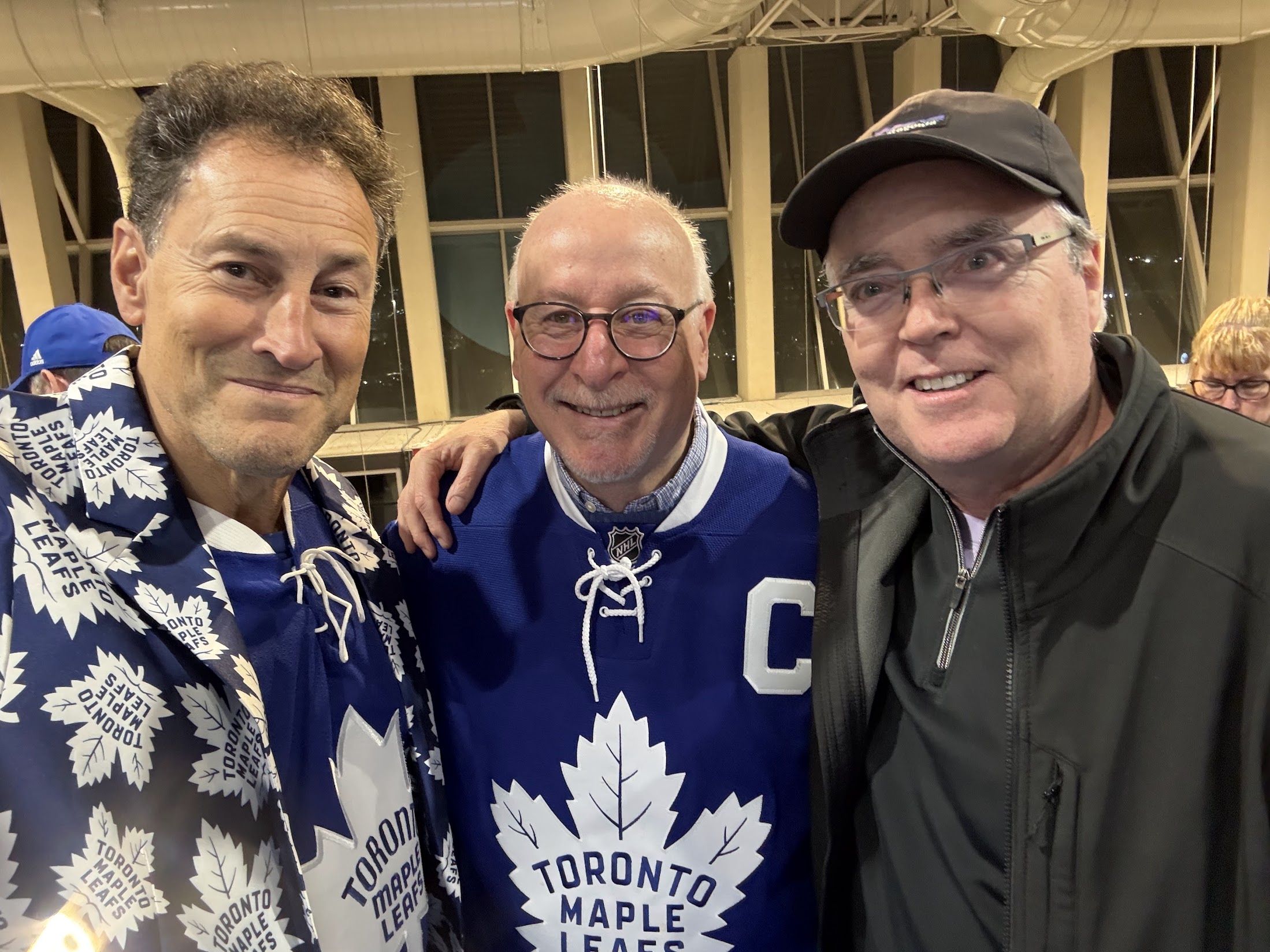
“Not the slightest bit,” Steve says cheerfully. “I’ve been around politics long enough to know that if it’s an ‘issue’ we’re covering it’s because it’s a 51-49 issue rather than a 90-10 issue. Most of the stuff going on in the world is complicated with sensible arguments on each side. I have no difficulty whatever maintaining my equanimity.”
Married for 25 years, Steve prefers keeping his private life private, but to underscore the point he is making about maintaining balance as a journalist, he takes a moment to talk about his children. “I like to kid about the fact that I have these four kids. The oldest is a Liberal, my second-born is a New Democrat, my third-born is a Marxist, my fourth-born is a Conservative—and they all have the same dad. It just goes to show that they’ve found their own paths and that makes perfect sense if you’ve grown up with them.”
Steve’s reputation for even-handedness has led to his appointment as moderator for nine election debates, both federal and provincial. It’s a role he enjoys, but he feels sympathy for American journalists coping with the likes of Donald Trump.
“The reality is that the moderator can aim to do the best possible job, but if there’s a candidate who simply doesn’t want to observe the rules of civility in a debate, there’s nothing you can do about it.”
Steve is so concerned about the “lack of civility in public life” he now volunteers with an international organization called Decency Matters. “There are a bunch of people from Ontario involved, including the former deputy premier, Christine Elliott, who really want to put decency on the public agenda. We have to really spread the word that it will be a better world if everyone treats each other decently.”