


By Janet Gray, CFP
For many Canadians, retirement is when you finally have time to see the world. Yay! But with a fixed income and rising travel costs, every dollar needs to work a little harder. The good news: There are plenty of ways to stretch a travel budget without giving up the trips you want to take.
 Don’t Miss Senior and Member Discounts
Just ask! One of the easiest ways to save is simply to ask. VIA Rail offers a discount for travellers 60 and older, BC Ferries offers reduced fares for B.C. residents 65 and older on certain routes, and Parks Canada has a Senior Discovery Pass. Also, CAA and CARP, both open to any Canadian, often add travel and attraction discounts. Carry ID and check current terms before booking.
Look for Attraction and Destination Savings
Many museums and heritage sites offer senior pricing, free days or city passes that aren’t always advertised. Check before you go. Where you go matters too: Some destinations cost noticeably less day-to-day and shoulder-season travel (late spring, early fall) brings lower airfares, fewer crowds and often weekly hotel rates that beat a short getaway’s nightly price.
Try a Home Exchange
If you own a home and don’t mind sharing it, a home exchange can cut accommodation costs to nearly zero. Sites like HomeExchange and People Like Us connect members who swap homes for an annual fee, with no money changing hands. Swaps can be simultaneous or non-simultaneous with no need for timing to match up.
Many retirees say the real appeal is living like a local—full kitchen, laundry and neighbourhood tips included. Before agreeing to a swap, confirm with your home insurer that your policy still applies, and put the arrangement in writing.
 Consider Boondocking, If You RV
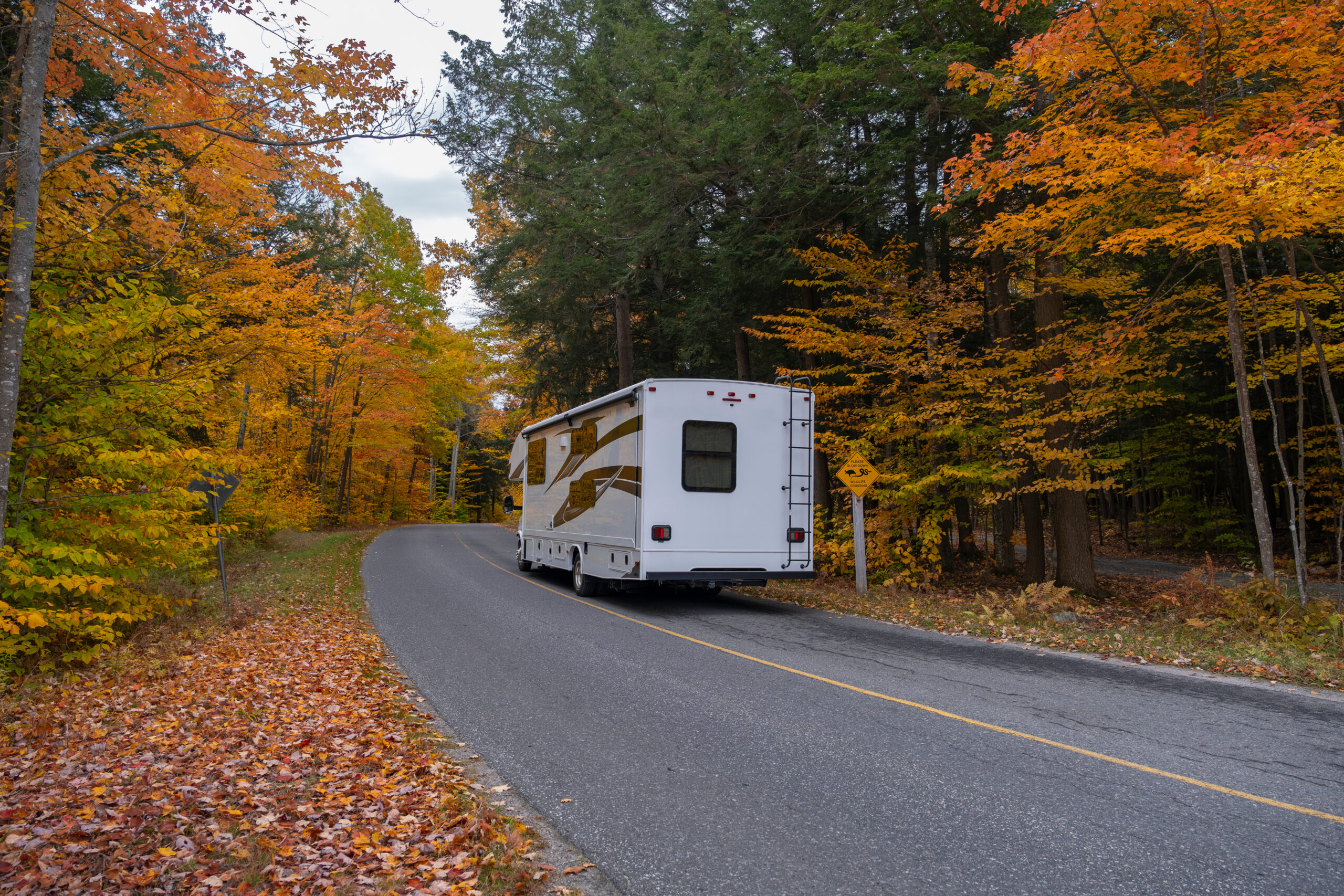
For RV travellers, boondocking—camping without water, sewer, or electrical hookups—can turn an expensive road trip into a nearly free one. Campground fees often run $40 to $50 a night, so skipping them even part of the time adds up. Fellow boondockers sometimes allow others to stay on their home driveway or property.
Canadian citizens can camp on some Crown land for free for up to 21 days in most provinces (14 in some). Apps like Campendium, WikiCamps Canada and iOverlander, plus Backroad Mapbooks, help locate legal sites and dump stations. Many truck stops, including Flying J and Petro-Canada, also welcome overnight parking. Always check posted signage and arrive self-sufficient since amenities are usually minimal or non-existent.
Watch the Exchange Rate and Insure Your Trip
Rates move constantly, so check before converting money or locking in costs. Avoid weak-rate options like airport kiosks. A no-foreign-transaction-fee credit card helps and when abroad, choose to pay in local currency rather than “dynamic currency conversion” at the terminal.
Travel medical insurance is not optional, either. Provincial health plans offer limited or no coverage outside Canada, and an emergency abroad can get expensive fast. Understand how your insurer defines a “stable” pre-existing condition, a common reason claims get denied, and always disclose your full medical history accurately.
Plan Transportation Costs
Car rentals add up quickly with insurance, fuel, taxes and fees. Compare against shuttles, trains, transit or ride services. Skipping the rental entirely sometimes saves more than expected.
A few habits help if you do rent: At your destination, buy an inexpensive cooler for snacks instead of buying them at every stop (leave the cooler behind at the end of your trip), fill up away from airports and tourist strips where gas costs more, and check whether a credit card already covers rental insurance before paying for it twice.

Pack Smart to Spend Less
A few small habits before you leave add up over a trip. Refillable toiletry bottles and a reusable water bottle cut down on pricey airport and hotel-shop purchases. Packing light enough to avoid checked-bag fees is another easy win. And downloading offline maps and translation apps beforehand avoids roaming charges if your phone plan doesn’t cover data abroad.
Set Aside a Travel Fund
One of the best ways to make travel affordable is to specifically set money aside for it. Labelling it a “travel fund” makes it feel intentional, which helps you stay within that amount instead of dipping into other savings.
Keep it simple: Move a set amount into a separate account each month, or earmark part of a tax refund or bonus for future travel. The goal is to make travel a planned expense, not a spontaneous one.
The best travel plan balances enjoyment, flexibility and financial comfort. A few smart choices before departure can make the trip more affordable and enjoyable.
Reliable Resources
- gc.ca
- canada.ca
- ca
- ca
- com; PeopleLikeUs.world