


Text and photos by Roland Bast
France has a way of making you want to keep going. One more town, one more château, one more vineyard, one more train.
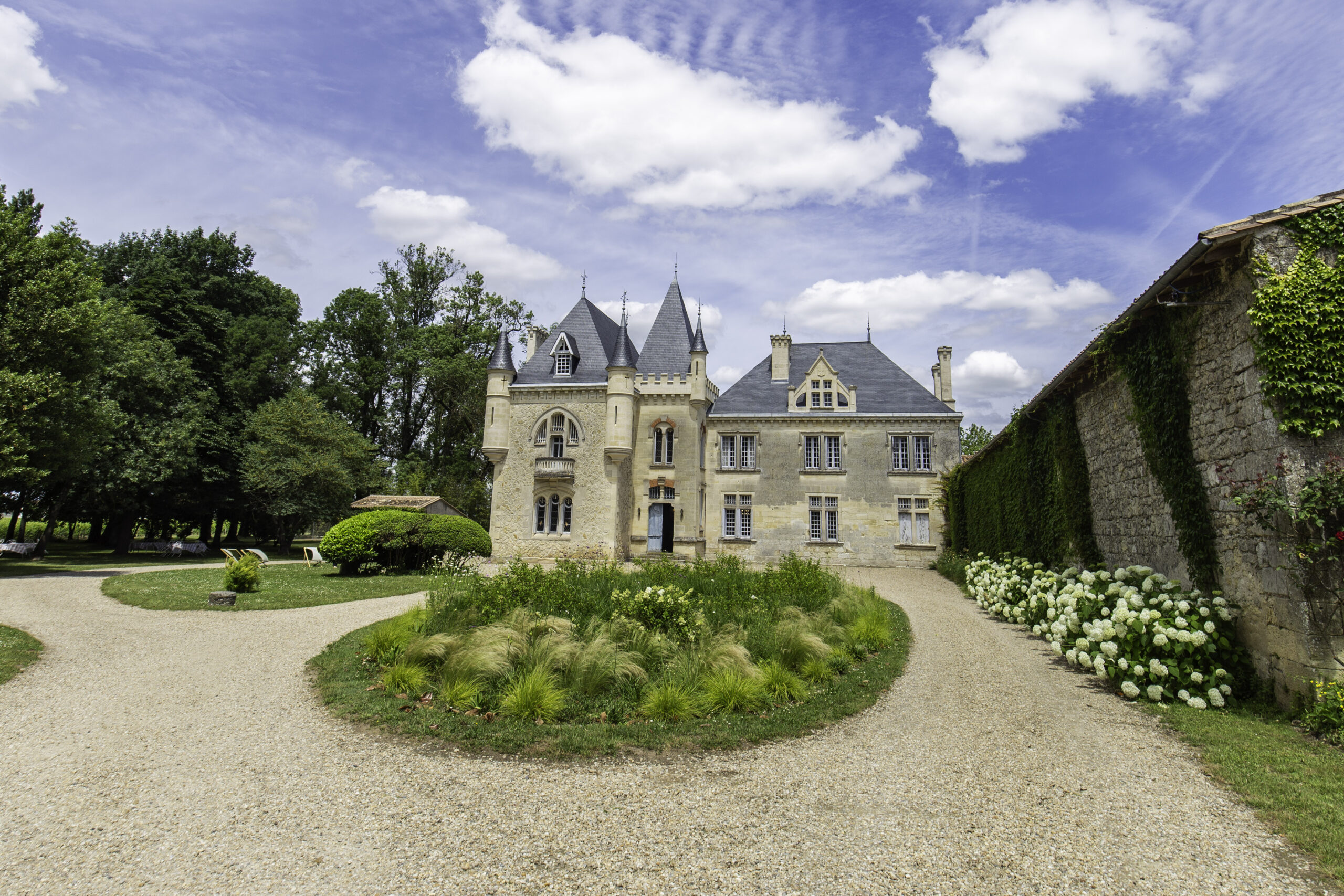
Nouvelle-Aquitaine convinced me to do the opposite. I moved through Poitiers, Cognac, Bordeaux, Saint-Émilion and the Périgord Noir, mostly by train, giving myself more time in each place instead of collecting destinations. I noticed more, stayed longer when something caught my attention, and some of the best moments were the ones I had never planned.
Poitiers was my first real surprise.
Compact and easy to explore on foot, it is a city where wandering works. Tucked along Grand’Rue in the historic center, La Fabrique de Parapluies François has been creating and repairing umbrellas since 1882. Five generations later, the family continues the tradition in the same workshop. That kind of craftsmanship is not displayed for visitors so much as simply carried on.
From Poitiers, I took the train through Angoulême to Cognac, where the trip shifted into a slightly more luxurious gear.
At Hôtel Chais Monnet & Spa, my room opened onto a patio facing manicured gardens. Later, the rooftop bar offered a completely different view as the afternoon light gave way to sunset.
Dinner at Les Foudres was another reason not to rush. Set inside a former cognac cellar, the restaurant feels connected to the town before the first course arrives. Staying at the table a little longer seemed more important than thinking about the next stop.
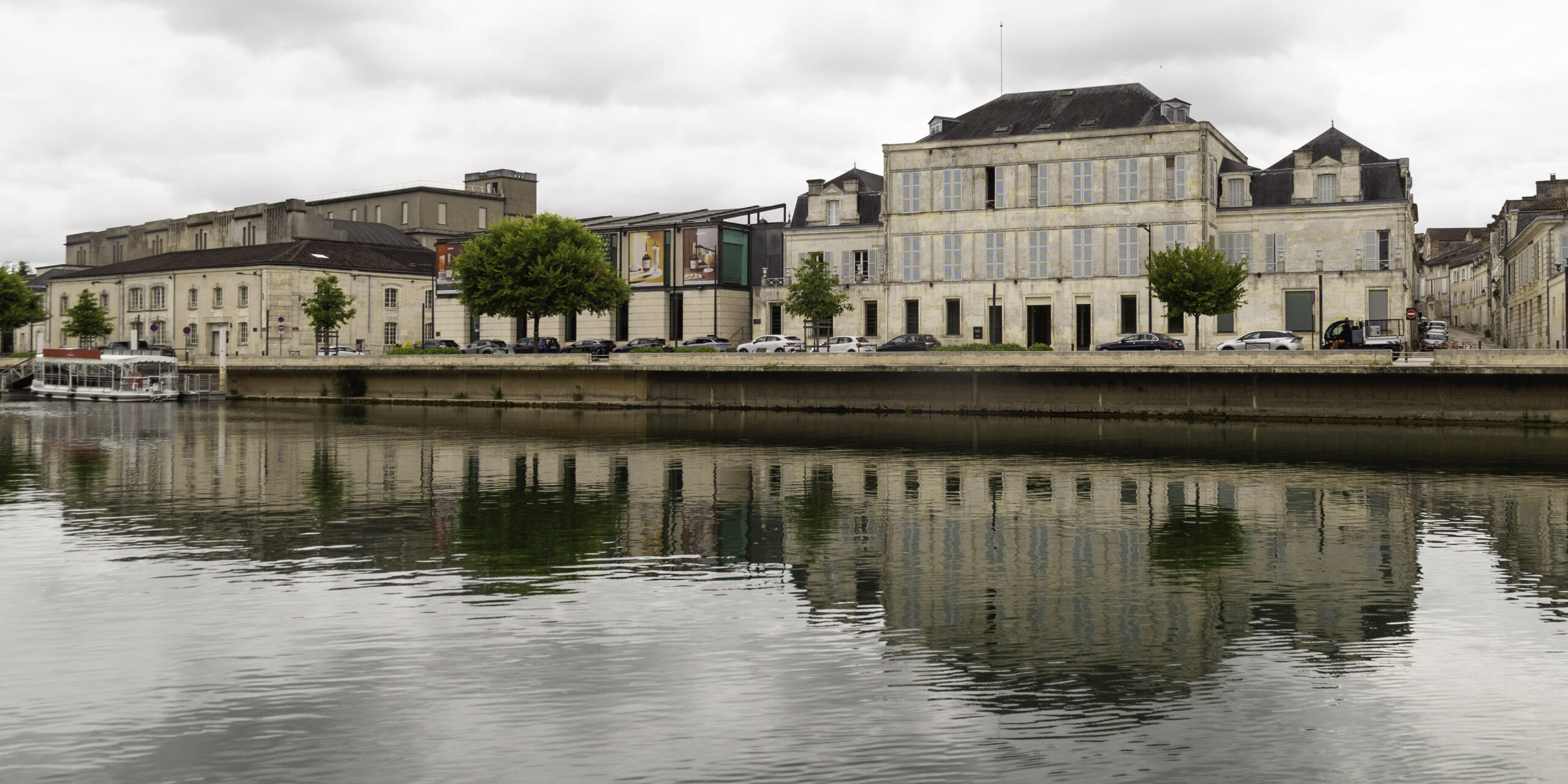
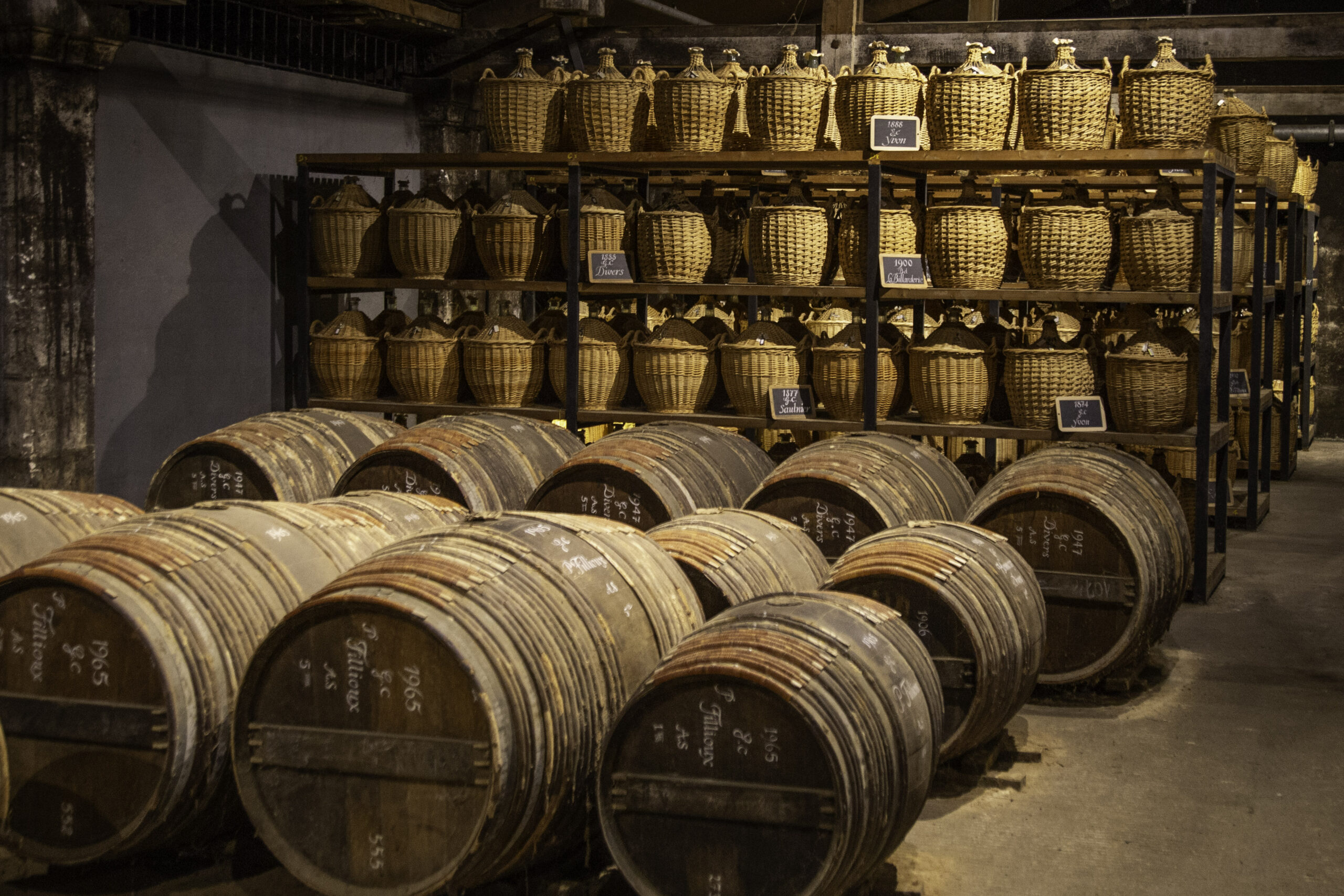
Cognac is surprisingly easy to discover on foot. The Charente River is quiet now, but it once carried barrels of cognac far beyond the region. At Maison Hennessy, I found the story as interesting as the spirit itself: Aging, patience and generations of craftsmanship.
Nothing about cognac is rushed. The same could be said for this kind of travel.
By train, I continued to Bordeaux, where the historic centre is recognized as a UNESCO World Heritage Site. Place de la Bourse, the Miroir d’Eau and the Grand Théâtre make a strong first impression, but Bordeaux became more interesting once I wandered away from them.
In Saint-Pierre and the surrounding streets, I started seeing the city people actually live in. Near Books & Coffee, I found La Recharge, where customers shop with less packaging, and Nous Anti-Gaspi, which sells food that might otherwise be discarded. Nothing about it felt staged for visitors. It simply looked like part of neighbourhood life.
That evening, ComplanTerra introduced me to another side of Bordeaux wine culture. Organic and biodynamic wines were served without making the experience intimidating or overly formal. Bordeaux wines without all the ceremony—and possibly the best blue cheese I have ever eaten.
Then I traded the railway for two wheels.
With A La Française, I covered roughly 15 to 20 kilometres through the vineyards by e-bike. The electric assist made the ride comfortable and accessible without taking away from the feeling of moving through the landscape.
A bicycle changes what you notice. Villages feel connected to the vineyards around them, and smaller details come into focus, including rose bushes traditionally planted near vines as early warning signs of disease.
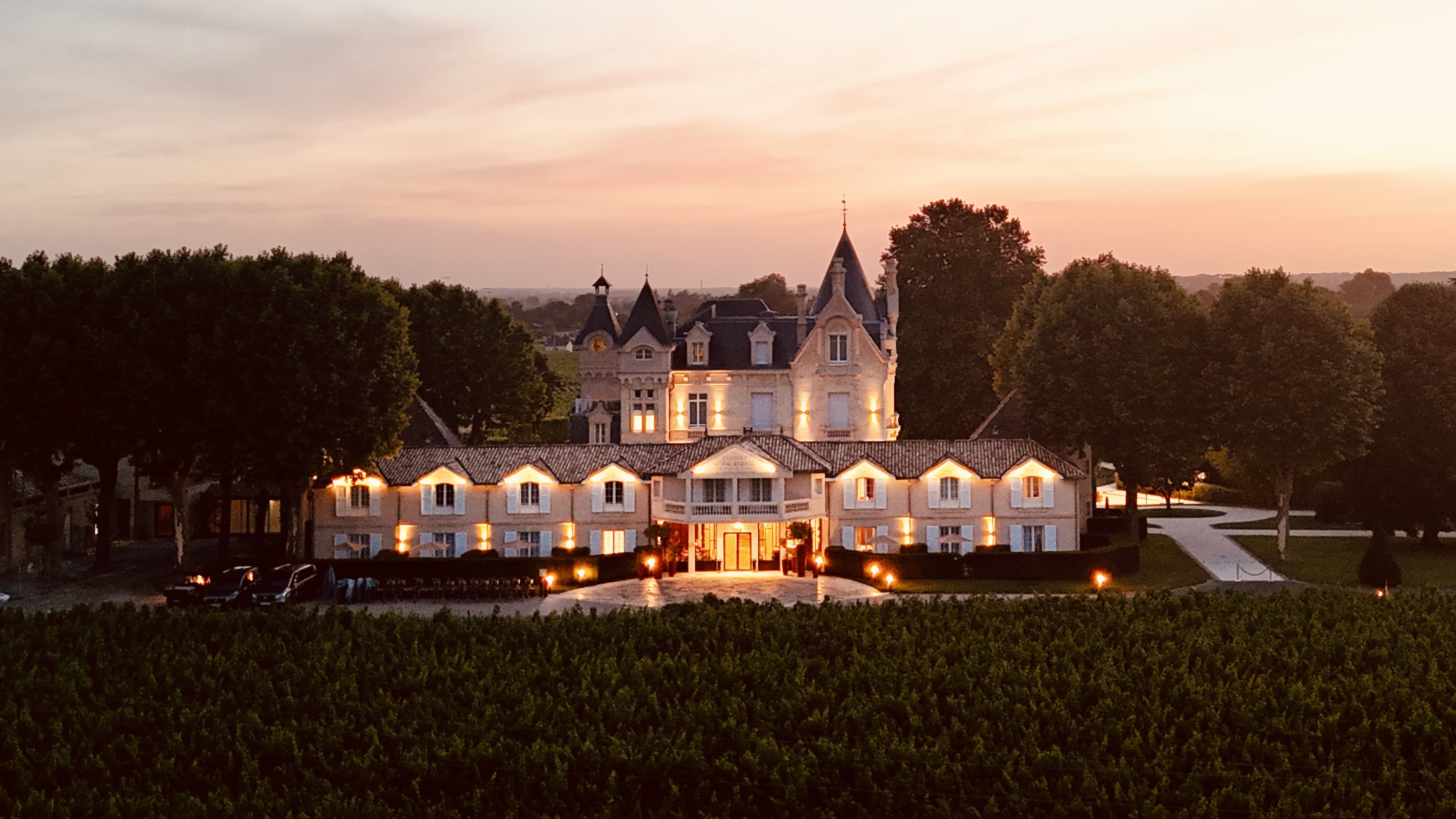
Saint-Émilion is another place where you’ll want to resist the urge to rush. Hôtel Château Grand Barrail sits among vineyards and gardens, roughly a 20-minute e-bike ride from the medieval village. Between the pool, spa, gardens and resident swans, there was little reason to hurry away.
Chais Monnet and Grand Barrail gave the trip its luxury moments, but travelling slowly does not require a luxury budget from beginning to end. Regional trains, walking, coffee stops and cycling were just as important. The pleasure is choosing where to splurge and where simply having time is enough.
The Périgord Noir changed the mood completely.
Around Les Eyzies and Sarlat, the story stretches far beyond medieval France. At Grand Roc, water and limestone have created an underground world of stalactites and mineral formations. Nearby, Laugerie-Basse brings you face-to-face with a much older human history through its archaeological remains and rock shelters.
Lascaux adds another layer. Château de Commarque rises almost hidden in the countryside—a medieval site awarded three stars by the Michelin Green Guide, while the Jardins de Marqueyssac invite you to wander through sculpted gardens and viewpoints over the Dordogne Valley.
In this part of France, your sense of time changes.
I stayed at Hôtel Les Glycines & Spa in Les Eyzies before moving on to Sarlat, where limestone buildings, markets, narrow streets and hidden courtyards make getting a little lost part of the fun. I took a long walk, lost track of where I was going and ended up experiencing a sunset I never could have planned.
I went expecting the wine, history and beautiful towns. What surprised me was how much I enjoyed the spaces between them.
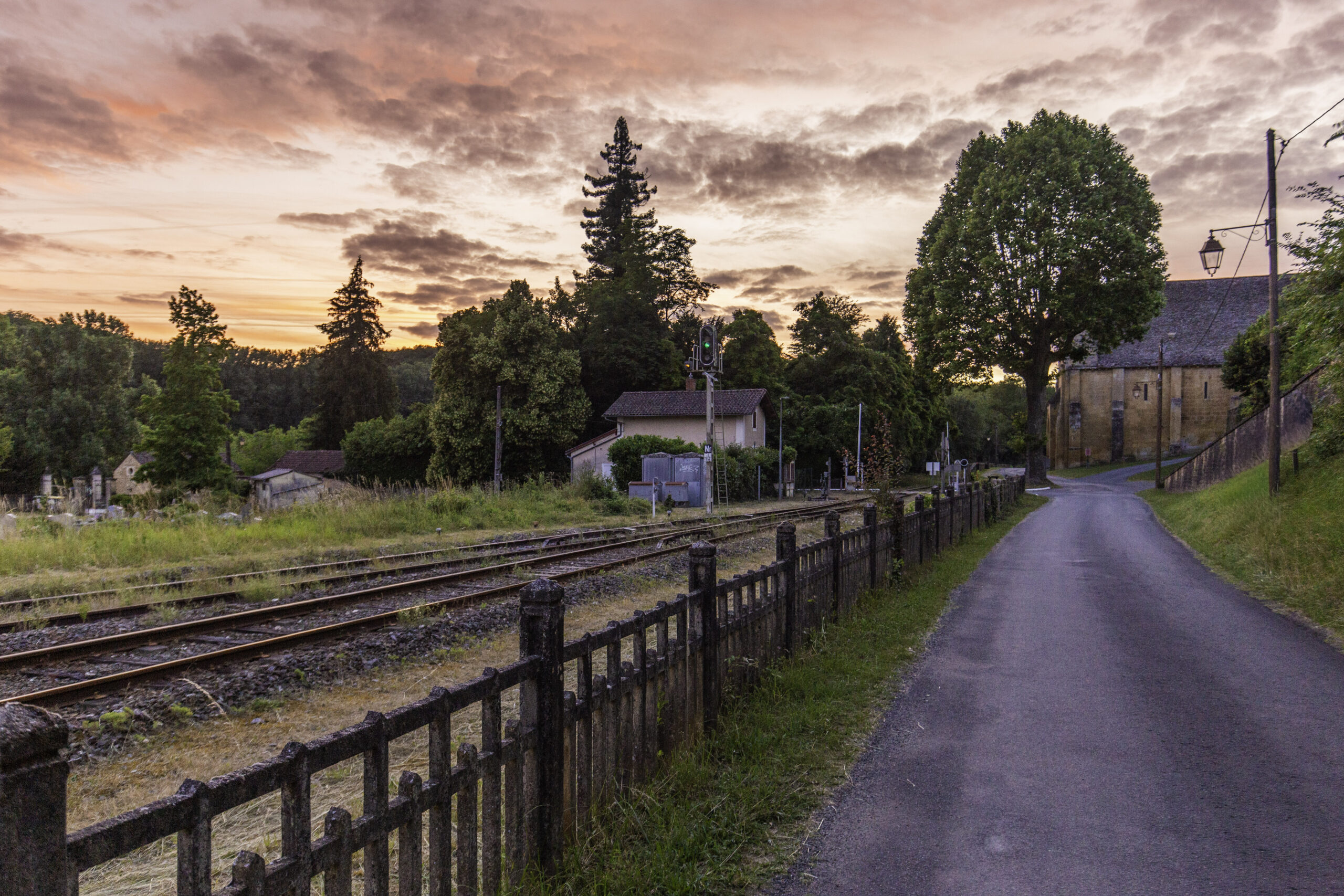
That may be what has stayed with me most about Nouvelle-Aquitaine: Not simply the hotels, wine or food, but having enough time.
Time for the train. Time for e-biking through vineyards. Time for one more course at dinner, a coffee with nowhere else to be, an unexpected shop or the longer route through a garden.
Nouvelle-Aquitaine is enormous. Trying to see all of it would be missing the point.
The better journey begins when you stop trying.