

By Iris Winston
The birds are watching. They must be ready and waiting, as they hurry into my backyard as soon as the feeders have been filled.
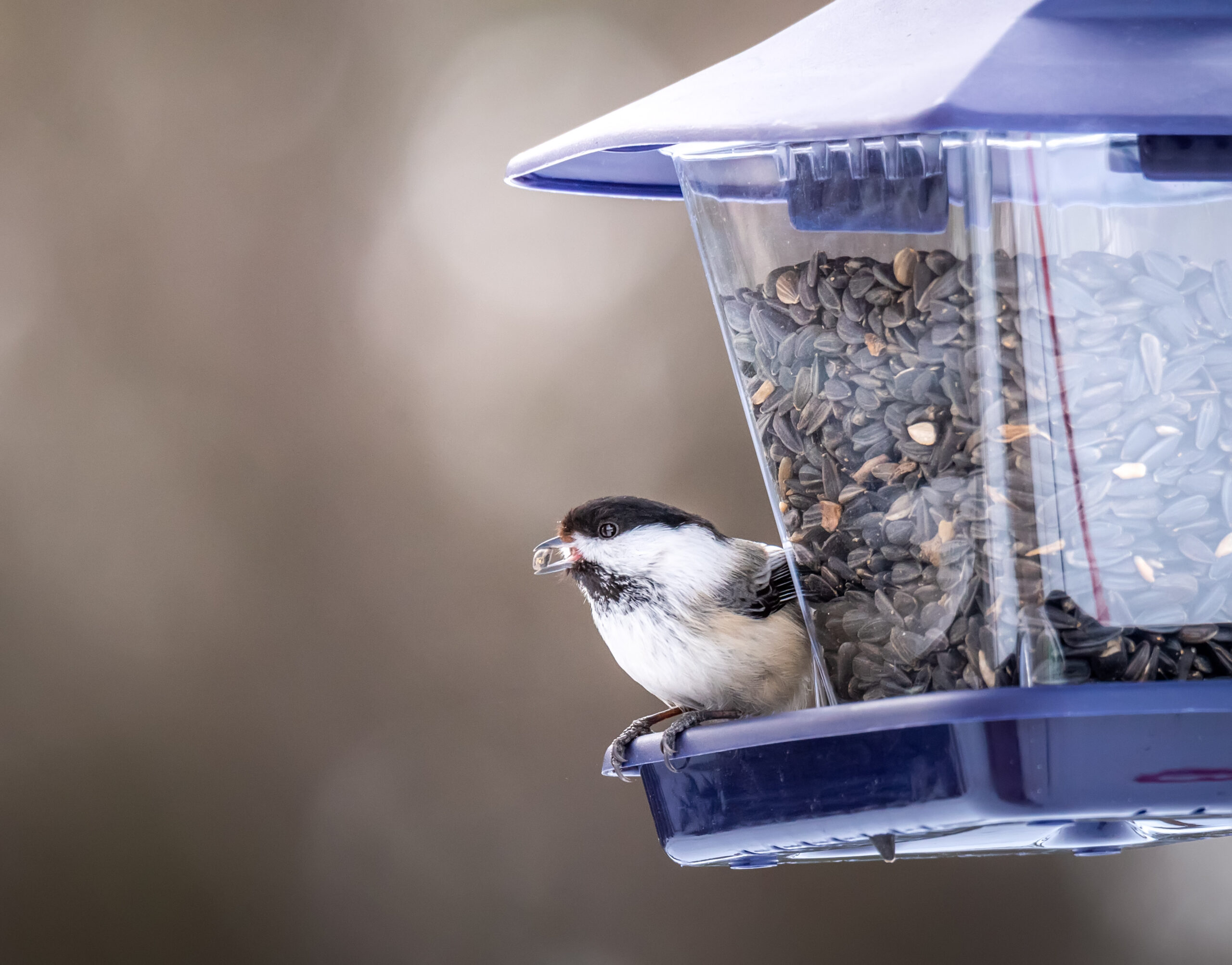
As they enjoy the seeds, so I like watching my winged visitors. I am also amused by the athletic squirrels and chipmunks, who assume that they have equal rights to any seeds and peanuts on offer.
I am happy that no one is questioning this type of activity in the municipality of Mississippi Mills. It’s a different story in many other cities and towns across Canada, where fines, ranging from $200 to $100,000, are levied on people feeding any wildlife. Here, there are no bylaws explicitly prohibiting bird feeders, although, in line with many municipalities, feeding wild animals is generally discouraged.
The approach is very different in Gatineau. In a recent case there, a bylaw officer warned a resident that she could be fined $400 the next time she filled the bird feeders on her property. While he said that the bylaw was not intended to target small songbirds, despite stating that “no one shall feed or attract birds on any property,” he told her that it was meant to apply to squirrels and larger animals, rather than small songbirds, though any bird feeder must be squirrel- and wildlife-proof.
Try explaining that to the squirrels.
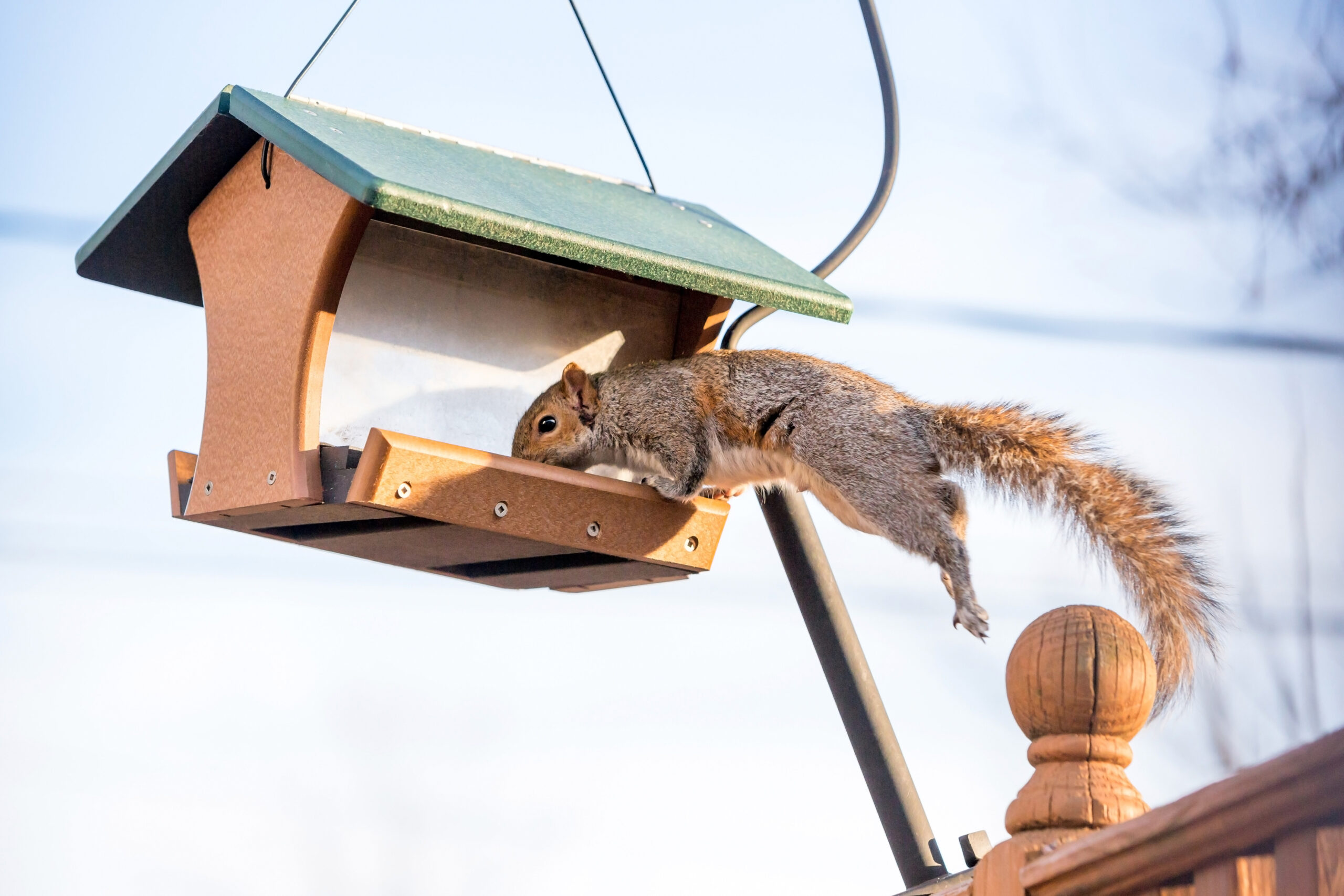
Some years ago, Leonard Lee, the founder of Lee Valley Tools, told me a story about a supposedly squirrel-proof feeder he had invented. He received a photograph from a purchaser in Saskatchewan, showing a busy squirrel feasting while on one of his feeders. With the refund that he provided, Lee enclosed a note saying that he was sorry that Saskatchewan squirrels were illiterate and promised that in future these feeders would be described only as being squirrel deterrent.
Even though other opportunistic animals may be less enterprising, they will take advantage of easily available food sources. This is why many of the bylaws include bird feeders in their regulations. The reasons offered for discouraging the feeding of wildlife include concern about wild animals becoming dependent on food provided by humans, which may not be healthy for them. They also note that when critters gather around a food source in large numbers, the risk of transmitting animal and human disease may be increased. Danger of conflict with human beings and attacks on pets are also cited if large wild animals are too close for comfort.
The invasion and destruction of habitats are rarely given as likely reasons for wild animals being forced into spaces closer to humans, though habitat preservation is of major concern to animal lovers. Simply put, the issue of displacing wildlife because of building development on what was once their land deserves our immediate attention, while the feeding issue seems to be of secondary consequence.
However, given the growing number of cities imposing fines for feeding wildlife and often scooping the feeding of birds into the mix, there is no doubt that city councils worry less about the loss of wildlife habitat and more about raccoons, foxes, coyotes and other animals coming closer.
Some cities, such as Saskatoon, make a clear exception for backyard bird feeders in a bylaw prohibiting wildlife feeding. Vancouver’s bylaw, on the other hand, prohibits feeding wildlife — including birds — anywhere in the city. Other cities rely on complaint-based action. In Toronto, for example, a bylaw enforcement officer follows a complaint with investigation and education before imposing a fine. Several bylaws note the importance of maintaining sanitary conditions and clearing spills around backyard bird feeders, even if exceptions for songbirds have been noted.
The City of Ottawa prohibits the feeding of wildlife in public parks and is considering expansion of this bylaw to include birds. Feeding wildlife in Hamilton could incur as much as a $10,000 fine for a first offence and $25,000 for a second. Mississauga’s maximum penalty for feeding wildlife is $100,000.
While it is unlikely that massive fines such as these would be imposed on people feeding small birds in their own backyard, lawmakers of any type should “say what they mean and mean what they say.” (A slight paraphrasing of the March Hare’s comment to Alice in Wonderland.) Any exclusions should be made perfectly clear and impossible expectations should not be presented in the text.
I know that if I take a little time today to check out winged activity around the bird feeders at the end of my yard, I will probably glimpse one or two of those busy squirrels unfamiliar with the general trend of bylaws against wildlife feeding.
Almonte, Ontario, writer Iris Winston is a former executive director of the Canadian Federation of Humane Societies. She has been an animal lover all her life. Her pets have always been important members of her family.