


By Dan Lalande
Coming of age just after the war, Roger Price, son of Southport, UK, enjoyed his closest friendship with a pair of Germans. “We got along so well,” Roger recalls, “it was inconceivable to me that, just a few years earlier, our parents were trying to kill each other. It was then that I started to theorize that maybe children were a higher level of human evolution.”
 That notion was reinforced a decade later, after Roger caught French filmmaker Francois Truffaut’s The 400 Blows, a moving condemnation of the familial and institutional debasement of modern youth. Entering his professional years, war baby Roger staged a battle of his own. His lifelong enemy would be anything that failed to respectfully recognize the colourful character of the young.
Price’s primary target would be the media. Children’s radio may have been popular in Britain at the time, but the saccharine insincerity of it struck him as an offense. Looking to break into the business as a one-man corrective measure, he was informed to target the coming wave instead: Television.
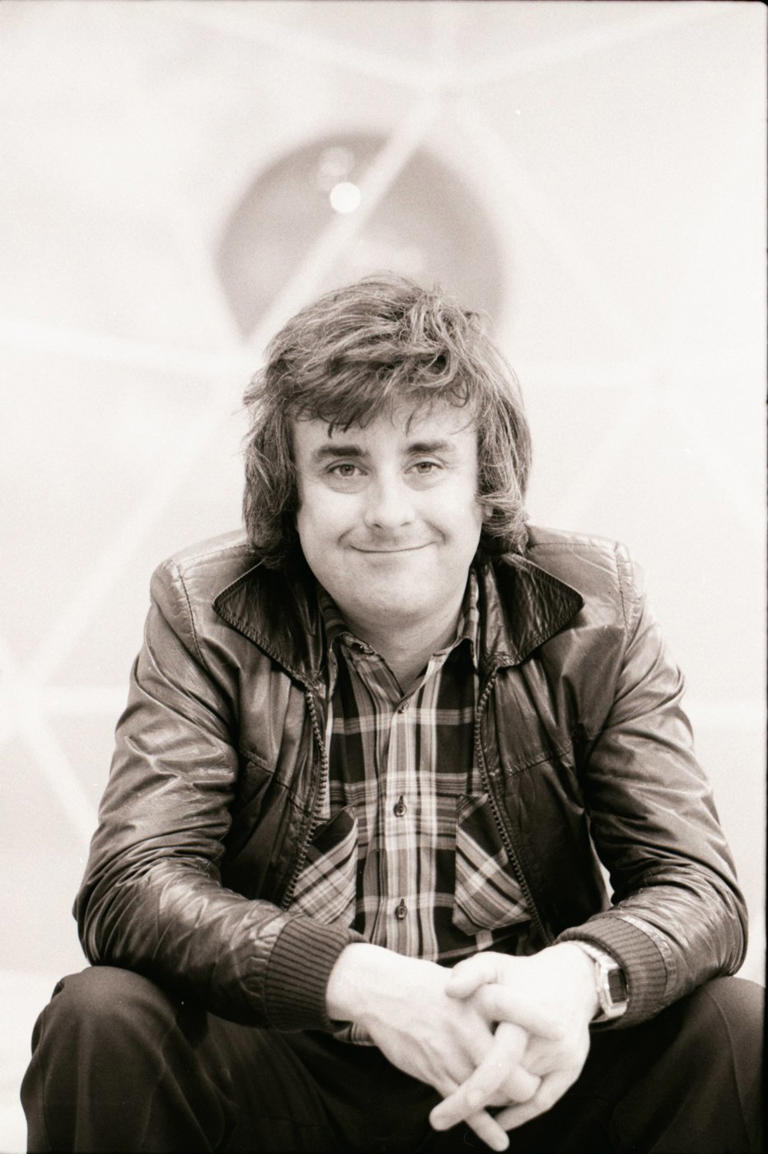 The host of Roger’s first small-screen kids’ program, broadcast live, once signed off by saying, “It’s a beautiful day today, children—so turn off the television and go out and play!” That earned Roger a nervous audience with British media mogul Sir Lew Grade, who explained to him that there was no problem with the host’s ad hoc directive. The problem was the missing addendum: “…right after the next block of commercials!” It was yet another reminder to Roger that the industry’s supposed valuation of children was, in actuality, a self-serving proposition.
 In time, though, Roger the Reformer made his mark—first on home soil, then in Canada. When a BBC executive overheard his stinging critique of the network’s pre-teen programming, Roger was defied to come up with a better idea and a suitable budget. The result was rooted in that fanciful theory Roger still held about children: The Tomorrow People was a sci-fi series about a race of typical-looking kids with paranormal abilities and a pacifist agenda. It enjoyed a six-year run, a three-year revival, and audio, book, and music tie-ins.
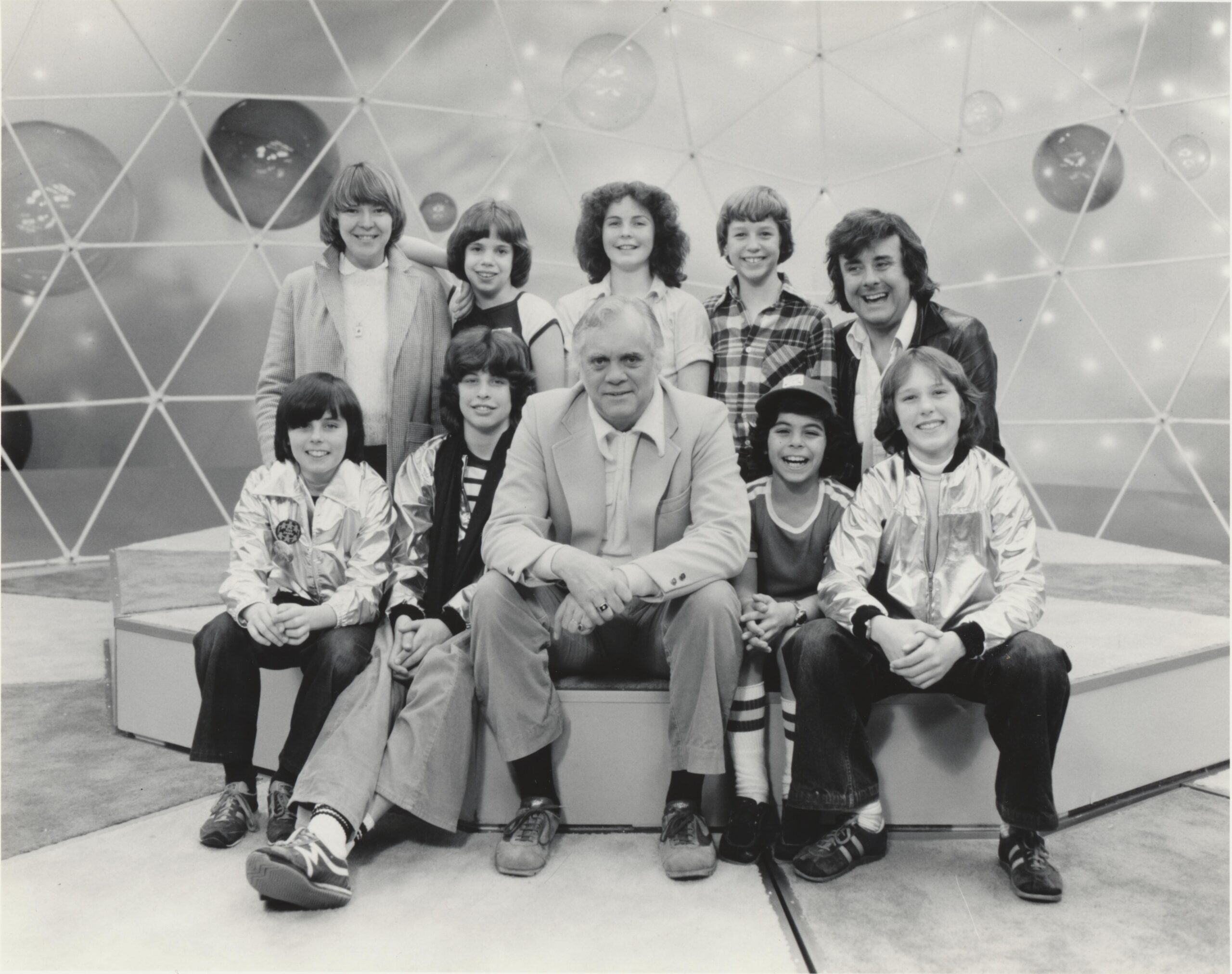
Canada took notice. Looking to lure foreign talent to the Great White North to boost Canadian content, the Canada Council headhunted Roger Price. After the Department of Immigration gave Roger a hard time, no less than the then Prime Minister, Pierre Elliott Trudeau, pulled the strings it took to land him. Price arrived at Ottawa’s CJOH studios, looked around, and informed those in power that their infrastructure could only support the kind of programming by which it had made its name: interview and cooking shows. Defied yet again to come up with a more exciting, doable alternative, Price presented a zippy sketch series in which a gamut of pre-teens amusingly probed their distinct brand of angst in their own language. Upon reading it, Price was told, “You can’t do that on television!” to which Price replied with his self-amused laugh, “Thank you for giving me the title.”
The now legendary You Can’t Do That on Television kicked off as a live show. “I wanted it to be live because nobody knew what they were doing,” Price explains. “By doing it live, their mistakes would be on the screen. It would be the fastest way that they could learn.” Learn they did. By the time the show converted, bug-free, to tape, it was not only a hit across the CTV network, it helped establish the fledgling U.S. interest that had picked it up: Nickelodeon. Even today, the show’s iconic “green slime,” originally poured over the heads of unwitting cast members, serves as the network’s unmistakable trademark.
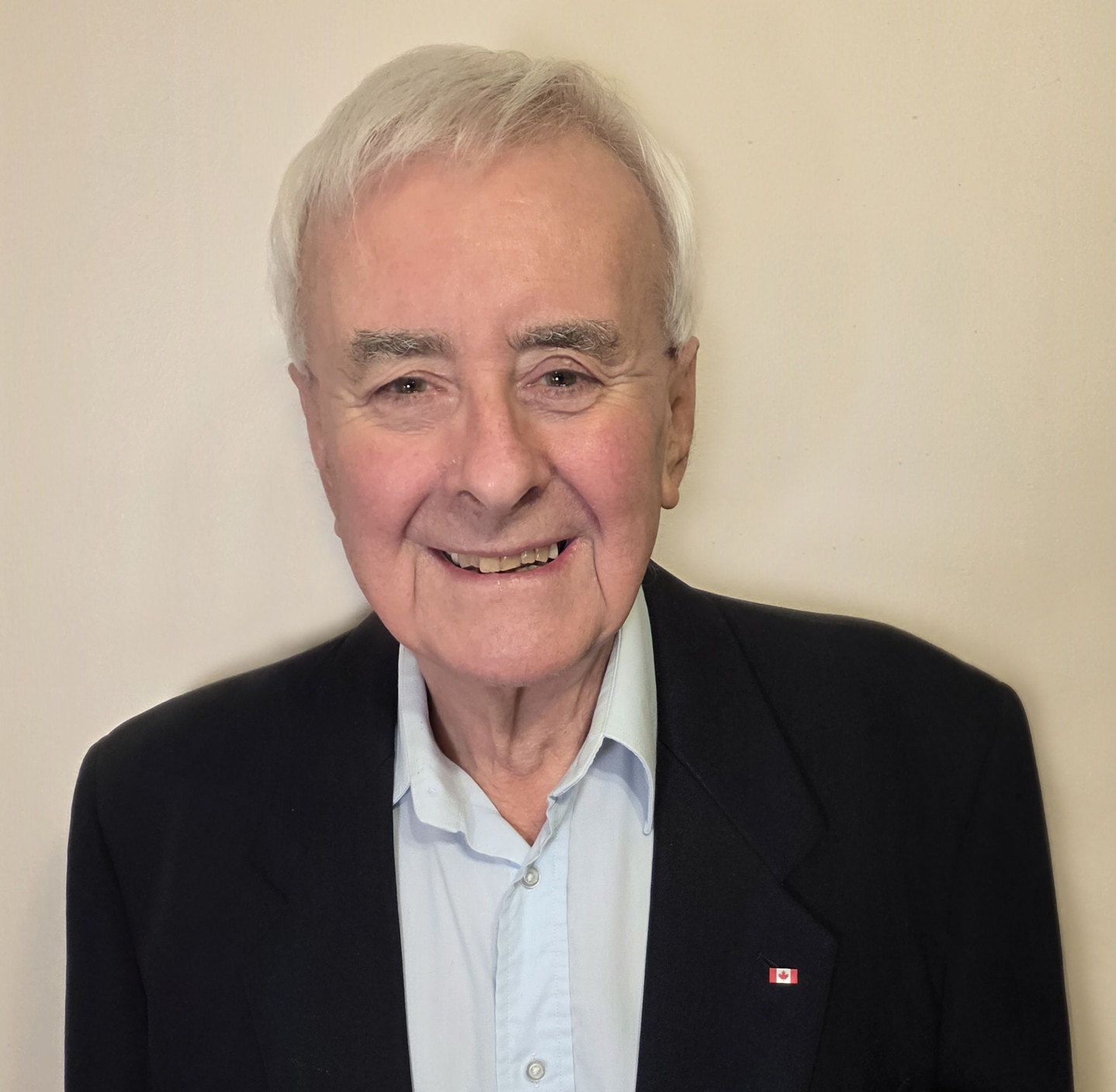
More detailed versions of these stories are available via Roger’s autobiography-in-progress, available via RogerDamonPrice.com or YouCantDoThatOnTelevision.ca. From his bungalow in Ottawa’s east end, Roger sips his tea—diligently prepared by his obliging roomie, Billy Knave, administrator of You Can’t Do That on Television’s online fan base—while typing away under the certificate announcing his latest milestone: the Order of Canada. As if the hit programs he created on both sides of the pond aren’t enough, his adopted country has taken it upon itself to reward him for his outstanding contributions to children’s television. “It’s very nice,” Roger says with typical English modesty. After that, he insists on showing me the photographs he’s inserting into his upcoming book: shot after shot of himself in the company of past You Can’t Do That on Television cast members, each of whose name he remembers.
The children. Always the children.