


By Brigitte Hasbron
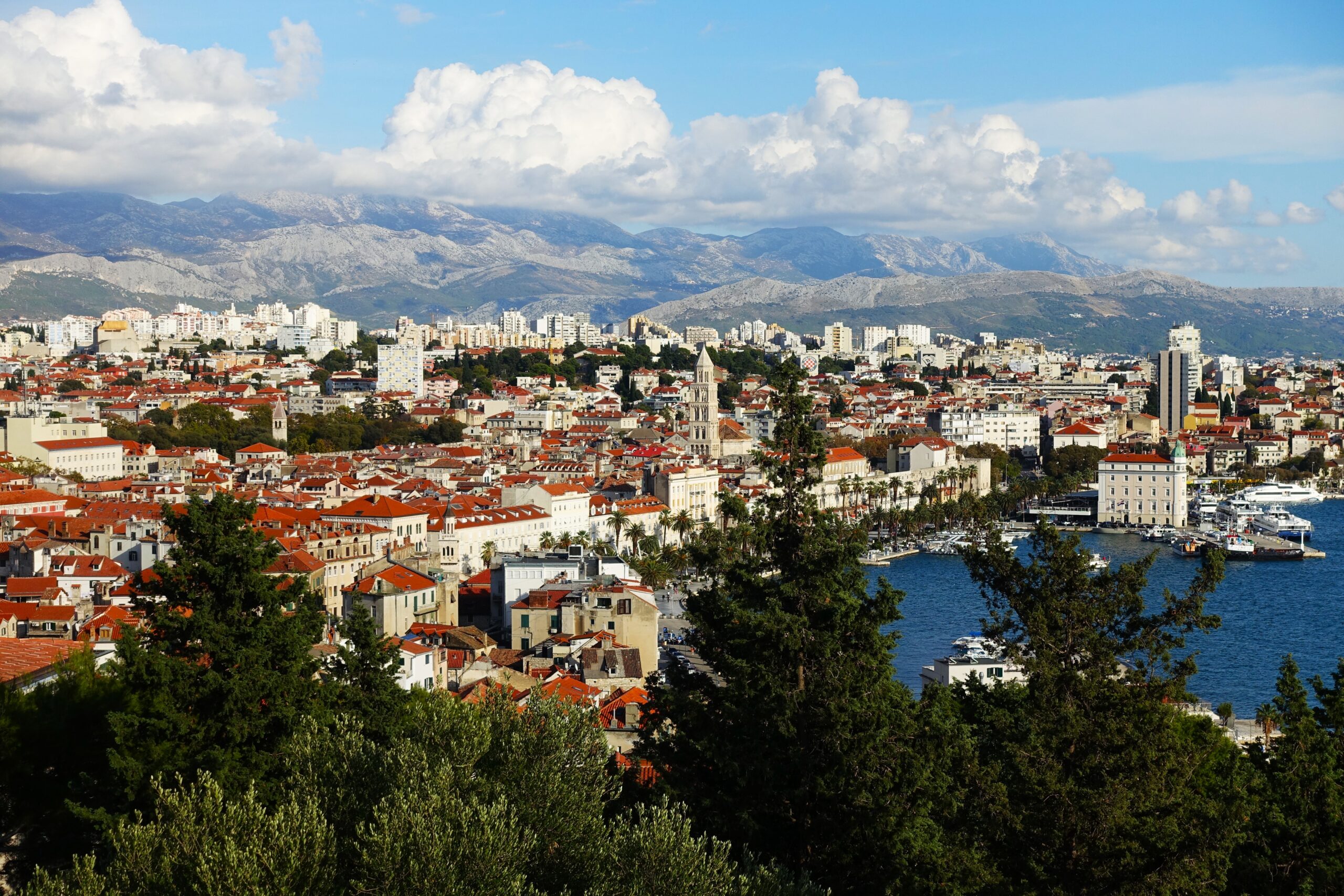
Few destinations combine history, island life and memorable cuisine like Croatia. After visiting, I can confidently say it exceeded my expectations. Along the Dalmatian Coast, ancient Roman ruins sit steps from lively waterfront promenades, while nearby islands offer pristine waters, rich cultural traditions and a pace of life that urges you to slow down. From the historic streets of Split to the bright shores of Hvar, I discovered a region where history, island life,and great food come together naturally.
Split
If you love uncovering narratives from the past, I think Split is likely to win you over. Croatia’s second-largest city has grown around Diocletian’s Palace, an extraordinary Roman complex that has been the heart of the city for nearly 2,000 years. Stroll through a maze of narrow stone streets, hidden courtyards and centuries-old buildings within this UNESCO World Heritage Site.
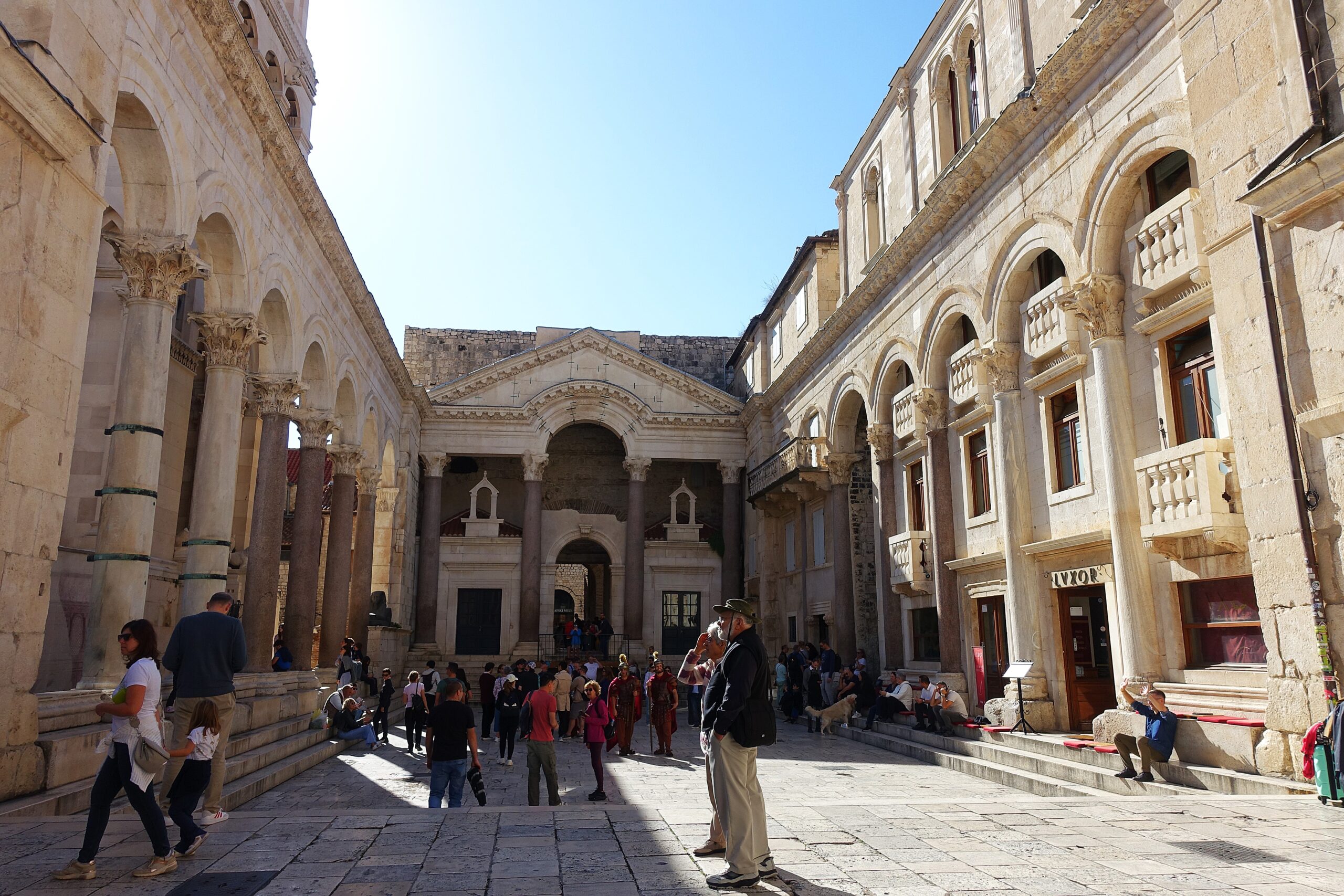
Diocletian’s Palace isn’t a museum frozen in time; it’s a living part of the city. More than 3,000 people still call the palace home, sharing its ancient walls with cafés, restaurants and local shops. As you explore, treat yourself to gelato from one of the many ice cream shops and soak up the atmosphere. Game of Thrones enthusiasts will also recognize the palace, where several scenes from the series were filmed.
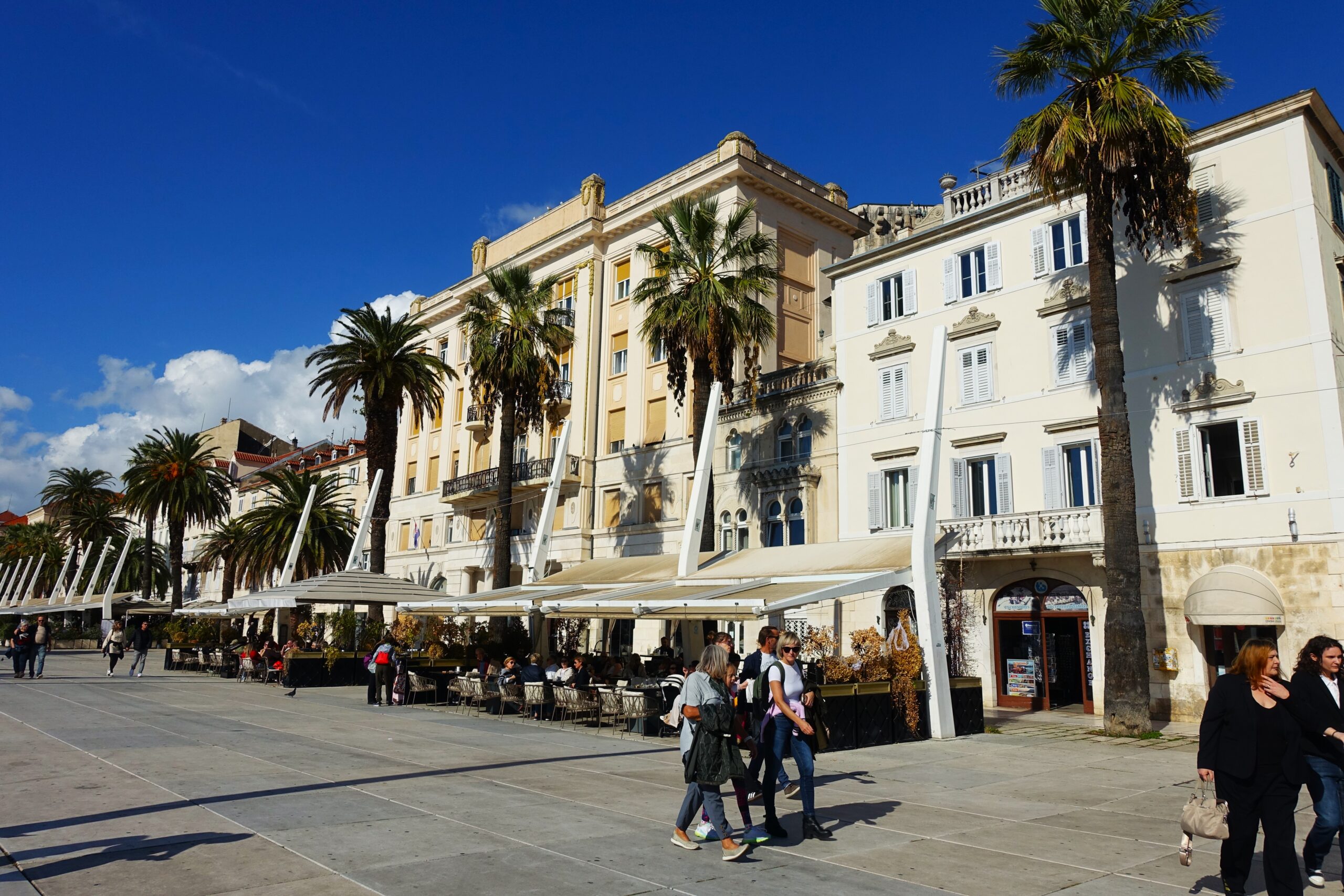
After exploring the palace, I made my way to the iconic Riva promenade, where Split’s waterfront energy takes centre stage. Framed by palm trees and lined with cafés and restaurants, this lively gathering place offers sweeping views of the Adriatic, nearby islands, and surrounding mountains. For a different perspective, make your way up Marjan Hill, where the climb rewards you with spectacular views of Split, its harbour and the sparkling Adriatic.
Hvar
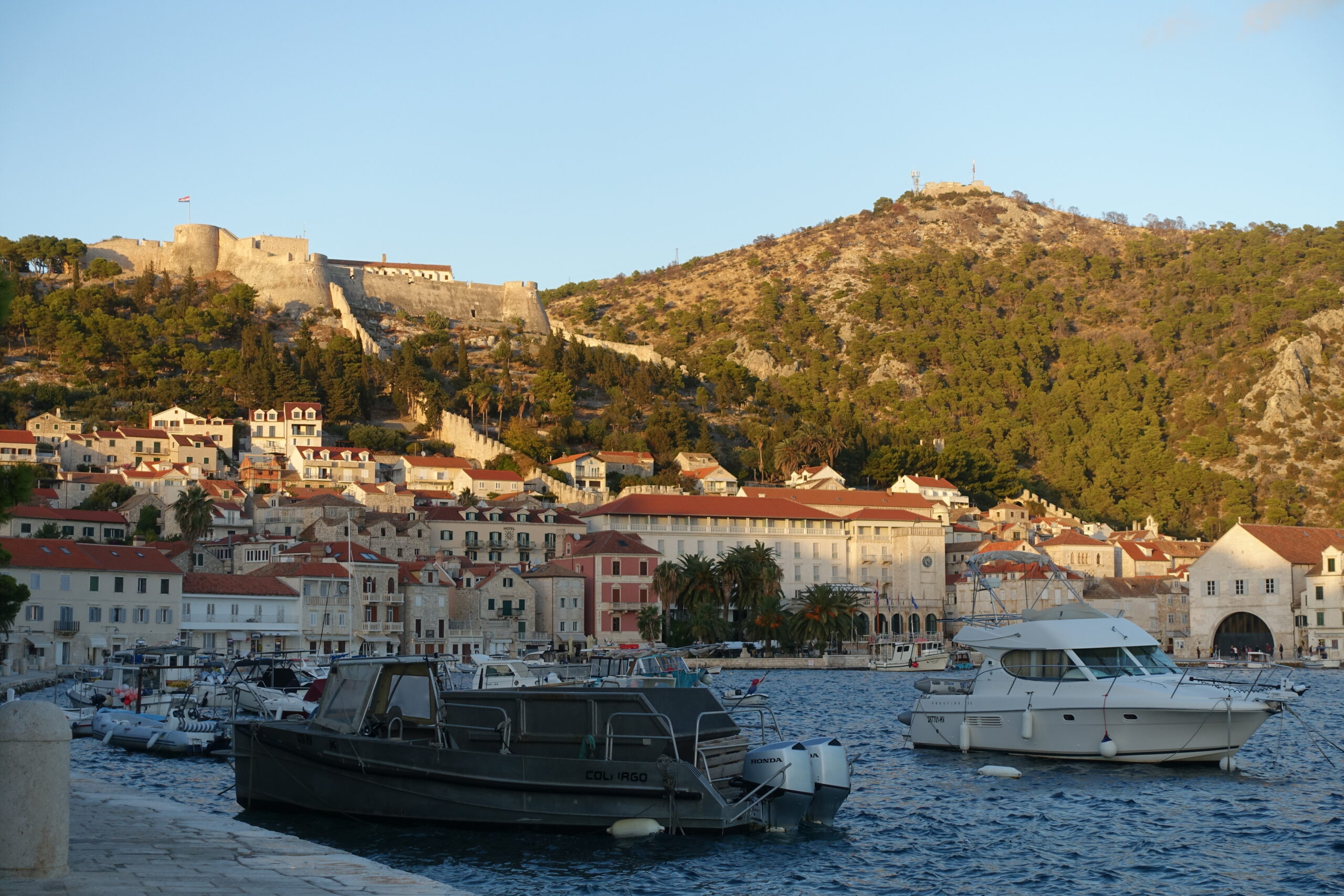
Known as Europe’s sunniest island, Hvar is a short ferry ride from Split but feels like paradise at every turn. From the moment I arrived, I understood why so many travellers fall in love with it. With lavender-covered hills, stone villages and a lively waterfront, Hvar feels both relaxed and polished.
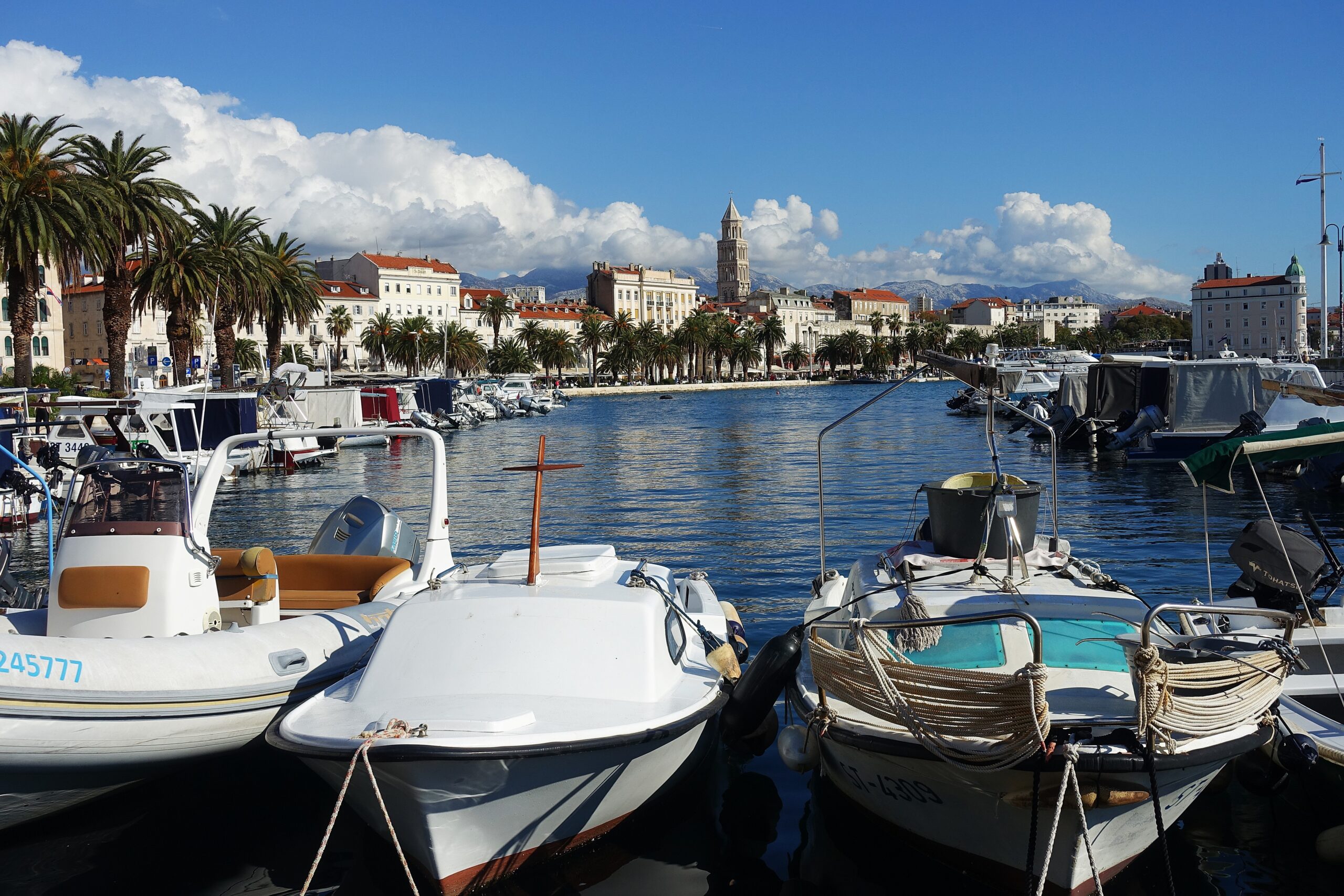
Hvar is not just beautiful but also one of Croatia’s most culturally significant islands. Home to several UNESCO-recognized traditions, including heritage linked to the Mediterranean Diet, it offers much more than beaches and scenic views. Spend your days wandering the cobbled streets of Hvar Town, exploring lavender fields, joining cultural tours or discovering secluded coves by boat. I loved how easy it was to move between historic sites, breathtaking scenery, and quiet moments by the sea.
Add outstanding seafood, local wines and a laid-back Mediterranean lifestyle, and it’s easy to see the island’s ongoing appeal. To experience Hvar at its liveliest, visit between spring and early fall, as many hotels, restaurants, and tourism services close from late October through March.
Culinary Scene
Croatia’s geography and history shape its culinary traditions. Along the Adriatic coast, seafood takes centre stage, while inland regions are known for hearty meat dishes influenced by Mediterranean, Central European, and Balkan cuisines. One of the country’s most celebrated specialties is pašticada, a slow-cooked beef stew rich in flavour and tradition.
On Hvar, food is closely tied to the UNESCO-recognized Mediterranean Diet, a way of life firmly rooted in the island’s culture and history. Fresh seafood, locally produced olive oil, honey, seasonal vegetables and regional wines form the foundation of many meals. One of the island’s signature dishes is gregada, a traditional fisherman’s stew made with fresh fish, potatoes, olive oil and herbs—simple ingredients that reflect Hvar’s authentic gastronomic tradition.
For those in search of unique culinary adventures, Croatia does not disappoint. One of my favourite experiences was venturing into Dalmatia’s forests on a truffle hunt, where trained dogs expertly sniff out these prized delicacies hidden beneath the forest floor. The adventure ends with a multi-course feast showcasing truffles in every imaginable way, from truffle-infused honey and liqueurs to beautifully crafted dishes. It’s true bucket-list experience.
Hvar shares this same passion for local flavours. Whether you’re sampling award-winning olive oils, enjoying a farm-to-table dining experience rooted in local traditions or joining a guided wine tasting, there are countless ways to discover this country through its culinary heritage. Every meal tells a story and offers an authentic taste of Croatia.
Whether you’re touring ancient ruins, discovering island traditions, or relishing a meal overlooking the Adriatic, I think you’ll quickly understand why this corner of the Mediterranean continues to captivate travellers from around the world.
Bio
Brigitte Hasbron is owner of The Food Tease (www.thefoodtease.ca), a combined culinary and travel blog that highlights the best that food, wine,and travel have to offer.