


Walking into a doctor’s office used to feel like stepping back into the nineties. The heavy clipboards. The overflowing filing cabinets behind the front desk. That specific sound of a dot-matrix printer struggling to breathe. It was comforting in a weird, analog way, but also incredibly slow. Now, things feel different. You walk in, and instead of a pen, you’re handed a tablet. Or maybe you don’t walk in at all. Maybe you’re sitting on your couch in your pajamas while your GP checks your vitals through a screen.
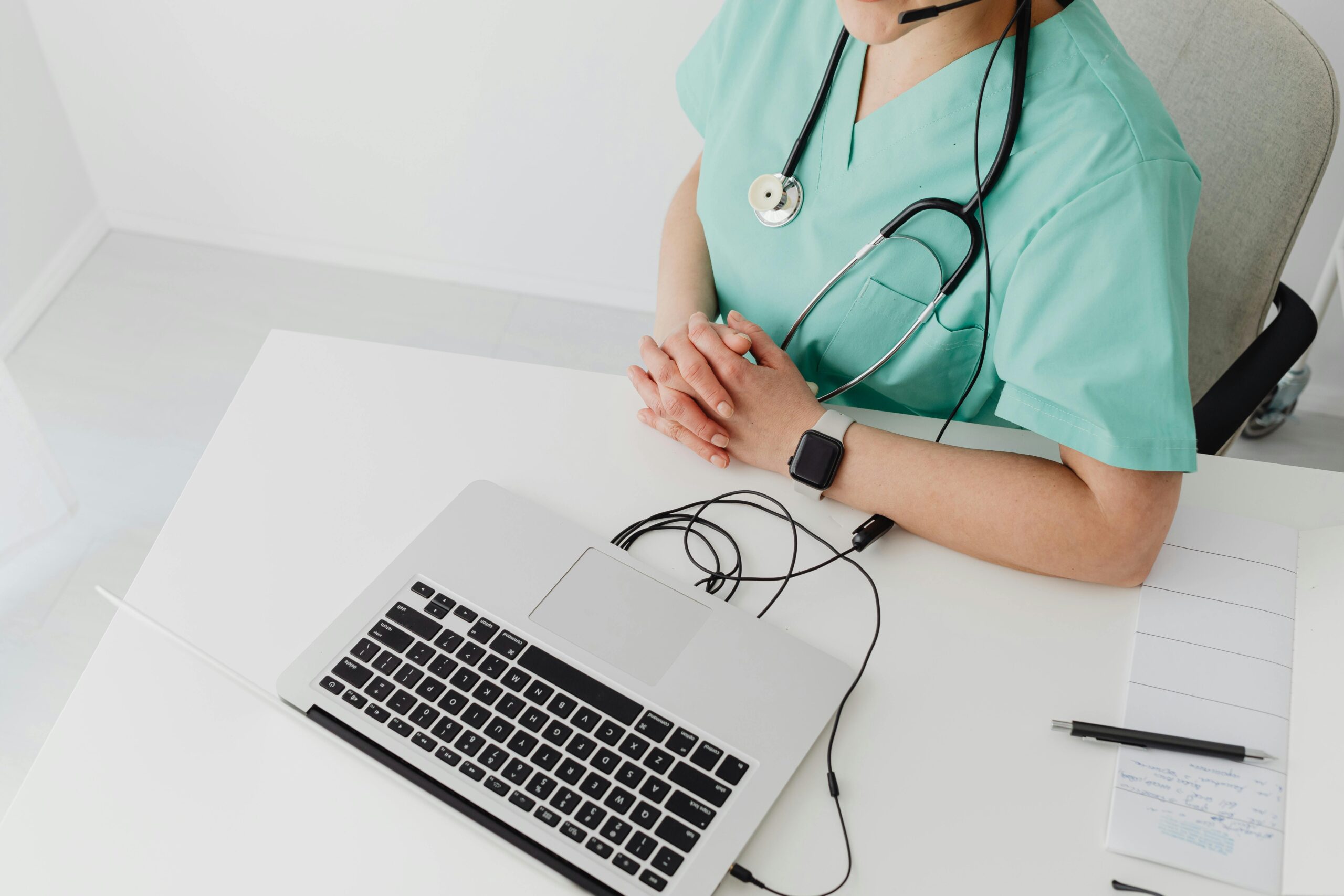 This isn’t just about modernizing for the sake of looking cool. It’s a massive structural shift. Doctors are finally realizing that the old way of doing things—relying on physical presence for every single minor check-up—doesn’t work in a world where we expect everything else to be instant. The transition to digital is less about tech and more about survival. It’s about keeping the doors open while trying to actually provide better care.
The Death of the Waiting Room
We’ve all been there. You have an appointment at 2:00 PM. You arrive at 1:50 PM. You finally see the doctor at 3:15 PM. Why? Because the old system is built on a house of cards. One patient runs late, one file goes missing, and the whole day collapses. Moving to digital systems allows clinics to manage their flow with much more precision.
When a practice goes digital, the waiting room starts to disappear. Not the physical room, maybe, but the “waiting” part. Automated check-ins and digital triage mean the doctor knows exactly why you’re there before you even sit down. It removes the friction. It makes the experience feel less like a chore and more like a service.
- Digital scheduling reduces double-booking errors.
- Automated reminders keep the no-show rates low.
- Pre-visit forms allow patients to update their history at home.
The efficiency isn’t just for the patient; it’s a relief for the staff. The less time they spend hunting for a lost folder, the more time they spend actually talking to people. It’s a weird irony: the more technology we put between the doctor and the patient, the more “human” the interaction can actually become because the administrative noise is finally quiet.
Following the Money: The Back-End Revolution
Behind every stethoscope is a business. People often forget that. A private practice has to pay rent, electricity, and salaries. One of the biggest hurdles in this digital migration isn’t actually the software for the medical records; it’s the way money moves through the system. Handling payments in a world of high-deductible plans and complex insurance claims is a nightmare.
Traditional banking doesn’t always play nice with the medical world. The risks are different. The regulations are tighter. This is why many practices are now looking for specialized financial infrastructure that understands the nuances of remote consultations and virtual billing. Without a robust system to process payments securely and instantly, a clinic cannot offer the flexibility that patients now demand. A practice trying to run a modern virtual clinic on an outdated payment processor is like trying to run a marathon in hiking boots. They need a setup that handles the specific high-volume, high-security needs of medical billing without the constant fear of frozen funds or processing delays. Finding the right healthcare merchant account solutions has become just as critical as picking the right diagnostic equipment. It is the invisible engine that allows the doctor to keep their focus on the patient instead of the bank statement.
The Virtual Stethoscope
Telemedicine was a “nice to have” feature five years ago. Now, it’s the frontline. It’s changed the way we think about “seeing” a doctor. For a lot of chronic issues or simple follow-ups, being in the room isn’t necessary. It’s actually a burden. If you have a mobility issue or live in a rural area, a digital visit is a lifeline.
But it’s more than just a video call. We are seeing a rise in remote monitoring. We’re talking about watches that track heart rhythms and scales that send data directly to a cardiologist. The doctor isn’t just seeing you once every six months; they are seeing a continuous stream of your health data. This shifts medicine from being reactive—waiting for you to get sick—to being proactive. They can see the spike in your blood pressure before you feel the headache.
Breaking Down the Data Silos
Communication in healthcare used to be terrible. If you saw a specialist, they had to fax your results to your primary doctor. Sometimes the fax didn’t go through. Sometimes it sat on a desk for a week. It was a fragmented mess.
The digital push is finally knitting these pieces together. Electronic Health Records (EHR) mean that your data follows you. If you end up in an ER across the country, those doctors can see your allergies and your history instantly. It saves lives. It prevents medication errors. It makes the entire healthcare web feel like one cohesive unit instead of a bunch of isolated islands.
- Instant access to lab results for all providers.
- Reduction in redundant testing.
- Better coordination between pharmacies and clinics.
 Privacy vs. Convenience: The Great Trade-Off
There is always a catch. With all this data flying around the cloud, privacy becomes a massive talking point. We are traded convenience for a different kind of risk. Cybersecurity is now a medical priority. A clinic isn’t just protecting your physical body; they are protecting your digital identity.
Patients are becoming more protective of their data, and rightfully so. However, the benefits usually outweigh the fears. Most people are willing to accept the digital shift if it means they don’t have to explain their medical history to five different people in one day. The trust is shifting from the physical lock on a filing cabinet to the encryption on a server.
Why This Matters for Your Future Care
What does this mean for you next time you feel a scratchy throat? It means options. It means you might not have to take a half-day off work to sit in a plastic chair for forty minutes. It means your doctor has more information at their fingertips than ever before.
The “digital doctor” isn’t a robot. It’s a person who has finally been given the tools to do their job without being buried in paperwork. The human element is still there; it’s just being supported by a much smarter framework. We are moving toward a version of healthcare that feels integrated into our lives rather than an interruption to it. It’s a transition that was long overdue. It’s messy, it’s complicated, but it’s making the system more resilient.
Doctors are finally catching up to the rest of the world. They are realizing that digital isn’t a replacement for care; it’s the delivery vehicle. The stethoscope isn’t going away, but it’s definitely getting an upgrade. This shift ensures that the local clinic stays relevant in a world that doesn’t want to wait. It’s about being present, even when you aren’t in the room. That is the real heart of the digital transformation.