


How Attitudes About Fitness Are Changing for the Better
By Meg Stickl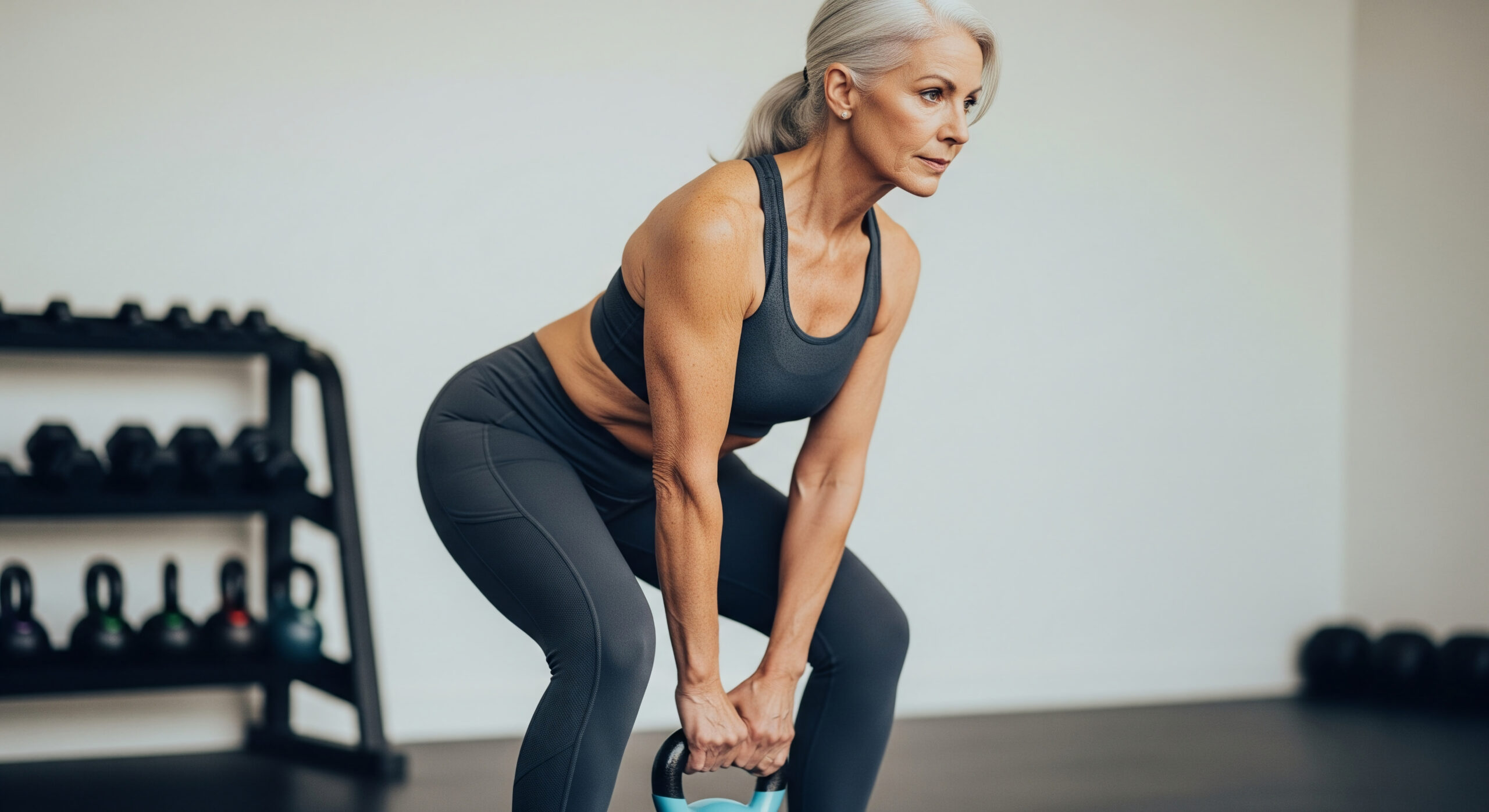
When I started my business back in 2013, I remember having a lot of conversations that started with “I’ve never really exercised before.”
At the time, I was talking to adults in their ’70s, ’80s and ’90s, many of whom had lived very active lives—just not in the traditional “fitness” sense. They raised families, walked everywhere, worked physically demanding jobs and kept their homes running. Movement was part of daily life, but formal workouts, weightlifting or yoga were unfamiliar and sometimes even intimidating.
Back then, I often felt like I had to convince people that exercising regularly, beyond their day-to-day routines, could actually make a real difference in how they aged. There was a lot of hesitation around starting something new, especially when it came to strength training or group fitness classes.
Fast forward to now—and wow, what a shift!
Over the past 10–15 years, attitudes toward fitness, especially among older adults, have changed dramatically. More and more people are recognizing that exercise isn’t just about looking good, it’s about living well. It’s about aging with strength, independence and confidence.
Just this week I chatted with a lovely woman who told me, “Meg, motivation is not a problem for me. I cycle, swim, walk and do yoga. What I need help with now is to learn about which exercises will strengthen my bones and prevent osteoporosis.”
Fitness has become more functional and more relatable.
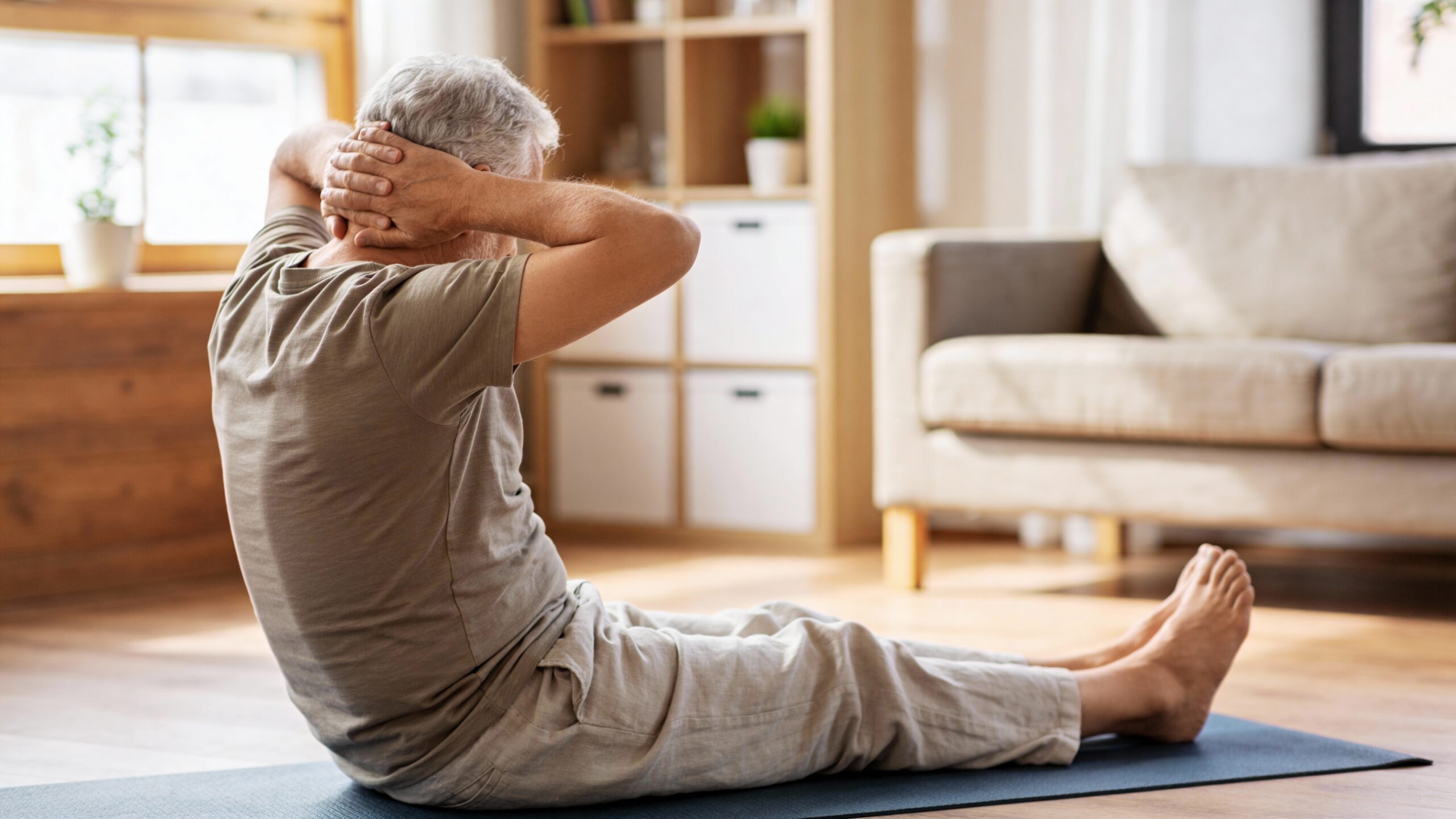 One of the best changes I’ve seen in the fitness industry is the move toward functional fitness. Instead of focusing only on high-intensity workouts or complicated routines, we now emphasize movements that help you live better:
- Getting up and down from the floor
- Climbing stairs with confidence
- Carrying groceries or lifting grandchildren
- Preventing falls and staying steady on your feet
And this shift has helped fitness feel more accessible. You don’t need to be an athlete or a gym rat. You just need to start where you are — and build from there.
The science is clear: exercise helps you age better.
We now have decades of research showing how regular physical activity supports healthy aging. A major report from the World Health Organization found that adults over 65 who engage in regular physical activity have a 30 per cent lower risk of falls, a 40 per cent lower risk of heart disease, and improved brain function and mood.
And it’s never too late to start. A study published in the British Journal of Sports Medicine found that people who became active later in life still gained nearly the same health benefits as those who were active all along, including better mobility and a lower risk of chronic disease.
I worked with a 100-year-old man who was brand new to exercising. It didn’t take him long to become committed to doing his balance exercises every day. We were both pleased to see how his balance did indeed improve week after week. You can imagine how happy his kids were, knowing that their father—who lived alone in a two-storey home, could go up and down the stairs more easily.
Why Strength and Movement Matter More Than Ever
Muscle loss naturally occurs with age, but it’s not inevitable. The more we move—and the more we challenge our bodies with resistance exercises, stretching, and balance work—
the more we maintain our independence and reduce our risk of injury or illness.
A New Generation of Active Agers
These days, I talk to more and more people who are looking for guidance to get into a safe exercise routine. They know the importance of exercise and are motivated, but they need personalized support to know what to do. Their motivation includes staying in their own homes, keeping up with their grandkids without tiring out, and continuing to travel with loved ones.
It’s inspiring to watch this shift and to be part of a generation that’s redefining what active aging looks like.
If you’re just starting out or getting back into a routine, remember this: You don’t have to go big. You just have to begin. Your future self will thank you.
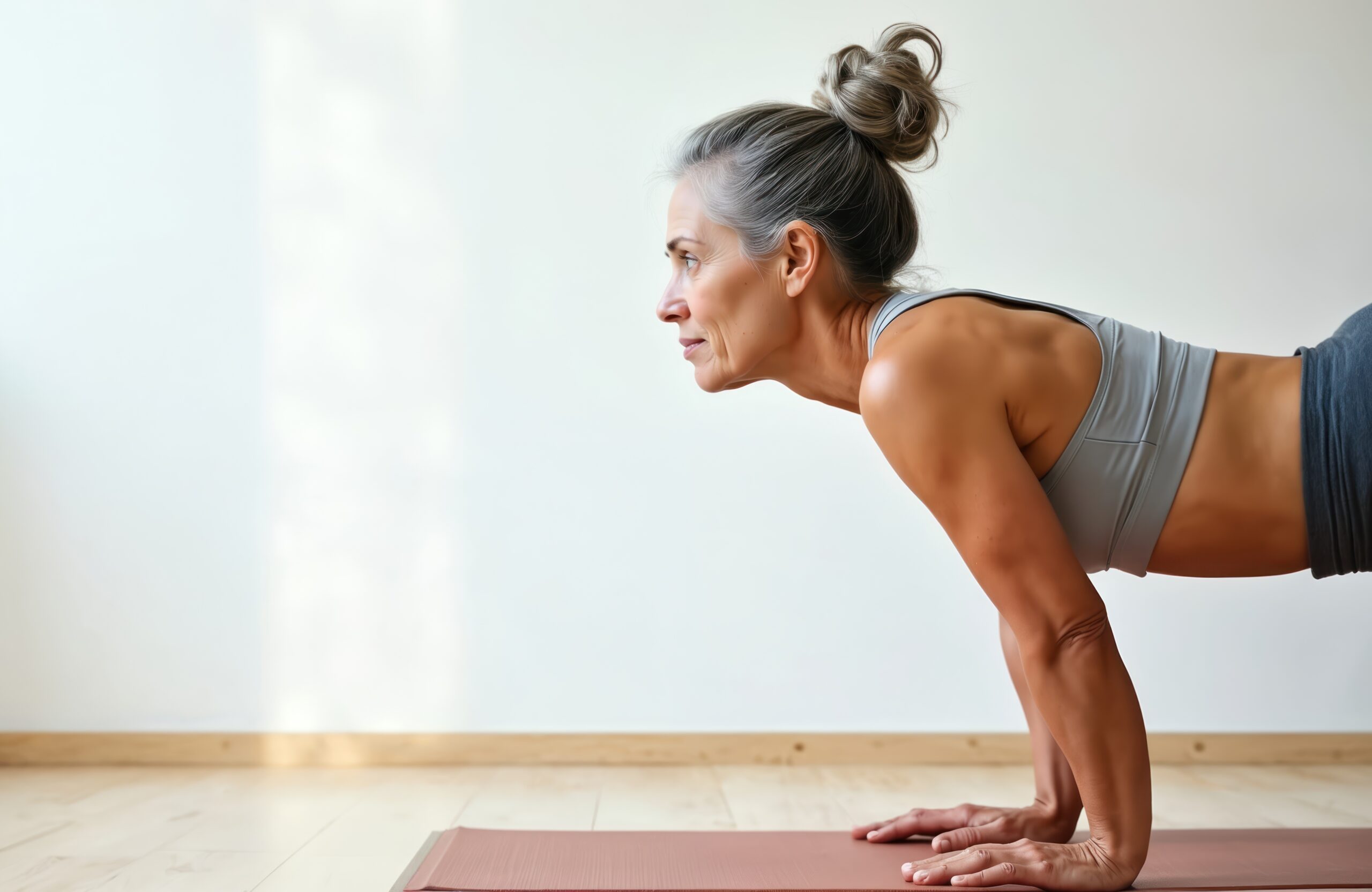
Meg Stickl is the founder and CEO of AIM Fitness, a business dedicated to helping adults 50+ stay strong, confident and active through gentle, effective exercise. www.activitiesinmotion.ca