


The Fascinating Science of Red-Light Therapy and Healthy Ageing
By Aliki Chatzilias, MSc
Clinical Biochemist, Medical Researcher and Founder, SkinImpact LED™
Glowing red masks are everywhere. Some look as though they escaped from a science-fiction film; others carry price tags that invite healthy skepticism.
But what if there’s more beneath the glow than clever marketing?
As a clinical biochemist, what fascinates me isn’t the mask. It’s what carefully selected light may do inside living skin cells.
And here’s the encouraging thought: getting older changes our skin, but doesn’t switch off its ability to respond.
Your Skin’s Builders Haven’t Retired
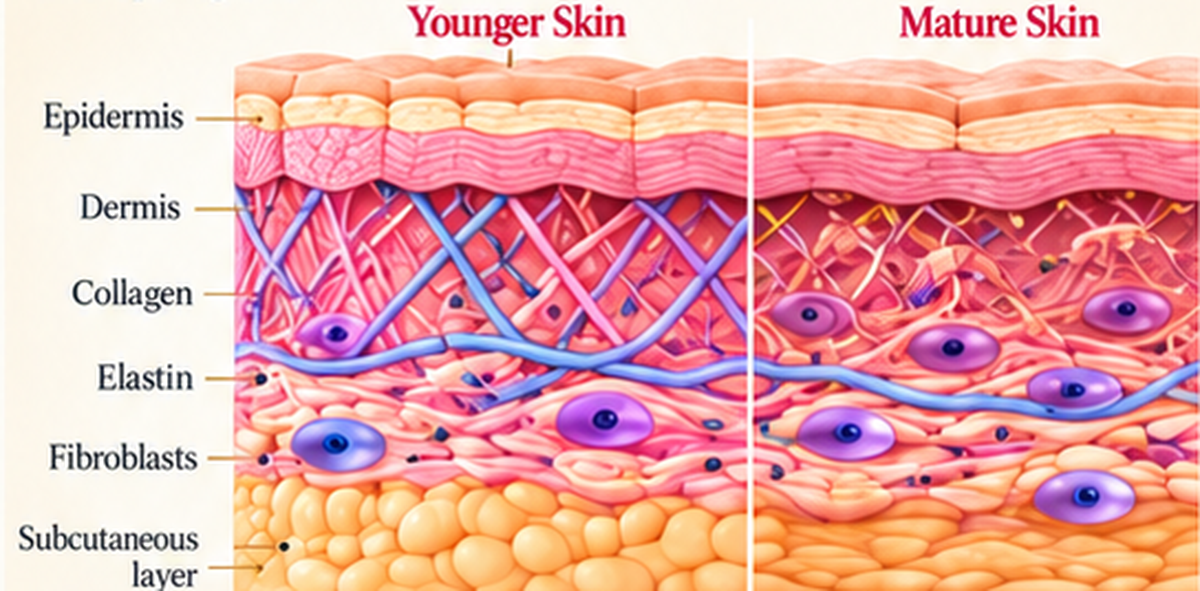
Deep in the skin, specialized cells called fibroblasts help produce collagen and elastin. Collagen gives skin strength and support; elastin helps it stretch and spring back.
Over time, collagen production slows and existing fibres deteriorate, changing our skin’s firmness and texture.
Menopause can accelerate this process. According to the American Academy of Dermatology, women’s skin loses an estimated 30% of its collagen during the first five years of menopause.
No wonder our familiar skincare routines can suddenly seem less effective! Yet fibroblasts don’t retire at 60. They remain biologically active—which is why scientists are exploring ways to influence their function.

Potatoes in Space? Really.
In the 1990s, NASA-supported scientists developed LED lighting to help grow plants—including potatoes—in space. Their work helped renew interest in how particular wavelengths of light affect living tissue.
Today, that field includes photobiomodulation: the use of light to influence biological activity.
Inside our cells, mitochondria help produce ATP, the energy cells use for their many functions. Certain wavelengths of red and near-infrared light may influence mitochondrial activity and signals associated with tissue maintenance.
Laboratory studies have measured changes in collagen-building proteins and enzymes involved in breaking collagen down. Think of it as researchers exploring how to help the cellular maintenance team work more effectively.
Not a magic wand. Biology responding to carefully delivered light.
When Science Becomes Innovation
My own journey with SkinImpact LED began with studying the science—not designing a beauty gadget. I reviewed multiple laboratory and human studies to understand which light parameters showed promise and used that accumulated knowledge to guide the development of SkinImpact LED.
When a new clinical study appeared in 2023, I was delighted to discover that its reported red-light wavelength and power density matched parameters I had selected for SkinImpact.
The study used a different device, but its findings added an encouraging piece to the growing body of research.
What Did Researchers Actually Measure?
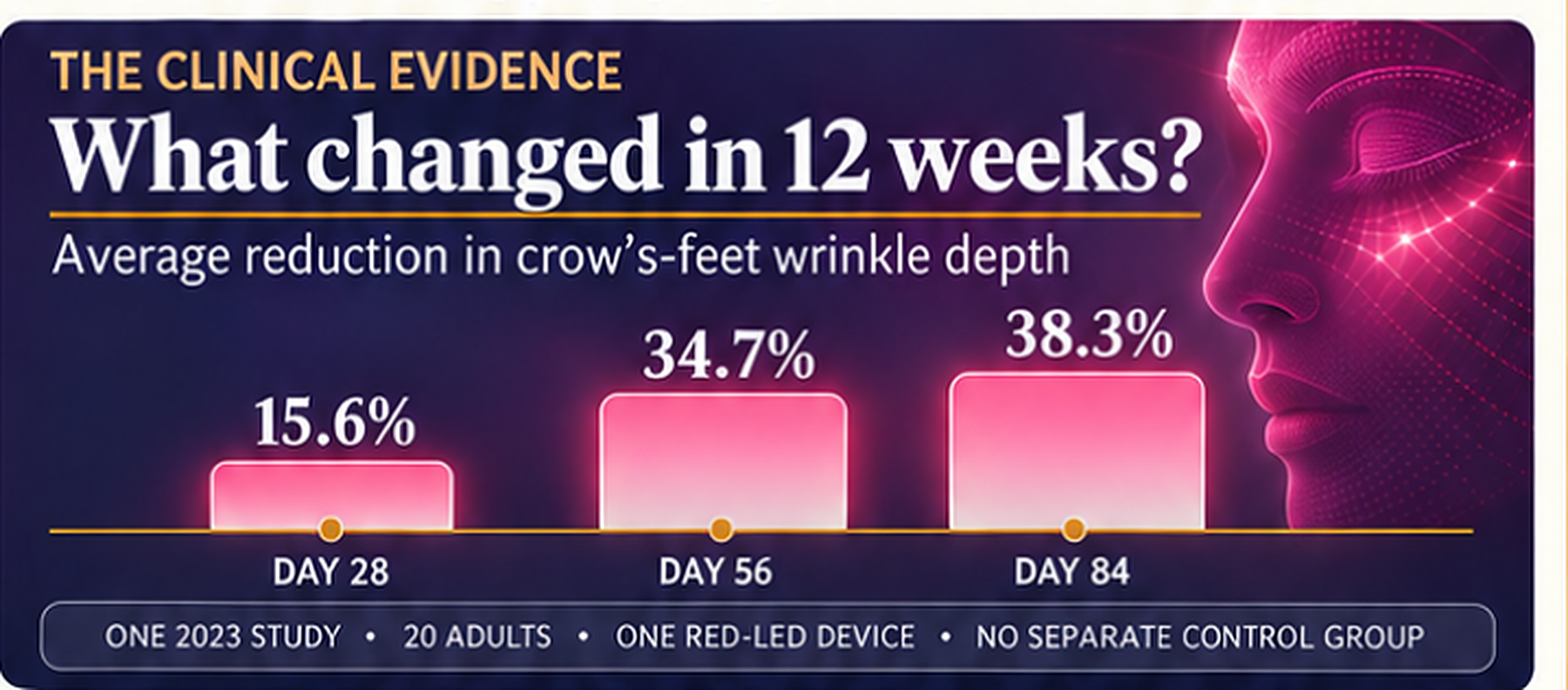
In that 2023 study, 20 women used a red LED facial mask for just 12 minutes, twice weekly, over three months. Researchers measured wrinkles, firmness, elasticity, skin texture and other features—not simply how participants felt about their reflections.
The average depth of crow’s-feet wrinkles decreased, compared with the beginning of the study, by 15.6% at day 28, 34.7% at day 56, and 38.3% at day 84.
Other measurements, including skin firmness and dermal density, also improved progressively. An earlier randomized, controlled clinical study reported improvements in wrinkles and skin elasticity following specific LED treatments.
Context matters. The 2023 study was small, had no separate untreated comparison group and tested one particular device. The percentages describe measured changes in that study—not results guaranteed for every mask or every woman. Nevertheless, they give us a legitimate scientific reason for optimism.
What Might You Notice in the Mirror?
With appropriate light parameters and consistent use, some women may gradually notice softer fine lines, smoother texture or greater firmness. Others may see subtler changes. Individual skin characteristics, device output and treatment schedules all affect results.
And there’s no Saturday-night miracle here—unless Saturday happens to be a couple of months away!
Think in months, not days.
Photographs taken under similar lighting every few weeks may help you recognize gradual progress that is difficult to notice in the mirror.
Three Smart Questions Before You Buy
1. Does the science match the device?
Look for transparent information about wavelengths, light output and recommended treatment time.
2. Can you verify its credentials?
Look for relevant clinical evidence and regulatory credentials, including FDA clearance or Health Canada authorization where applicable.
3. Will you actually enjoy using it?
Consider comfort, treatment duration and coverage —including your neck and décolleté if those areas matter to you.
Use safely and smartly
Follow the manufacturer’s eye-protection guidance. If you take photosensitizing medication or have a light-sensitive condition, seek medical advice first.
More light is not automatically better. With photobiomodulation, the dose matters. LED therapy should complement, not replace, everyday skincare and sun protection.
The Real Secret
We cannot stop time, and we don’t need to chase our younger selves.
But we can support the skin we have today with scientific knowledge, realistic expectations and consistent care.
Ageing is inevitable. Giving up on your skin is not.
Good science should never intimidate us. It should simply help us glow a little brighter.
 About the author
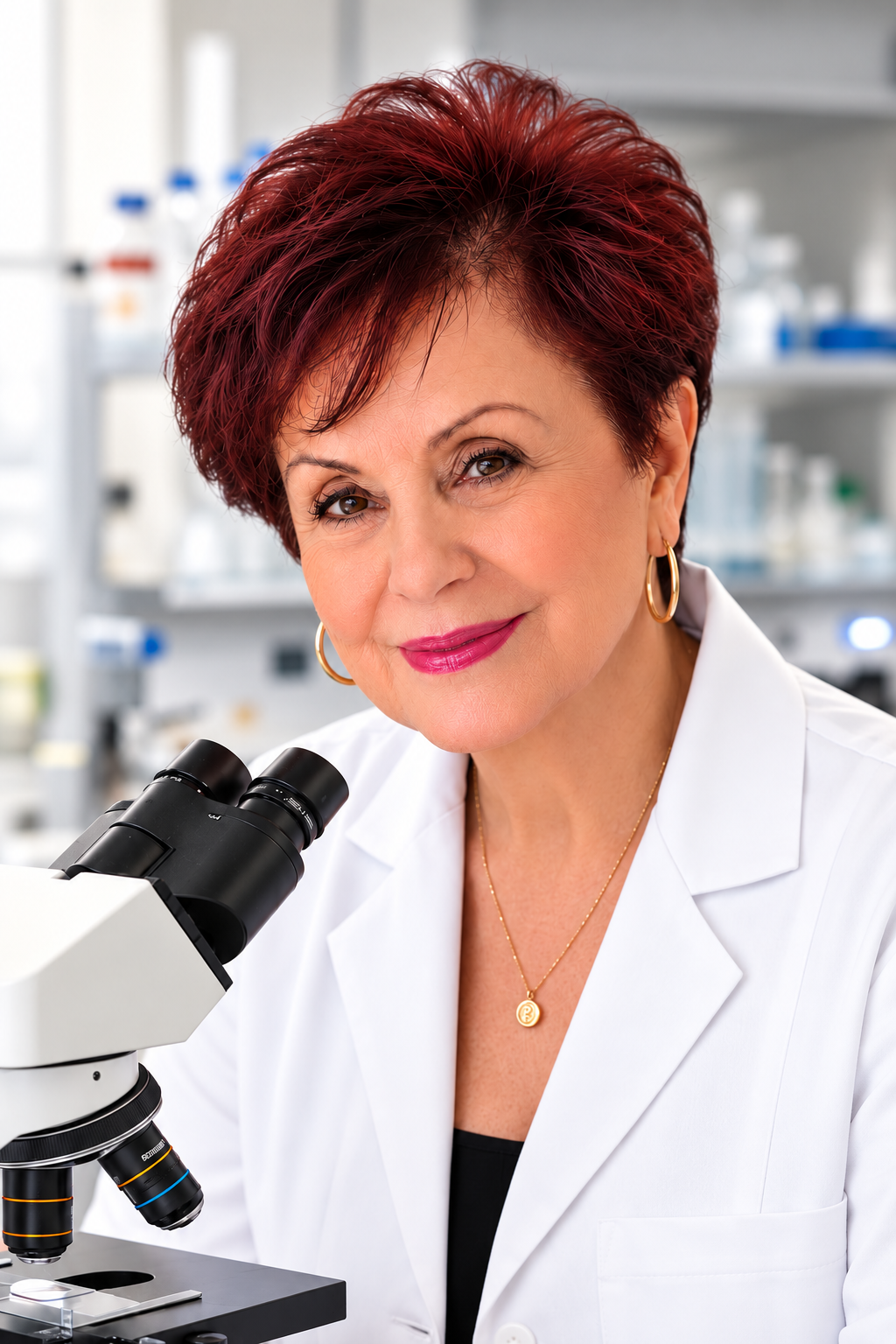
Aliki Chatzilias, MSc is a clinical biochemist, published medical researcher, and founder of SkinImpact LED™. Drawing on decades of experience in medical research and product innovation, she explores the science of skin health, healthy ageing, and emerging beauty technologies—with a particular interest in separating scientific evidence from marketing hype.
Selected references
- American Academy of Dermatology, Caring for Your Skin in Menopause.
- Couturaud et al., Skin Research and Technology (2023).
- Lee et al., Journal of Photochemistry and Photobiology B (2007).
- Barolet et al., Journal of Investigative Dermatology (2009).
- NASA Spinoff (2022).
Exclusive Fifty-Five Plus offer
The complete face, neck & decollete LED system + 3 full-size serums and 2 creams
C$843 regular value | C$279 today
GET THE COMPLETE SYSTEM – C$279
Giveaway
3 SkinImpact LED systems to win
ENTER TO WIN 1 OF 3 COMPLETE SYSTEMS