


By Rose Simpson
From an early age, I was a sun worshipper and spent hours baking and frying like a pale chicken in an air fryer. My aunt even suggested that I slather myself in baby oil and hold up a makeshift aluminum foil wrapped cardboard contraption to bounce the sun rays back onto my fair Scottish face.
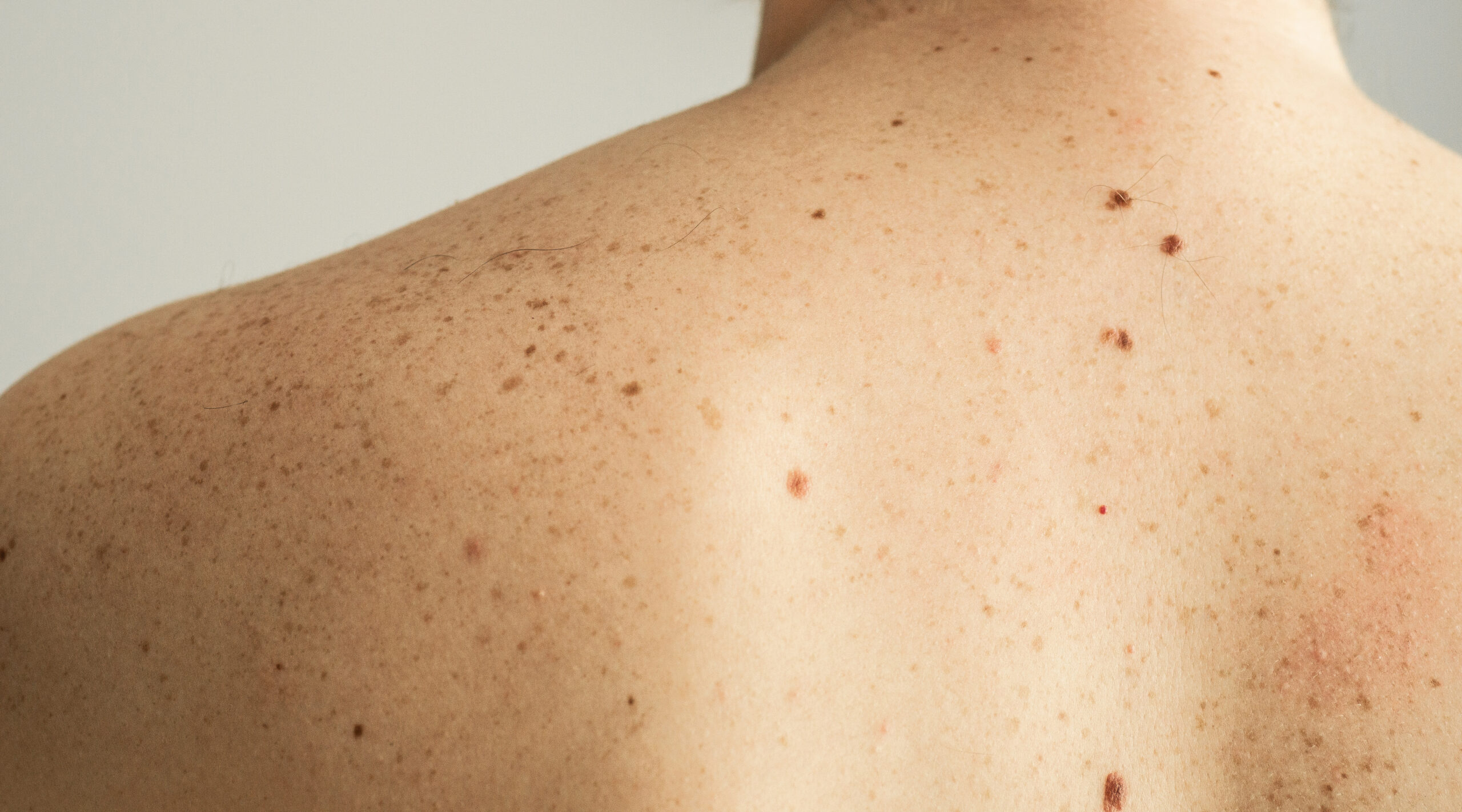 I didn’t stop there in my quest to maximize my UV exposure. I went from sunbathing at the local pool to the tennis court where I would often spend four hours a day. The weekends were for golf. The ride to the golf course was provided by my Sebring convertible with its top up even on frigid days to allow my hair to dance freely in the wind.
Like so many weary Canadians who had to endure months cooped up inside, I couldn’t wait to tailgate with my friends at ball games or seek solace on a cottage deck listening to rock and roll tunes with a case of beer in a nearby cooler.
That was then. Today, I wear hats, lather up with sunscreen instead of baby oil, and keep out of the sun as much as possible.
That’s because, as Shakespeare once wrote, “What’s past is prologue.”
I write this as a skin cancer survivor, one of the lucky ones who didn’t have the dreaded melanoma but had a nasty bout of basal carcinoma which required surgery.
My skin cancer journey began like most.
One day, I noticed a ragged spot on my ear that was itchy and coated in psoriasis-like plaque. It would bleed on occasion and the top of my ear seemed to be eaten away as if mice visited me in my slumber. I went to see my family doctor—my terrible family doctor—who declared I had a bed sore and told me not to sleep on that ear. Each year, I would go back and he did nothing. There was no referral; he just told me to oil it up.
Four years went by and I finally saw a clinic doctor who jumped back when I showed her my ear. She immediately referred me to a dermatologist and four long months later, I was diagnosed with basal cell carcinoma. A year later, I had the crusty patch surgically removed, and I now have an ear that looks like it belongs on a Vulcan.
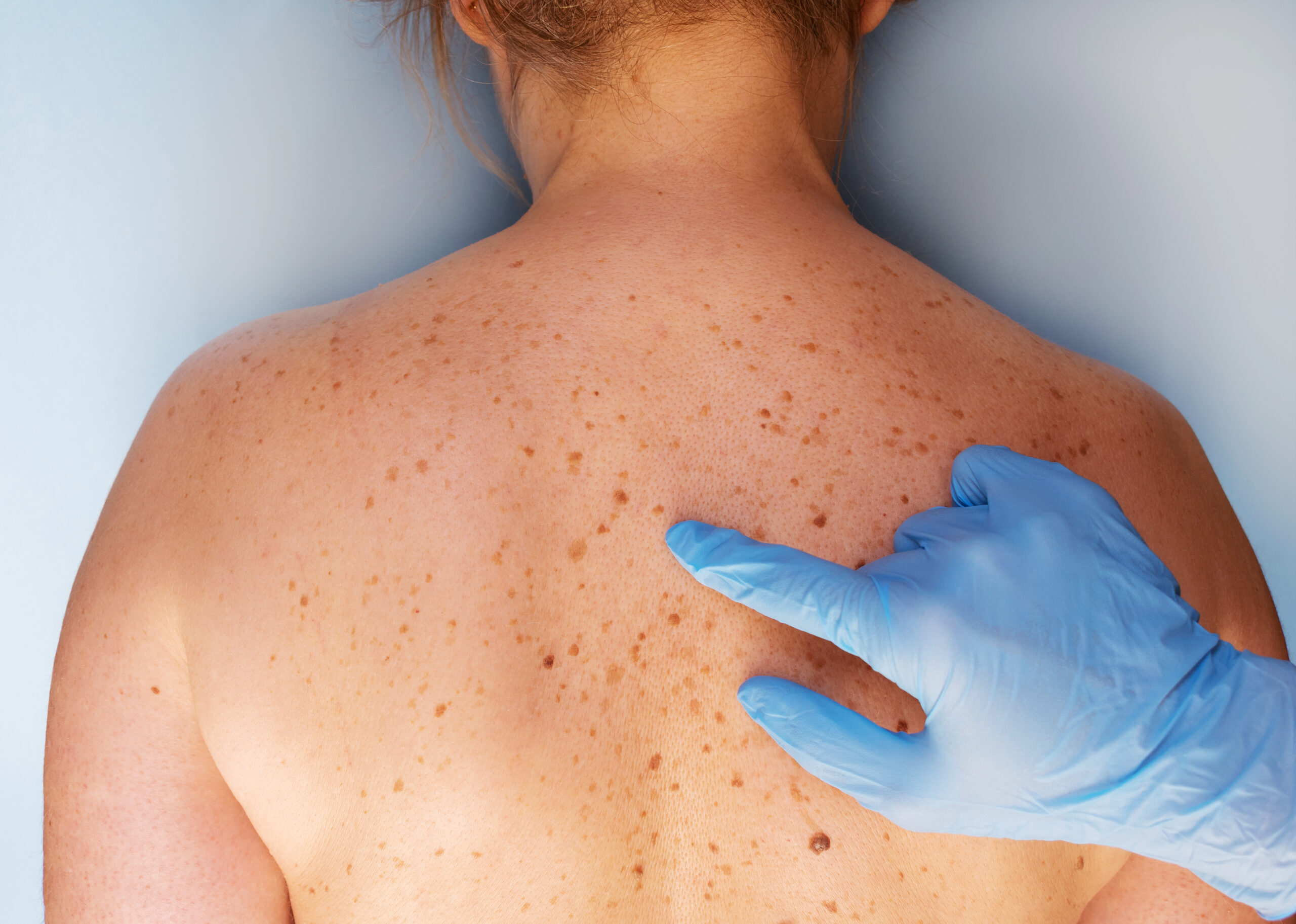 Even though I’ve had followup appointments since then with the dermatologist, I haven’t had a full body check. Now that I think about it, I don’t remember her ever looking at my ear since the surgery.
Like most cancer survivors, I expect it to come back, and I fear I will never know until it’s too late.
I believe I am not alone in my fear and misery.
According to the Canadian Dermatology Association, the most deadly form of skin cancer, melanoma, will affect more than 8,000 Canadians in a year. And many more Canadians will have basal cell carcinoma (my skin cancer) and will need treatment to avoid pain, bleeding and eventual disfigurement.
Mole Mapping to the Rescue
The good news is there is now hope for patients who are worried about moles, lesions and other terrifying skin conditions. It’s called mole mapping and it uses a combination of high resolution photography and artificial intelligence to capture every skin condition on a person’s body in a matter of minutes.
Mole mapping requires a 45-minute visit with a dermatologist who examines the patient from head to toe then uses the latest AI-powered technology to provide a complete photographic record of their skin. It’s fast, non-invasive, and designed to catch early signs of skin cancer before they become serious—even in the most intimate regions. (Yes, you can get skin cancer on your genitals!)
Mole-mapping is a complete game changer for people worried about skin cancer. It is now offered in Ottawa through Factor Dermatology, a private clinic run by board-certified dermatologists. The team is led by Dr. Sophia Colantonio, a dual board-certified dermatologist who established the clinic two years ago with her colleagues, Dr. Genevieve Gavigan, Dr. Gabrielle Veillet-Lemay and Dr. Katherine McDonald.
At each session, the patient will sit for a series of photographs that are examined by a dermatologist, and they will be interviewed about any concerning moles and spots. After examining the photos, the doctor will biopsy any cancerous spots and refer the patient for further treatment to cancer doctors and plastic surgeons. The cost of the session is $800 although further cancer and plastic surgery treatment is covered by OHIP.
Mole-mapping is also available at the Ottawa Hospital but is not covered by OHIP there, either. The mole-mapping clinic at the hospital only operates a half day a week, so it can take up to two years to be seen and then only after a referral by a dermatologist, which adds to the wait time.
For patients, especially those with more than 50 moles or those who have had previous bouts with skin cancer, mole-mapping can literally save their lives.
“I’ve picked up some melanoma and other skin cancers people can’t see,” says Dr. Colantonio. “I had one patient who was unaware of a big melanoma on his back. Now he will have a surgery but if he’d waited he might have had more surgeries and chemotherapy.”
The best news is that patients at Factor Dermatology can see a dermatologist within two weeks rather than wait for months, and there is a permanent record of their skin condition. Dr. Colantonio recommends that patients have mole-mapping done every year so that the doctors can track any changes to their skin.
“If someone is concerned about their skin, they should have it looked at,” she says. “What we do is very thorough. We look everywhere, it’s not rushed, and we believe in the first rule of medicine: Always listen to the patient.”
Factor Dermatology is open five days a week, and Dr. Colantonio is hoping to expand the service hours to meet the needs of new patients. The clinic is located at 770 Broadview Avenue, Suite 206 in Ottawa.