


By Caroline Andrews
There comes a moment for many homeowners when the conversation quietly begins.
It may start after carrying laundry down a steep staircase suddenly feels more difficult. Or when getting in and out of the bathtub becomes awkward. Sometimes it begins after a fall, a health scare or watching a friend struggle at home.
For others, it starts emotionally long before it starts physically.
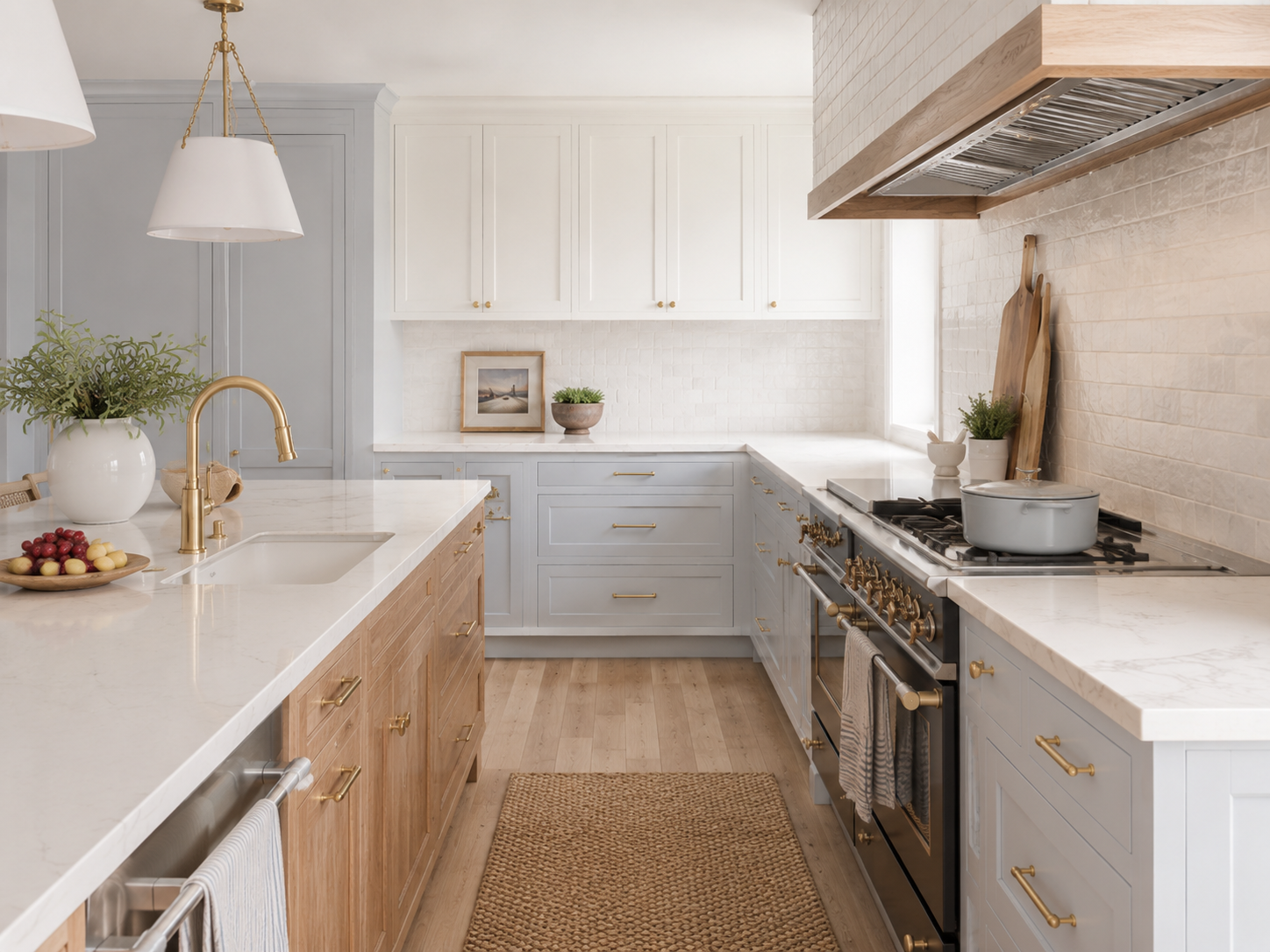
The thought of leaving a home filled with memories, traditions and familiarity can feel overwhelming. The garden you planted decades ago. The kitchen where holidays were celebrated. The neighbourhood where neighbours became lifelong friends. For many older adults, aging in place is not simply about staying put. It is about maintaining independence, comfort and connection to the life they have built.
Today, many older homeowners are choosing to remain in the homes they know and cherish longer. But staying safely and comfortably often requires thoughtful planning and smart renovations.
I recently sat down with the team at OakWood Renovations, one of Ottawa’s most experienced design and build firms, to discuss how homeowners can adapt their homes for long-term comfort, safety and independence. Their approach goes beyond simply adding accessibility features. It focuses on creating beautiful, functional spaces that evolve with homeowners as their needs change over time.
Today’s aging-in-place renovations are beautiful, functional and seamlessly integrated into the home. In many cases, small changes made early can prevent larger challenges later.
 The Emotional Side of Aging in Place
One of the biggest misconceptions about aging in place is that it is only about physical limitations. In reality, it is often a deeply emotional decision.
Many older homeowners feel a strong attachment to their surroundings. Familiar spaces provide comfort, confidence and routine. Remaining in a beloved home can also help preserve social connections and overall well-being.
At the same time, there can be resistance to making changes.
Some homeowners worry renovations will make the home feel “medical” or signal aging in a way they are not emotionally ready to accept. Others simply do not know where to begin.
But aging-in-place renovations are increasingly being designed with dignity, style and long-term comfort in mind. One of the philosophies that stood out during my conversation with OakWood is that a home designed for aging in place should never feel institutional. This team works to incorporate safety, accessibility, comfort and beautiful design in ways that feel natural and elegant.
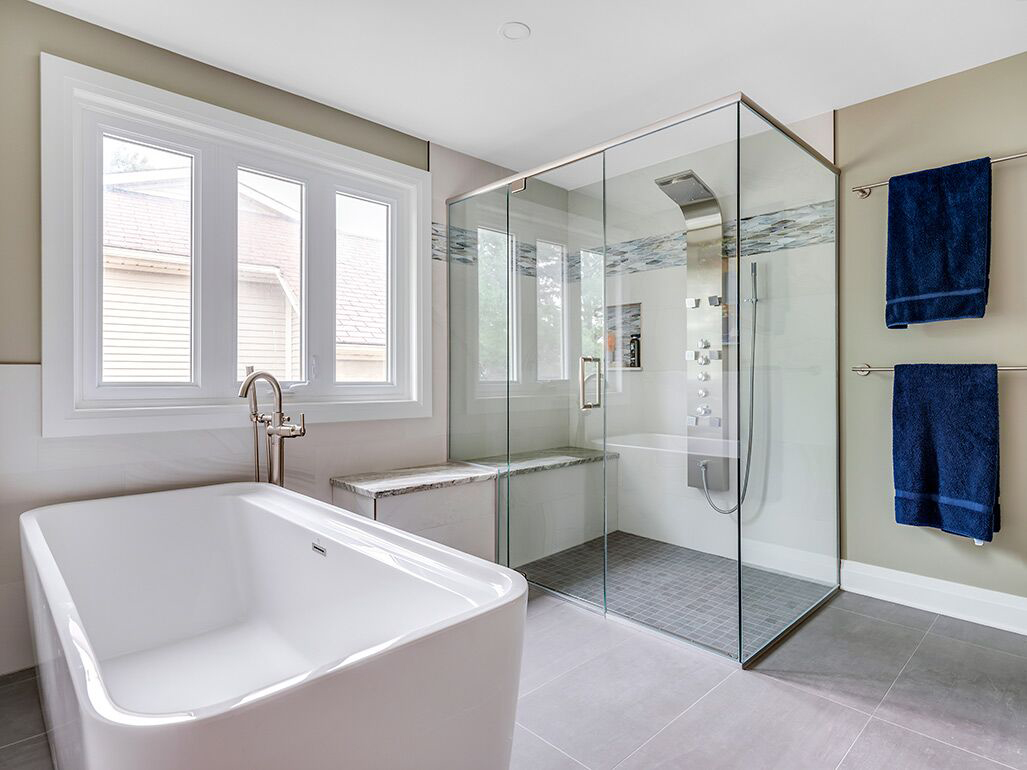
A beautifully renovated bathroom with a curbless shower does not look like an accessibility feature. It looks luxurious. Wider doorways can create a more open and elegant feel. Better lighting improves both safety and ambiance. Smart-home technology can simplify everyday living while remaining almost invisible.
In fact, many features commonly associated with aging in place are now found in high-end custom homes. Improved lighting, wider doorways, lever-style hardware and thoughtfully designed storage solutions are valued for their convenience and design appeal as much as their accessibility benefits.
The best renovations are often the ones that quietly support daily life without drawing attention to themselves.
Where to Start
Bathrooms are often one of the first areas homeowners choose to modify. Traditional bathtubs can become difficult and dangerous to step over. Curbless showers, non-slip flooring, grab bars integrated into the design, handheld showerheads and comfort-height toilets can dramatically improve both safety and convenience.
According to OakWood, bathroom renovations often deliver the greatest immediate impact because they improve one of the most frequently used spaces in the home while enhancing both comfort and confidence in everyday living.
Staircases are another common challenge. Some homeowners install stair lifts, while others explore adding a main-floor primary bedroom or converting underused spaces into functional living areas. In some homes, thoughtful renovations can reduce the need to regularly use stairs altogether.
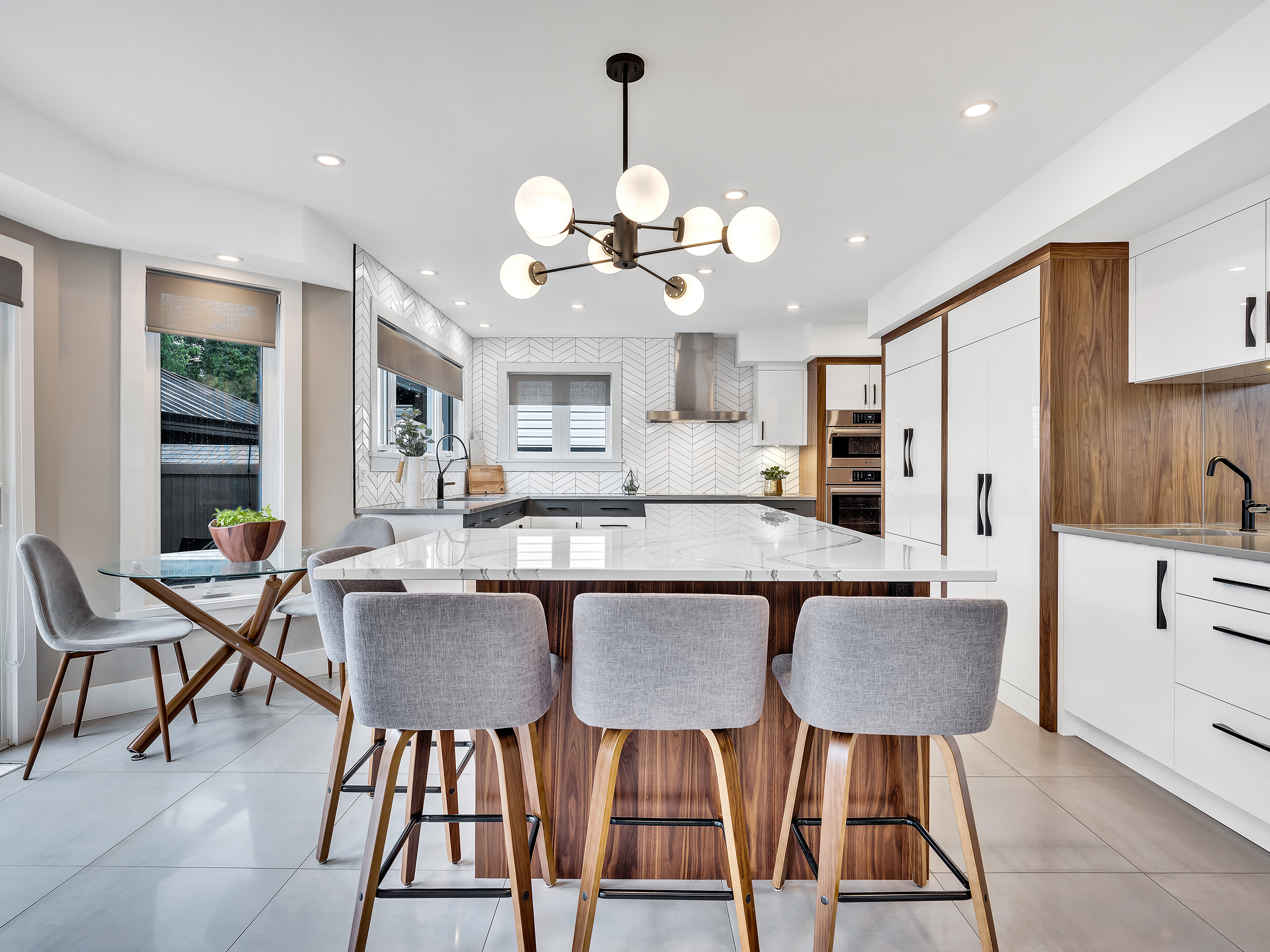
Lighting is another area that is frequently overlooked. As we age, our eyes require more light. Poorly lit hallways, staircases, entrances, and kitchens can increase both frustration and fall risks. Layered lighting, motion-sensor lighting, and brighter task lighting can make a remarkable difference while also making a home feel warmer and more welcoming.
The OakWood team emphasized that improved lighting can do double duty, enhancing architectural features while making spaces safer and easier to navigate.
Doorway widths and flooring transitions also deserve careful attention. Narrow doorways, raised thresholds, uneven flooring and tight hallways can become difficult to navigate over time, particularly for anyone using a walker or wheelchair. Many homeowners are now choosing wider openings, flush flooring transitions and layouts that allow for easier movement throughout the home.
Planning Before You Need It
One of the biggest mistakes homeowners make is waiting too long.
Renovating during a health crisis or after mobility suddenly changes can create unnecessary stress and rushed decisions. Planning ahead allows homeowners to make thoughtful improvements gradually while fully enjoying the benefits of those changes.
OakWood shared that successful aging-in-place renovations begin with understanding how a homeowner lives today and anticipating how those needs may change over time. The team often starts by evaluating the spaces used most frequently each day and identifying opportunities to improve convenience, safety and accessibility without compromising the home’s character.
Many aging-in-place renovations can also add long-term appeal and functionality to a home. Buyers increasingly value homes that are adaptable and designed for long-term living. For homeowners who love where they live, thoughtful renovations can often be a practical alternative to moving, allowing them to remain in familiar surroundings while improving comfort and convenience.
Most importantly, these renovations can help homeowners maintain independence and quality of life for many years.
Final Thoughts
As OakWood emphasized during our discussion, the best aging-in-place renovations are often the ones that quietly improve everyday life without drawing attention to themselves. Thoughtful planning today can help homeowners remain comfortable, confident and independent for many years.
Aging in place is not about giving something up.
In many ways, it is about protecting the lifestyle, comfort and independence you value most.
With thoughtful planning and the right renovations, many homeowners can continue enjoying the homes they cherish for years to come, safely, comfortably and beautifully.

Caroline Andrews is a real
estate agent with Engel &
Völkers Ottawa, a seniors real
estate specialist (SRES®)
and an interior design
consultant.